Hey there! As a supplier of ozone equipment, I often get asked about the maintenance costs of ozone equipment. In this blog, I'll break down the different factors that contribute to these costs and give you a clear idea of what to expect.
1. Initial Purchase and Installation
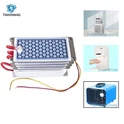
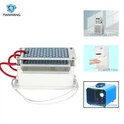
First things first, let's talk about the initial investment. The cost of ozone equipment can vary widely depending on its size, capacity, and features. For example, our 20g Portable Ozone Generator Air Sterilizer is a high - capacity option that's great for larger spaces. It comes with advanced features for efficient air sterilization. On the other hand, if you have a smaller area to cover, our 10g ozone generator Cleaner Ozonizer Odor Eliminator or 5g Ozone generator might be more suitable.
Installation costs also need to be considered. Some ozone generators are plug - and - play, which means you can just connect them to a power source and start using them right away. However, for larger industrial ozone systems, professional installation might be required. This could involve plumbing, electrical work, and proper ventilation setup.
2. Energy Consumption
One of the ongoing costs of running ozone equipment is energy consumption. Ozone generators work by using electricity to create ozone from oxygen in the air. The amount of energy they use depends on their power rating and how often they run.
Smaller ozone generators, like the 5g and 10g models, generally have lower power ratings and consume less electricity. They're great for home use or small offices where you don't need a large amount of ozone production. Larger industrial ozone generators, though, can be power - hungry. It's important to look at the energy efficiency of the equipment before making a purchase. Some modern ozone generators are designed to be more energy - efficient, which can save you money in the long run.
3. Replacement Parts
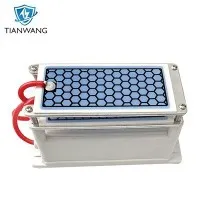
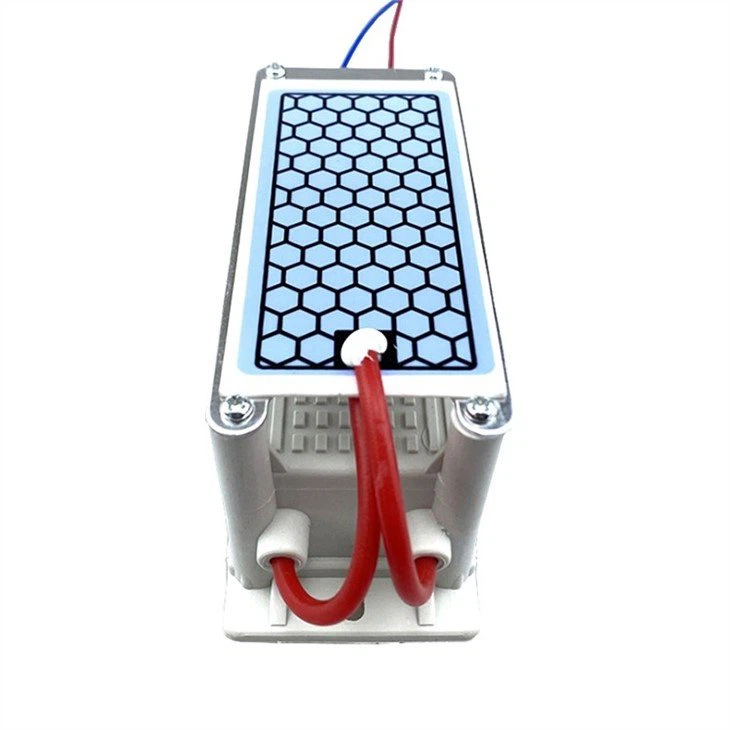
Over time, certain parts of the ozone equipment will need to be replaced. The most common parts that require replacement are the ozone generating cells. These cells are responsible for producing ozone, and their performance can degrade over time due to wear and tear.
The frequency of cell replacement depends on how often the equipment is used and the operating conditions. In a high - usage environment, you might need to replace the cells every few months. In a low - usage situation, they could last a year or more. Other parts that might need replacement include fans, filters, and power supplies.
4. Maintenance Labor
If you're not comfortable doing the maintenance work yourself, you'll need to hire a professional. Maintenance labor costs can vary depending on the complexity of the equipment and the location. For simple home - use ozone generators, you might be able to find a local handyman who can handle basic maintenance tasks like filter replacement.
For industrial ozone systems, you'll likely need to hire a specialized technician. These technicians are trained to work on complex ozone equipment and can diagnose and fix problems quickly. The cost of their services can be significant, but it's worth it to ensure the proper functioning of your equipment.
5. Testing and Calibration
Regular testing and calibration of the ozone equipment are essential to ensure its safety and effectiveness. Ozone levels need to be monitored to make sure they're within the safe limits. High levels of ozone can be harmful to human health, so it's crucial to keep them in check.

Testing equipment can be expensive, especially for more accurate and reliable models. Calibration also requires specialized knowledge and tools. You can either invest in your own testing and calibration equipment and train your staff to use it, or you can hire an external service provider to do the job.
6. Chemicals and Supplies
Some ozone equipment might require the use of chemicals and supplies for maintenance. For example, certain types of filters need to be cleaned or replaced with specific cleaning solutions. In some industrial applications, chemicals might be used to neutralize ozone or to enhance the ozone - generating process.
The cost of these chemicals and supplies can add up over time. It's important to factor in these costs when calculating the overall maintenance expenses of your ozone equipment.
How to Reduce Maintenance Costs
Now that we've covered the different factors that contribute to the maintenance costs of ozone equipment, let's talk about how you can reduce these costs.
- Choose the Right Equipment: Select an ozone generator that's appropriate for your needs. Don't over - buy a large, high - capacity unit if you only need a small amount of ozone production. This can save you money on both the initial purchase and the ongoing maintenance costs.
- Regular Maintenance: Perform regular maintenance tasks, such as cleaning filters and checking for loose connections. This can prevent major problems from occurring and extend the lifespan of your equipment.
- Energy - Efficient Models: Look for ozone generators that are designed to be energy - efficient. This can reduce your electricity bills over time.
- DIY Maintenance: If you're handy, learn how to do basic maintenance tasks yourself. This can save you money on labor costs.
Contact Us for More Information
If you're interested in purchasing ozone equipment or want to learn more about its maintenance costs, don't hesitate to reach out. We're here to help you make the right choice for your needs. Whether you're looking for a small home - use ozone generator or a large industrial ozone system, we have a wide range of products to choose from.
We can also provide you with detailed cost estimates and answer any questions you might have. Contact us today to start the conversation!
References
- "Ozone Generator Handbook" - A comprehensive guide on ozone generators and their maintenance.
- Industry reports on ozone equipment maintenance costs and best practices.