Hey there! As a home air purifier supplier, I get asked a lot about the side - effects of using these devices. Let's dive right in and explore this topic.
First off, it's important to understand how home air purifiers work. Most of them use filters to trap dust, pollen, pet dander, and other airborne particles. Some also use technologies like ionization, UV light, or ozone generation to clean the air.
1. Filter - based Air Purifiers
Filter - based air purifiers are the most common type. They're generally safe and have very few side - effects. The main thing you need to watch out for is the filter itself. Over time, the filter can get clogged with dirt and debris. When this happens, the air purifier has to work harder, which can lead to increased energy consumption.
If you don't replace the filter regularly, it can also become a breeding ground for mold and bacteria. This can actually make the air quality worse instead of better. So, make sure to follow the manufacturer's recommendations on filter replacement. Usually, it's every 3 - 6 months, depending on how often you use the air purifier and the air quality in your area.
Another minor issue with filter - based air purifiers is the noise. Some models can be quite loud, especially when they're running on high speed. This can be a problem if you're trying to sleep or concentrate. But there are plenty of quiet models available on the market, so you can choose one that suits your needs.
2. Ionizing Air Purifiers
Ionizing air purifiers work by releasing negatively charged ions into the air. These ions attach to positively charged particles like dust and pollen, causing them to fall out of the air.
One potential side - effect of ionizing air purifiers is the production of ozone. Ozone is a gas that can be harmful to your health in high concentrations. It can irritate your lungs, cause coughing and shortness of breath, and even damage your respiratory system over time.
However, most modern ionizing air purifiers are designed to produce very low levels of ozone, well below the safety limits set by regulatory agencies. But it's still a good idea to check the ozone output of the air purifier before you buy it.
3. Ozone - generating Air Purifiers
Ozone - generating air purifiers are a bit more controversial. They work by producing ozone to kill bacteria, viruses, and other microorganisms in the air. While ozone can be effective at purifying the air, it can also be dangerous.
In high concentrations, ozone can cause a range of health problems, including chest pain, coughing, shortness of breath, and throat irritation. It can also make existing respiratory conditions like asthma and chronic obstructive pulmonary disease (COPD) worse.
If you're considering using an ozone - generating air purifier, it's important to use it correctly. You should never use it in a room where people or pets are present. Instead, you should run it in an empty room for a short period of time, and then ventilate the room thoroughly before re - entering.


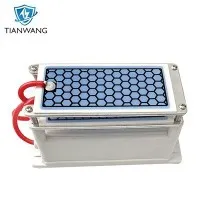
Here are some of our ozone - generating products:
- 5g Ozone generator
- 10g ozone generator Cleaner Ozonizer Odor Eliminator
- 20g Portable Ozone Generator Air Sterilizer
4. UV - light Air Purifiers
UV - light air purifiers use ultraviolet light to kill bacteria and viruses. They're generally considered safe, but there are a few things to keep in mind.
UV light can be harmful to your eyes and skin if you're exposed to it directly. So, make sure the air purifier is designed to prevent UV light from escaping. Most UV - light air purifiers have a protective shield or enclosure to keep the UV light inside.
Another thing to consider is that UV - light air purifiers may not be as effective at removing larger particles like dust and pollen. They're mainly designed to target microorganisms, so you may still need a filter - based air purifier to capture other types of pollutants.
5. Overall Considerations
In general, the side - effects of using a home air purifier are relatively minor. As long as you choose the right type of air purifier for your needs and use it correctly, you can enjoy cleaner air without any major health risks.
It's also important to remember that air purifiers are just one part of a comprehensive approach to improving indoor air quality. You should also make sure to keep your home clean, ventilate regularly, and avoid using products that release harmful chemicals.
If you're interested in purchasing a home air purifier, we're here to help. We offer a wide range of air purifiers, including filter - based, ionizing, ozone - generating, and UV - light models. Our team of experts can help you choose the right air purifier for your specific needs and budget.
Don't hesitate to reach out to us if you have any questions or if you're ready to start the purchasing process. We're looking forward to working with you to improve the air quality in your home.
References
- American Lung Association. (2023). Air Purifiers and Your Health.
- Environmental Protection Agency. (2023). Indoor Air Quality.
- World Health Organization. (2023). Guidelines for Indoor Air Quality.