As a supplier of 10g ozone generators, I often receive inquiries from various consumers, including those in photography studios, about the suitability of using our products in their specific settings. In this blog post, I'll delve into the question of whether a 10g ozone generator can be effectively and safely used in a photography studio, exploring the benefits, potential concerns, and practical considerations.
Understanding Ozone Generators
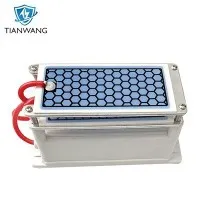
Before discussing its application in a photography studio, let's first understand what an ozone generator is and how it works. Ozone (O₃) is a highly reactive gas composed of three oxygen atoms. An ozone generator is a device that produces ozone by converting oxygen (O₂) molecules into ozone through various methods such as corona discharge or ultraviolet radiation.
There are different output capacities of ozone generators, such as the 5g Ozone generator, 10g ozone generator Cleaner Ozonizer Odor Eliminator, and 20g Portable Ozone Generator Air Sterilizer. The number represents the amount of ozone the generator can produce per hour. In this case, a 10g ozone generator can generate 10 grams of ozone per hour.
Benefits of Using a 10g Ozone Generator in a Photography Studio
Odor Elimination
Photography studios can accumulate various odors over time. The use of chemicals in photo processing (if darkroom facilities are available), the presence of props and backdrops, and the regular traffic of people can all contribute to unpleasant smells. A 10g ozone generator can be highly effective in eliminating these odors. Ozone is a powerful oxidizing agent that can break down odor - causing molecules, neutralizing them and leaving the air in the studio fresh.
Air Sterilization
In a photography studio, there is constant movement of people, equipment, and props. This movement can introduce bacteria, viruses, and other microorganisms into the air. Ozone has strong sterilizing properties. It can react with the cell walls of microorganisms, disrupting their structure and function, thus reducing the microbial load in the air. This is particularly important in a studio where clients may be sensitive to airborne germs, and maintaining a clean and healthy environment is crucial for both the well - being of the people in the studio and the quality of the work.
Mold Prevention
Photography studios often have a lot of equipment and materials that can be damaged by mold. High humidity levels, especially in some areas or during certain seasons, can create a conducive environment for mold growth. Ozone can inhibit the growth of mold by oxidizing the organic matter that mold feeds on. A 10g ozone generator can help maintain a mold - free environment in the studio, protecting valuable equipment such as cameras, lenses, and lighting fixtures.
Potential Concerns
Ozone Toxicity
While ozone can be beneficial in certain applications, it is also a toxic gas at high concentrations. Exposure to high levels of ozone can cause respiratory problems, eye irritation, and other health issues. In a photography studio, it is essential to ensure that the ozone concentration is within safe limits. A 10g ozone generator produces a relatively high amount of ozone, so proper ventilation and control of the operating time are crucial. It is recommended to use the ozone generator when the studio is unoccupied and allow sufficient time for the ozone to dissipate before people re - enter the space.
Damage to Materials
Ozone is a strong oxidizing agent, and it can potentially damage certain materials. In a photography studio, there may be items such as rubber gaskets, some types of plastics, and certain fabrics that are sensitive to ozone. Prolonged exposure to high ozone levels can cause these materials to degrade, crack, or change their properties. Therefore, when using a 10g ozone generator, it is necessary to consider the materials present in the studio and take appropriate measures to protect them.
Practical Considerations for Using a 10g Ozone Generator in a Photography Studio
Studio Size
The size of the photography studio is an important factor to consider. A 10g ozone generator is suitable for medium - to large - sized studios. For smaller studios, a 5g Ozone generator may be more appropriate to avoid over - ozone generation. To determine the right dosage, you can calculate the volume of the studio (length x width x height) and refer to the manufacturer's guidelines on the recommended ozone output for a given volume.


Ventilation
Proper ventilation is essential when using a 10g ozone generator. After the ozone generator has been operating, open the windows and doors to allow the ozone to disperse. You can also use fans to enhance the air circulation. This helps to reduce the ozone concentration in the studio to a safe level before people enter. It is also a good idea to install an ozone detector in the studio to monitor the ozone levels in real - time.
Operating Time
The operating time of the 10g ozone generator should be carefully controlled. Start with shorter operating times, such as 30 minutes to an hour, and gradually adjust based on the specific conditions of the studio. If the studio has a strong odor or high microbial load, you may need to increase the operating time, but always ensure that the studio is unoccupied during the operation.
Placement
The placement of the ozone generator in the studio can also affect its performance. Place the generator in a central location or areas where odors are most concentrated, such as near the darkroom or storage areas. Make sure the generator is placed on a stable surface and away from any flammable or sensitive materials.
Conclusion
In conclusion, a 10g ozone generator can be used in a photography studio, but it requires careful consideration of the benefits, potential concerns, and practical aspects. When used correctly, it can effectively eliminate odors, sterilize the air, and prevent mold growth. However, it is crucial to ensure the safety of the people in the studio and protect the materials from damage.
If you are interested in purchasing a 10g ozone generator for your photography studio or have any questions about its application, please feel free to reach out to us for more information. We can provide you with detailed product specifications, usage guidelines, and support to help you make the best decision for your studio.
References
- U.S. Environmental Protection Agency (EPA). (2023). Ozone. Retrieved from the official EPA website.
- World Health Organization (WHO). (2023). Air quality guidelines for ozone. Retrieved from the WHO official database.
- Scientific research papers on the application of ozone in air purification and sterilization.