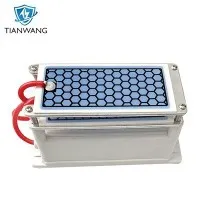
Hey there, folks! As a supplier of 12V ozone generators, I often get asked if these nifty devices can be used in a recording studio. Well, let's dive right into it and find out if a 12V ozone generator is a good fit for your sound - making haven.
What is a 12V Ozone Generator?
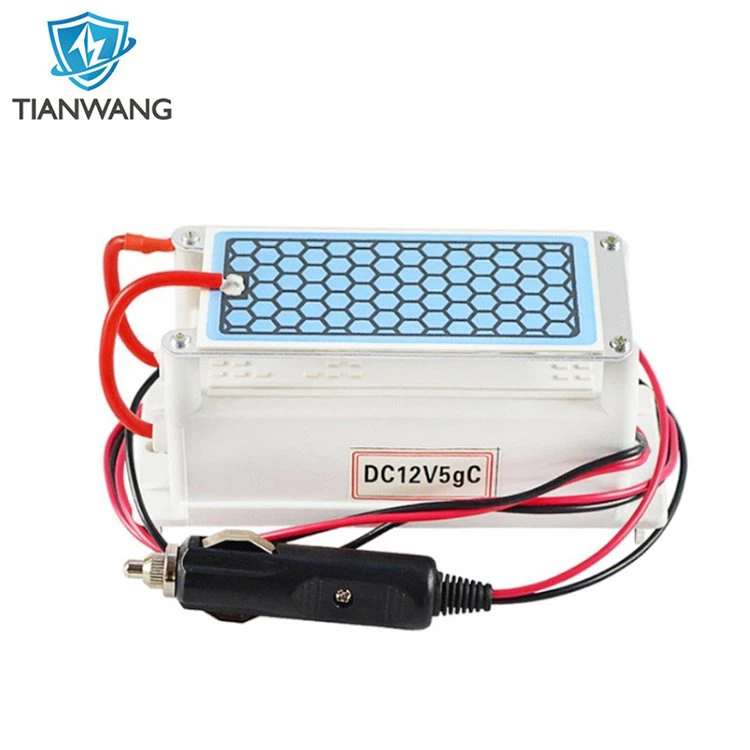
First off, let's quickly go over what a 12V ozone generator is. It's a device that runs on a 12 - volt power supply and produces ozone (O₃). Ozone is a form of oxygen with three atoms instead of the usual two. It's a powerful oxidizing agent that can break down and neutralize various pollutants, odors, and even some bacteria and viruses.
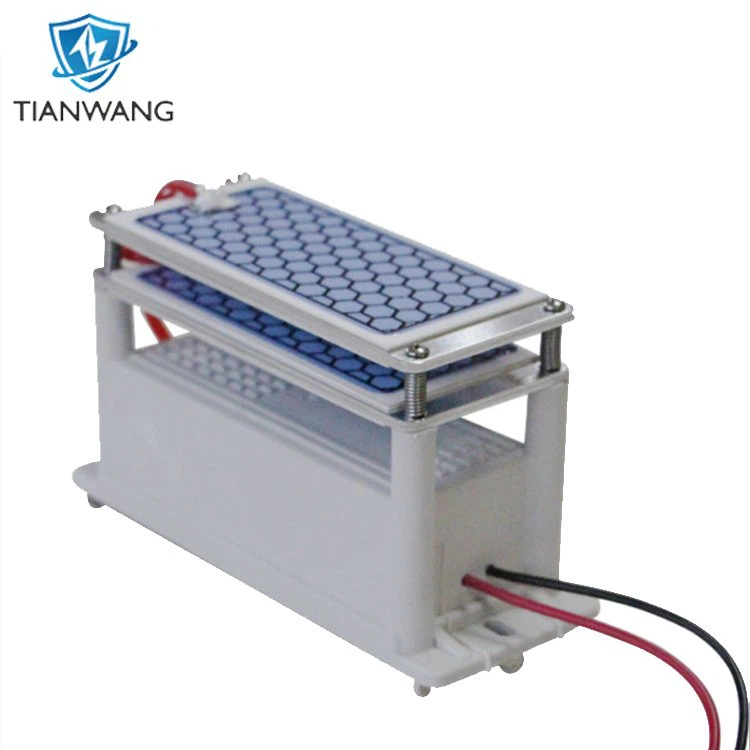
We offer a range of 12V ozone generators, like the 12v 5g Odor Mini Car Ozone Generator, the 10g Car Ozone Generator, and the 20g Ozone Air Purifier Generator Ozone Machine. We also have parts such as the Ceramic Ozone Plate for Air Purifier Parts 5g and the New Material 50mg 100mg DC 12V Mini Air Purifier Ozone Generator Ionizer For Kitchen Appliances.
The Pros of Using a 12V Ozone Generator in a Recording Studio
1. Odor Elimination
Recording studios can sometimes develop unpleasant odors. Maybe there are coffee spills, or the smell of cigarettes from the break room can seep in. A 12V ozone generator can do an amazing job of getting rid of these odors. Ozone reacts with the odor - causing molecules and breaks them down. This means you and your clients won't have to deal with any distracting smells while working on that perfect track.
2. Air Purification
Dust, pollen, and other airborne particles can find their way into a recording studio. These can not only affect the air quality but also potentially damage the sensitive audio equipment. Ozone can help in reducing the amount of these particles by reacting with them and causing them to clump together, making it easier for air filters to capture them.
3. Sanitization
Recording studios are used by multiple people, and there's always a risk of germs spreading. Ozone has antibacterial and antiviral properties. It can help reduce the number of harmful microorganisms in the studio, creating a healthier environment for everyone.
The Cons and Considerations
1. Ozone Toxicity
The biggest concern with using an ozone generator is its toxicity. Ozone is a toxic gas, and high levels of it can be harmful to human health. In a recording studio, people are likely to be present for long periods. If the ozone levels are not properly controlled, it can cause respiratory problems, throat irritation, and eye irritation. So, if you decide to use a 12V ozone generator, you need to make sure to use it in a well - ventilated area and follow the manufacturer's guidelines on usage time and ozone output.
2. Equipment Damage
Ozone is a strong oxidizing agent, and it can potentially damage some sensitive audio equipment. Materials like rubber, plastics, and certain metals can be corroded or degraded over time when exposed to high levels of ozone. You need to be careful about the placement of the ozone generator and make sure it's not too close to your valuable recording gear.
3. Sound Interference
Some ozone generators can produce a certain amount of noise while operating. In a recording studio, even the slightest background noise can be a problem. You need to choose a 12V ozone generator that operates quietly or make sure to use it at a time when no recording is taking place.
Best Practices for Using a 12V Ozone Generator in a Recording Studio
1. Proper Ventilation
As mentioned earlier, good ventilation is crucial. You can run the ozone generator when the studio is empty and then open the windows and doors to let fresh air in before anyone enters. This will help dissipate the ozone and reduce the risk of exposure.
2. Use the Right Size
Choose an ozone generator with the appropriate ozone output for the size of your recording studio. A too - powerful generator can produce excessive ozone, while a too - weak one may not be effective. You can calculate the required ozone output based on the studio's volume.
3. Monitor Ozone Levels
It's a good idea to use an ozone monitor to keep track of the ozone levels in the studio. This way, you can ensure that the levels are within the safe range at all times.
Conclusion
So, can a 12V ozone generator be used in a recording studio? The answer is yes, but with careful consideration. If you take the necessary precautions, a 12V ozone generator can offer several benefits in terms of odor elimination, air purification, and sanitization. Just make sure to manage the potential risks associated with ozone toxicity, equipment damage, and sound interference.
If you're interested in learning more about our 12V ozone generators or want to discuss which model would be best for your recording studio, feel free to reach out. We're here to help you make an informed decision and keep your studio environment clean and pleasant.
References
- Ozone Research Institute. (20XX). Ozone and Its Effects on Air Quality.
- Audio Equipment Manufacturers Association. (20XX). Guidelines for Protecting Audio Equipment from Environmental Factors.