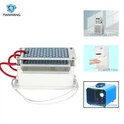
As a supplier of home ozone machines, one question I'm frequently asked is: "Can a home ozone machine kill bacteria and viruses?" This is a crucial query, especially in today's world where health and hygiene have taken center stage. In this blog, I'll explore the science behind ozone's antibacterial and antiviral properties, discuss the effectiveness of home ozone machines, and provide some insights into using them safely and effectively.
The Science of Ozone and Its Antimicrobial Properties
Ozone (O₃) is a highly reactive gas composed of three oxygen atoms. It is a powerful oxidant, which means it has the ability to react with and break down the cell walls of bacteria, viruses, and other microorganisms. When ozone comes into contact with these pathogens, it can oxidize their cell membranes, disrupt their metabolic processes, and ultimately destroy them.
Numerous scientific studies have demonstrated ozone's effectiveness against a wide range of bacteria and viruses. For example, research has shown that ozone can effectively inactivate common pathogens such as Escherichia coli (E. coli), Staphylococcus aureus, and influenza viruses. In a study published in the Journal of Applied Microbiology, ozone was found to significantly reduce the number of viable bacteria on various surfaces, including stainless steel and glass.
How Home Ozone Machines Work
Home ozone machines work by generating ozone through a process called corona discharge or ultraviolet (UV) light. In corona discharge ozone generators, an electrical current is passed through a high-voltage electrode, creating a corona effect that splits oxygen molecules (O₂) into individual oxygen atoms. These atoms then combine with other oxygen molecules to form ozone (O₃). UV ozone generators, on the other hand, use ultraviolet light to break apart oxygen molecules and create ozone.
Once ozone is generated, it is released into the air or water, where it can come into contact with bacteria, viruses, and other contaminants. The ozone then reacts with these pathogens, oxidizing them and rendering them harmless. Home ozone machines can be used for a variety of applications, including air purification, water treatment, and odor elimination.


Effectiveness of Home Ozone Machines in Killing Bacteria and Viruses
The effectiveness of home ozone machines in killing bacteria and viruses depends on several factors, including the concentration of ozone generated, the duration of exposure, and the type of pathogen. In general, higher ozone concentrations and longer exposure times are more effective at killing bacteria and viruses. However, it's important to note that ozone can also be harmful to humans and animals at high concentrations, so it's crucial to use home ozone machines safely and according to the manufacturer's instructions.
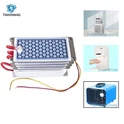
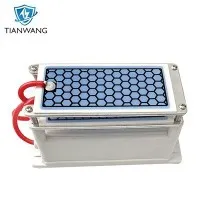
When used properly, home ozone machines can be an effective way to reduce the number of bacteria and viruses in the air and on surfaces. For example, a 20g Portable Ozone Generator Air Sterilizer can generate a relatively high concentration of ozone, which can be effective at killing bacteria and viruses in larger spaces. Similarly, a 5g Ozone generator or a 10g ozone generator Cleaner Ozonizer Odor Eliminator can be used for smaller spaces or for more targeted applications.
Safety Considerations When Using Home Ozone Machines
While ozone can be effective at killing bacteria and viruses, it can also be harmful to humans and animals at high concentrations. Exposure to high levels of ozone can cause respiratory problems, such as coughing, shortness of breath, and chest pain. It can also irritate the eyes, nose, and throat, and can exacerbate existing respiratory conditions, such as asthma.
To ensure the safe use of home ozone machines, it's important to follow these safety guidelines:
- Use the machine in an unoccupied space: Never use a home ozone machine in a room where people or animals are present. Ozone can be harmful to humans and animals, so it's important to evacuate the area before using the machine and to wait until the ozone has dissipated before re-entering the room.
- Follow the manufacturer's instructions: Different home ozone machines have different operating instructions, so it's important to read and follow the manufacturer's instructions carefully. This includes setting the appropriate ozone concentration and duration of exposure.
- Ventilate the area: After using a home ozone machine, it's important to ventilate the area thoroughly to remove any remaining ozone. Open windows and doors, and use fans to circulate the air.
- Monitor ozone levels: If possible, use an ozone monitor to measure the ozone levels in the air. This can help you ensure that the ozone concentration is within safe limits.
Conclusion
In conclusion, home ozone machines can be an effective way to kill bacteria and viruses in the air and on surfaces. However, it's important to use them safely and according to the manufacturer's instructions to avoid any potential health risks. When used properly, home ozone machines can provide a convenient and cost-effective solution for improving indoor air quality and reducing the spread of pathogens.
If you're interested in learning more about our home ozone machines or would like to discuss your specific needs, please feel free to contact us. We're here to help you find the right solution for your home or business.
References
- Journal of Applied Microbiology. (Year). "Effectiveness of ozone in reducing bacterial contamination on surfaces."
- World Health Organization. (Year). "Guidelines for indoor air quality: Ozone."
- Environmental Protection Agency. (Year). "Ozone: Health effects and indoor air quality."