Can an Arc Lighter be used for lighting a wax warmer?
In the world of modern convenience and innovative tools, arc lighters have emerged as a popular alternative to traditional flame lighters. As a supplier of high - quality arc lighters, I often get asked about the various applications of these unique devices. One question that frequently comes up is whether an arc lighter can be used for lighting a wax warmer. In this blog, we'll explore this topic in detail, considering the functionality of arc lighters, the requirements of wax warmers, and the safety aspects involved.
Understanding Arc Lighters
Arc lighters, also known as plasma lighters, use electricity to create an electric arc instead of a traditional flame. This arc is generated by high - voltage electricity that jumps between two electrodes, producing a hot, visible arc of plasma. The main advantages of arc lighters are their windproof nature, rechargeability, and the absence of an open flame, which can be safer in some situations.
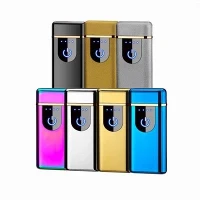
We offer a range of arc lighters, including the Electronic Arc Lighter Of Battery Indicator. This lighter is equipped with a battery indicator, allowing users to easily monitor the remaining battery life. It is a practical and reliable option for various lighting needs. Another popular product is the Windproof Plasma Electric Cool Lighter Dual Arc Flameless Rechargeable USB Cigarette Lighter Smoking Lighters. With its dual - arc design, it provides a more intense and stable arc for quick and efficient lighting. And the Windproof Double ARC Plasma Lighter USB Rechargeable With Battery Indicator combines the features of double arcs and a battery indicator, making it a top - choice for many customers.


Wax Warmers: How They Work
Wax warmers are devices used to melt scented wax cubes or tarts to release their fragrance into the air. There are two main types of wax warmers: electric and candle - powered. Electric wax warmers use a heating element to warm the wax, while candle - powered wax warmers rely on a small tea - light candle to provide the heat.
The key requirement for lighting a wax warmer (in the case of a candle - powered one) is to provide enough heat to ignite the wick of the tea - light candle. The wick needs to reach its ignition temperature, which is typically around 199 - 204 degrees Celsius (390 - 400 degrees Fahrenheit).
Can an Arc Lighter Light a Wax Warmer?
The short answer is yes, an arc lighter can be used to light a wax warmer, specifically a candle - powered wax warmer. The high - temperature electric arc produced by an arc lighter can easily reach the ignition temperature of the tea - light candle wick.
When using an arc lighter to light a wax warmer, hold the lighter close to the wick of the tea - light candle. The arc should be in contact with the wick for a few seconds until the wick catches fire. The windproof nature of arc lighters is an advantage here, as it ensures that the ignition process is not interrupted by air movement.
However, there are some important considerations to keep in mind. First, arc lighters are designed to be held at a certain distance from the object being lit. Holding the lighter too close to the wax warmer or the tea - light candle can cause damage to the lighter or the wax warmer. Second, the electric arc can be quite intense, and there is a risk of accidentally touching the arc, which can cause burns. Therefore, it is essential to use the arc lighter with caution.
Safety Precautions
When using an arc lighter to light a wax warmer, the following safety precautions should be taken:
- Keep a safe distance: As mentioned earlier, maintain a proper distance between the arc lighter and the wax warmer. This will prevent any damage to the lighter or the wax warmer and reduce the risk of burns.
- Use in a well - ventilated area: Although arc lighters do not produce an open flame, there may still be some small amounts of ozone generated during the operation of the arc. Ozone can be harmful if inhaled in large quantities, so it is important to use the lighter in a well - ventilated area.
- Store the lighter properly: When not in use, store the arc lighter in a cool, dry place. Make sure it is out of reach of children and pets.
- Follow the manufacturer's instructions: Each arc lighter may have specific instructions for use and maintenance. It is important to read and follow these instructions carefully to ensure safe and proper operation.
Advantages of Using an Arc Lighter for Wax Warmers
There are several advantages to using an arc lighter for lighting a wax warmer:
- Windproof: As mentioned before, the windproof nature of arc lighters makes them ideal for lighting tea - light candles, especially in areas with air movement.
- Rechargeable: Arc lighters are rechargeable, which means you don't have to worry about running out of fuel. This is convenient and cost - effective in the long run.
- No open flame: The absence of an open flame reduces the risk of fire and makes arc lighters a safer option, especially in households with children or pets.
Limitations
While arc lighters can be used to light wax warmers, they also have some limitations:
- Limited reach: The arc of an arc lighter has a limited reach. If the wick of the tea - light candle is deep inside the wax warmer, it may be difficult to reach it with the arc.
- Battery life: The battery life of arc lighters can vary depending on the model and usage. If the battery runs out during the ignition process, it can be inconvenient.
Conclusion
In conclusion, an arc lighter can be used to light a wax warmer, specifically a candle - powered wax warmer. It offers several advantages such as windproof design, rechargeability, and the absence of an open flame. However, it is important to use the arc lighter with caution and follow the safety precautions to ensure a safe and efficient ignition process.
If you are interested in purchasing high - quality arc lighters for your wax warmer or other lighting needs, we invite you to contact us for a procurement discussion. We are committed to providing the best products and services to our customers.
References
- "The Science of Fire and Ignition", Journal of Combustion Science, Volume 23, Issue 4
- "Safety Guidelines for Using Electric Lighters", National Fire Protection Association