The use of ozone generators in small enclosed spaces is a topic that has sparked significant debate and curiosity. As a supplier of ozone generators, I am often asked whether these devices can be safely and effectively used in such environments. In this article, I'll delve into the science behind ozone generators, explore their potential benefits and risks in small enclosed spaces, and provide guidance on making informed decisions.
Understanding Ozone Generators
Ozone generators are devices designed to produce ozone (O₃), a highly reactive gas composed of three oxygen atoms. Ozone is a powerful oxidant, which means it has the ability to react with and break down various substances, including pollutants, odors, and microorganisms. This property makes ozone generators effective for air purification, odor removal, and disinfection in certain settings.
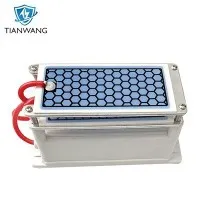
There are different types of ozone generators, each using a specific method to produce ozone. The most common methods include corona discharge, ultraviolet light, and cold plasma technology. These generators come in various sizes and capacities, catering to different needs and applications. For example, we offer a range of ozone generators, such as the 20g Portable Ozone Generator Air Sterilizer, the 10g ozone generator Cleaner Ozonizer Odor Eliminator, the New Material 50mg 100mg DC 12V Mini Air Purifier Ozone Generator Ionizer For Kitchen Appliances, the Ozone Air Purifier Generator, and the 10g Car Ozone Generator.
Potential Benefits in Small Enclosed Spaces
One of the main advantages of using an ozone generator in a small enclosed space is its ability to eliminate odors. Whether it's the musty smell in a basement, the lingering odor of smoke in a room, or the unpleasant smell in a car, ozone can react with odor-causing molecules and break them down into less pungent substances. This makes it an effective solution for quickly freshening up the air in these spaces.
Ozone generators can also be used for disinfection purposes. Ozone has been shown to be effective against a wide range of microorganisms, including bacteria, viruses, and fungi. In a small enclosed space, such as a laboratory, hospital room, or food processing area, an ozone generator can help reduce the number of harmful pathogens and improve the overall hygiene level.
Another benefit is air purification. Ozone can oxidize and remove various air pollutants, such as dust, pollen, and volatile organic compounds (VOCs). This can be particularly beneficial for people with allergies or respiratory problems, as it can help improve the air quality and reduce the risk of allergic reactions and respiratory distress.
Risks and Precautions
While ozone generators offer several benefits, they also come with certain risks, especially when used inappropriately. Ozone is a toxic gas, and exposure to high levels of ozone can cause a variety of health problems, including respiratory irritation, coughing, shortness of breath, and chest pain. Prolonged exposure to ozone can also damage the lungs and increase the risk of respiratory infections.
In addition, ozone can react with other chemicals in the air to form harmful byproducts, such as formaldehyde and ultrafine particles. These byproducts can also pose health risks, especially to sensitive individuals.


When using an ozone generator in a small enclosed space, it is crucial to take the following precautions:
- Ventilation: Ensure that the space is well-ventilated during and after the operation of the ozone generator. This will help to reduce the concentration of ozone in the air and prevent the accumulation of harmful byproducts.
- Occupancy: Do not occupy the space while the ozone generator is in operation. Leave the area and allow the ozone to dissipate for a sufficient period of time before re-entering. The recommended ventilation time depends on the size of the space and the capacity of the ozone generator, but it is generally advisable to wait at least 30 minutes to a few hours.
- Dosage: Use the ozone generator at the appropriate dosage. Overusing the ozone generator can lead to excessive ozone levels, which can pose health risks. Refer to the manufacturer's instructions for the recommended usage and dosage guidelines.
- Monitoring: Consider using an ozone monitor to measure the ozone concentration in the air. This will help you to ensure that the ozone levels are within the safe range and to take appropriate measures if necessary.
Choosing the Right Ozone Generator
When selecting an ozone generator for a small enclosed space, there are several factors to consider:
- Size of the space: The size of the space will determine the capacity of the ozone generator you need. A larger space will require a more powerful ozone generator to achieve the desired results.
- Purpose: Consider the specific purpose for which you are using the ozone generator. If you are mainly using it for odor removal, a lower-capacity ozone generator may be sufficient. However, if you need it for disinfection or air purification, you may need a higher-capacity ozone generator.
- Safety features: Look for an ozone generator that has built-in safety features, such as an automatic shut-off timer and an ozone sensor. These features will help to prevent overexposure to ozone and ensure the safe operation of the device.
- Quality and reliability: Choose an ozone generator from a reputable manufacturer to ensure its quality and reliability. Read customer reviews and check the warranty information before making a purchase.
Conclusion
In conclusion, an ozone generator can be used in a small enclosed space, but it is important to use it safely and appropriately. When used correctly, an ozone generator can provide effective odor removal, disinfection, and air purification. However, it is crucial to take the necessary precautions to minimize the risks associated with ozone exposure.
If you are considering purchasing an ozone generator for a small enclosed space, I encourage you to contact us for more information. We have a team of experts who can help you choose the right ozone generator for your needs and provide you with guidance on its safe and effective use. Feel free to reach out to us for any further queries or to start a purchase negotiation.
References
- World Health Organization. (2006). Air quality guidelines: global update 2005: particulate matter, ozone, nitrogen dioxide and sulfur dioxide.
- U.S. Environmental Protection Agency. (2019). Ozone Generators That Are Sold As Air Cleaners.
- American Lung Association. (2018). Ozone Generators and Your Health.