Ozone machines have gained popularity in recent years for their potential to clean and purify the air, eliminate odors, and even disinfect surfaces. As a supplier of ozone machines, I often receive questions from customers about the suitability of using these devices in kitchens. In this blog post, I'll explore the pros and cons of using an ozone machine in a kitchen to help you make an informed decision.
Understanding Ozone and Ozone Machines
First, let's briefly understand what ozone is and how ozone machines work. Ozone (O₃) is a gas composed of three oxygen atoms. It is a powerful oxidizing agent, which means it can break down and react with various substances. Ozone machines generate ozone by using electrical discharges or ultraviolet light to convert oxygen (O₂) into ozone.
Advantages of Using an Ozone Machine in a Kitchen
-
Odor Elimination
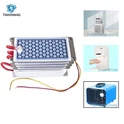
One of the most significant benefits of using an ozone machine in the kitchen is its ability to eliminate unwanted odors. Kitchens are often filled with strong smells from cooking, such as spices, fried foods, and rancid odors from the garbage. Ozone can react with odor - causing molecules, breaking them down into smaller, odor - less compounds. For example, it can neutralize the sulfur compounds responsible for the smell of fried onions or fish. Our 20g Portable Ozone Generator Air Sterilizer is particularly effective in large kitchens or areas with persistent odors. -
Disinfection
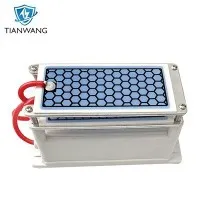
Ozone is a potent disinfectant. It can kill bacteria, viruses, and fungi on surfaces and in the air. In a kitchen, where food is prepared, maintaining a clean and germ - free environment is crucial. Ozone can help reduce the presence of harmful microorganisms on countertops, appliances, and in the air. For smaller kitchens or areas where a lower ozone output is needed, our 5g Ozone generator can be a great choice. -
Mold Prevention
Kitchens can be prone to mold growth, especially in areas with high humidity, such as near the sink or dishwasher. Ozone can inhibit the growth of mold by oxidizing the organic matter that mold feeds on. Regular use of an ozone machine can help keep your kitchen free from mold and mildew.
Disadvantages and Considerations
-
Toxicity
The primary concern when using an ozone machine in a kitchen is ozone's toxicity. High levels of ozone can be harmful to humans, animals, and certain materials. When inhaled, ozone can irritate the respiratory system, causing coughing, shortness of breath, and chest pain. Prolonged exposure to high ozone levels can even lead to more serious health problems, such as damage to the lungs. Therefore, it is essential to ensure that the kitchen is unoccupied during ozone treatment. After the ozone treatment is complete, the kitchen should be well - ventilated to allow the ozone to dissipate before anyone re - enters. -
Damage to Materials
Ozone can also cause damage to some materials in the kitchen. It can break down rubber, plastic, and certain types of fabric over time. For example, the rubber seals on refrigerators or the plastic components of kitchen appliances may be affected by long - term exposure to ozone. When using an ozone machine, it is important to consider the materials in your kitchen and take appropriate precautions. -
Food Safety
Direct exposure of food to high levels of ozone can have negative effects on its quality and safety. Ozone can react with some of the nutrients in food, such as vitamins and antioxidants, reducing their availability. Additionally, if ozone reacts with certain chemicals in food additives, it may form potentially harmful by - products. Therefore, all food should be covered or removed from the kitchen during ozone treatment.
Best Practices for Using an Ozone Machine in a Kitchen
-
Safe Operation
Before using the ozone machine, make sure to read and follow the manufacturer's instructions carefully. Set the appropriate ozone output level based on the size of your kitchen. A general rule of thumb is to use a lower ozone output for smaller kitchens and a higher output for larger spaces. Our 10g ozone generator Cleaner Ozonizer Odor Eliminator allows you to adjust the ozone output according to your needs. -
Occupancy and Ventilation
Always ensure that the kitchen is empty during ozone treatment. Keep pets and people out of the area. After the treatment is finished, turn off the ozone machine and open all windows and doors to allow the ozone to dissipate. You can also use fans to speed up the ventilation process. Wait at least 30 minutes to an hour before re - entering the kitchen to ensure that the ozone levels have dropped to a safe level. -
Protecting Kitchen Items
Cover all food, utensils, and appliances with plastic sheets or covers to prevent direct contact with ozone. If possible, remove sensitive materials, such as rubber items and some plastics, from the kitchen during treatment.

Conclusion
So, can an ozone machine be used in a kitchen? The answer is yes, but with careful consideration and proper safety measures. Ozone machines can provide significant benefits in terms of odor elimination, disinfection, and mold prevention. However, the potential risks of toxicity, material damage, and effects on food safety must be taken seriously.
If you're considering using an ozone machine in your kitchen, our company offers a range of high - quality ozone machines that are designed to be safe and effective. We are committed to providing you with the best products and professional advice. Whether you need a small - scale ozone generator for a compact kitchen or a more powerful one for a large commercial kitchen, we have the right solution for you.
If you have any questions about our ozone machines or need more information on using them in your kitchen, we encourage you to reach out to us for a procurement discussion. Our team of experts is ready to assist you in making the right choice for your specific needs.
References
- Environmental Protection Agency. (2023). Ozone Generators That Are Sold As Air Cleaners.
- World Health Organization. (2022). Air quality guidelines: global update 2021.
- American Lung Association. (2023). Ozone Air Pollution and Your Health.