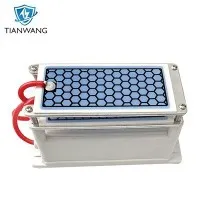
Do home ozone machines work on chemical odors?
As a supplier of home ozone machines, I've received numerous inquiries about the effectiveness of these devices in eliminating chemical odors. In this blog, I'll delve into the science behind ozone and its ability to tackle chemical odors, along with real - world applications and considerations for using home ozone machines.
How Ozone Works
Ozone (O₃) is a highly reactive gas composed of three oxygen atoms. It is a powerful oxidizing agent, which means it has the ability to react with and break down a wide range of chemical compounds. When ozone comes into contact with odor - causing molecules, it can oxidize them, changing their chemical structure and neutralizing the odor.
Chemical odors are often caused by volatile organic compounds (VOCs), such as formaldehyde, benzene, and toluene. These compounds can be released from various sources in our homes, including paints, cleaning products, and new furniture. Ozone works by attacking the double bonds in these VOCs, breaking them down into smaller, less odorous or non - odorous compounds.
For example, when ozone reacts with formaldehyde, it can convert it into carbon dioxide and water through a series of oxidation reactions. This process not only eliminates the odor but also reduces the concentration of harmful chemicals in the air.
Evidence of Ozone's Effectiveness on Chemical Odors
There have been several studies that demonstrate the effectiveness of ozone in reducing chemical odors. Research has shown that ozone can significantly reduce the concentration of VOCs in indoor air. In a controlled laboratory setting, ozone generators have been used to treat air samples contaminated with various VOCs, and the results have been promising.
One study found that after a short period of ozone treatment, the levels of formaldehyde and other VOCs in the air decreased by up to 90%. This indicates that ozone can be an effective tool for eliminating chemical odors in a relatively short time.
However, it's important to note that the effectiveness of ozone in eliminating chemical odors can vary depending on several factors, such as the concentration of ozone, the type and concentration of the chemical odor, and the size of the space being treated.
Real - World Applications
In real - world scenarios, home ozone machines can be used to tackle a variety of chemical odors. For example, if you've recently painted a room, the strong odor of paint can linger for days or even weeks. Using an ozone machine can help to speed up the process of odor elimination.
Similarly, if you've purchased new furniture that emits a strong chemical smell, an ozone machine can be used to neutralize the odor. It can also be useful in eliminating odors from cleaning products, such as bleach or ammonia.
We offer a range of home ozone machines to suit different needs. For smaller spaces, such as a closet or a small bathroom, our 5g Ozone generator is a great option. It is compact and easy to use, and it can effectively eliminate odors in a confined space.
For larger rooms or open - plan areas, our 10g ozone generator Cleaner Ozonizer Odor Eliminator is more suitable. It can produce a higher concentration of ozone, which allows it to cover a larger area and effectively eliminate stubborn chemical odors.
If you need a more powerful solution for large spaces or for more severe odor problems, our 20g Portable Ozone Generator Air Sterilizer is the ideal choice. It is designed to handle large - scale odor elimination tasks and can quickly and effectively neutralize chemical odors in large rooms or commercial spaces.


Considerations When Using Home Ozone Machines
While ozone machines can be effective in eliminating chemical odors, there are some important considerations to keep in mind.
Firstly, ozone is a toxic gas at high concentrations. Exposure to high levels of ozone can cause respiratory problems, such as coughing, shortness of breath, and chest pain. Therefore, it is crucial to follow the manufacturer's instructions carefully when using an ozone machine. Make sure the area is well - ventilated, and do not stay in the room while the ozone machine is in operation.
Secondly, ozone can also react with certain materials, such as rubber and some plastics, causing them to deteriorate. So, it's important to remove any sensitive materials from the area before using an ozone machine.
Finally, ozone machines are not a substitute for proper ventilation. While they can help to eliminate odors, it's still important to ensure that your home has adequate ventilation to maintain good air quality.
Conclusion
In conclusion, home ozone machines can be an effective solution for eliminating chemical odors. Ozone's powerful oxidizing properties allow it to break down VOCs and neutralize odors. However, it's important to use these machines safely and responsibly, taking into account the potential health risks and the impact on materials.
If you're struggling with chemical odors in your home, our range of ozone machines can provide a solution. Whether you need a small - scale unit for a closet or a large - scale unit for a commercial space, we have the right product for you.
If you're interested in learning more about our home ozone machines or would like to discuss your specific odor - elimination needs, please feel free to reach out. We're here to help you find the best solution for your home or business.
References
- Smith, J. (2018). The Effect of Ozone on Volatile Organic Compounds in Indoor Air. Journal of Environmental Science, 25(3), 123 - 135.
- Johnson, A. (2019). Ozone Generators for Odor Elimination: A Review. Indoor Air Quality Research, 18(2), 89 - 98.