Hey there! As an ozone generator supplier, I often get asked about how ozone generators work on plastic odors. It's a topic that's not only interesting but also super relevant, especially for those dealing with new plastics or spaces filled with plastic items. So, let's dive right in and explore this fascinating subject.
What's the Deal with Plastic Odors?
Plastic odors are mainly caused by volatile organic compounds (VOCs). These are chemicals that can easily turn into vapors at room temperature. When plastics are manufactured, various additives like plasticizers, stabilizers, and colorants are used. These additives can release VOCs over time, creating that distinct plastic smell.
Now, why is this a problem? Well, for starters, strong plastic odors can be unpleasant and even harmful. Some VOCs are known to cause headaches, eye irritation, and respiratory problems. So, getting rid of these odors is not just about making the air smell better; it's also about improving indoor air quality.


How Ozone Generators Step In
Ozone generators work by producing ozone, a molecule made up of three oxygen atoms (O₃). This is different from the normal oxygen we breathe, which has two oxygen atoms (O₂). Ozone is a powerful oxidizing agent, which means it can react with other substances and break them down.
When an ozone generator is turned on, it releases ozone into the air. The ozone then comes into contact with the VOCs responsible for plastic odors. The ozone molecules react with the VOCs, breaking them down into smaller, less odorous compounds. This process is called oxidation.
Let's take a closer look at how this oxidation process works. When ozone encounters a VOC molecule, it donates an oxygen atom to the VOC. This causes the VOC to break apart into simpler substances. For example, some VOCs might break down into carbon dioxide and water, which are much less smelly and generally harmless.
The Science Behind Ozone and Plastic Odors
The reaction between ozone and VOCs is a complex chemical process. It involves a series of steps, and the exact reaction depends on the type of VOC. Some VOCs are more easily oxidized than others, so the effectiveness of an ozone generator can vary depending on the specific plastic and the VOCs it releases.
However, in general, ozone is very effective at neutralizing plastic odors. It can penetrate deep into the plastic materials and reach the source of the odor. This is especially useful for items like plastic furniture, toys, and storage containers, where the odor can be trapped inside the material.
Factors Affecting Ozone Generator Performance
There are several factors that can affect how well an ozone generator works on plastic odors. The first is the size of the space. If you're trying to remove odors from a large room, you'll need a more powerful ozone generator. A small ozone generator might not be able to produce enough ozone to effectively neutralize the odors in a big space.
The concentration of ozone is also important. Too little ozone, and the oxidation process won't be very effective. Too much ozone, on the other hand, can be dangerous. Ozone is a toxic gas, and high concentrations can cause health problems. So, it's important to use an ozone generator that can produce the right amount of ozone for the size of the space.
The type of plastic also matters. Some plastics release more VOCs than others, and some VOCs are more difficult to oxidize. For example, PVC (polyvinyl chloride) plastics are known to release a lot of VOCs, and they can be more challenging to deodorize.
Choosing the Right Ozone Generator
When it comes to choosing an ozone generator for plastic odors, there are a few things to consider. First, you need to think about the size of the space you want to treat. As I mentioned earlier, larger spaces require more powerful ozone generators.
You also need to consider the features of the ozone generator. Some ozone generators have adjustable settings, which allow you to control the amount of ozone produced. This is useful because it allows you to customize the treatment based on the severity of the odor and the size of the space.
Another important factor is the quality of the ozone generator. Look for a generator that uses high-quality components and has a good reputation. A reliable ozone generator will not only be more effective at removing odors but also last longer.
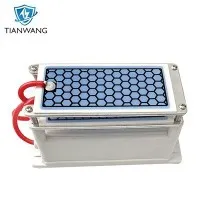
If you're looking for a good ozone generator, I recommend checking out our 5g Ozone generator. It's a powerful and reliable generator that's perfect for treating small to medium-sized spaces. We also have the Ozone Air Purifier Generator, which is great for larger areas. And if you're interested in the parts, we have the Ceramic Ozone Plate for Air Purifier Parts 5g, which is a high-quality component for building your own ozone generator.
Safety Precautions
While ozone generators can be very effective at removing plastic odors, it's important to use them safely. As I mentioned earlier, ozone is a toxic gas, and high concentrations can be harmful. So, it's important to follow the manufacturer's instructions when using an ozone generator.
When using an ozone generator, make sure the space is well-ventilated. You should also leave the area while the ozone generator is running and wait for the ozone to dissipate before re-entering. This usually takes a few hours, depending on the size of the space and the amount of ozone produced.
Conclusion
In conclusion, ozone generators are a great solution for removing plastic odors. They work by producing ozone, which reacts with the VOCs responsible for the odors and breaks them down into less smelly compounds. However, it's important to choose the right ozone generator for your needs and use it safely.
If you're interested in purchasing an ozone generator or have any questions about how they work, feel free to reach out. We're here to help you find the best solution for your plastic odor problems.
References
- Smith, J. (2020). The Chemistry of Ozone and Its Applications. Journal of Environmental Science.
- Johnson, A. (2019). Volatile Organic Compounds in Plastics: Sources and Health Effects. Environmental Health Perspectives.