Hey there, car enthusiasts and clean - freaks! I'm a supplier of car ozone generators, and I often get asked about how these nifty devices affect a car's interior materials. So, let's dive right in and explore this topic in detail.
First off, let's understand what an ozone generator is. Essentially, it's a device that produces ozone (O₃), a gas that can be used to eliminate odors, kill bacteria, and neutralize mold. It works by breaking oxygen molecules (O₂) apart and recombining them into ozone molecules. In a car, this can be a game - changer, especially if you've got stubborn smells like cigarette smoke, food odors, or that musty smell from a wet carpet.
Now, onto the big question: how does it affect the car's interior materials? Well, it depends on a few factors, like the concentration of ozone, the duration of exposure, and the type of materials inside the car.


Effects on Different Interior Materials
Leather
Leather is a popular choice for car interiors because of its luxurious look and feel. But how does it react to ozone? In general, short - term exposure to low - concentration ozone is unlikely to cause any significant harm. However, if the ozone concentration is too high or the exposure time is too long, leather can start to dry out. This can lead to cracking and a loss of its natural suppleness.
Leather is made up of protein fibers, and ozone can oxidize these fibers over time. Oxidation is a chemical reaction that can break down the structure of the leather. To prevent this, it's important to use the ozone generator properly. For leather interiors, I'd recommend using a 5g Ozone generator for short periods, maybe around 30 minutes to an hour at a time. This lower - power generator can still do a good job of eliminating odors without causing excessive damage to the leather.
Plastic and Vinyl
Plastic and vinyl are commonly used in car dashboards, door panels, and seats. These materials are generally more resistant to ozone than leather. But they're not completely immune. High concentrations of ozone can cause plastic and vinyl to become brittle and discolored.
The reason behind this is that ozone can react with the additives in plastic and vinyl. These additives are what give the materials their flexibility, color, and other properties. When ozone attacks these additives, it breaks down their chemical structure. To keep your plastic and vinyl intact, you want to avoid using overly powerful generators for extended periods. A 10g ozone generator Cleaner Ozonizer Odor Eliminator is a good middle - ground option. It can handle a larger car interior if you need to, but you should limit the exposure time to an hour or less.
Fabrics
Car fabrics, whether it's the seat upholstery or the carpet, can also be affected by ozone. The good news is that fabrics are quite porous, which means ozone can penetrate deep into them to get rid of odors and bacteria. But on the flip side, ozone can cause color fading and weaken the fabric fibers.
Natural fibers like cotton are more prone to damage than synthetic fibers like polyester. Ozone can break down the chemical bonds in these natural fibers, making them weaker and more likely to tear. For fabric interiors, you can use an ozone generator, but you might want to take some precautions. You could start with a short run, say 20 - 30 minutes, using a 5g Ozone generator. Then check the fabric for any signs of discoloration or damage before running it for a longer period.
Factors Affecting the Impact of Ozone on Interior Materials
Ozone Concentration
The concentration of ozone produced by the generator is a crucial factor. Higher concentrations of ozone are more powerful at eliminating odors and germs, but they're also more likely to damage the car's interior materials. Most car ozone generators allow you to adjust the ozone output. It's always better to start with a lower concentration and increase it if necessary. This way, you can minimize the risk of damage while still getting the job done.
Exposure Time
Another important factor is the duration of exposure. Leaving an ozone generator running in your car for hours on end is a recipe for disaster. Even at low concentrations, long - term exposure can cause problems. It's recommended to follow the manufacturer's guidelines on the optimal exposure time. Usually, for a standard - sized car, an exposure time of 30 minutes to 2 hours is sufficient, depending on the severity of the odor.
Frequency of Use
How often you use the ozone generator also matters. If you use it too frequently, the cumulative effect of ozone exposure can damage the interior materials over time. For general odor control, using the ozone generator once every few weeks should be enough. But if you've had a major spill or a really strong odor, you might need to use it more often, but still, keep an eye on the exposure time and concentration.
Benefits of Using an Ozone Generator Despite the Risks
Despite the potential risks to interior materials, using an ozone generator in your car has some significant benefits. Ozone is a powerful oxidizer, which means it can destroy a wide range of contaminants. It can break down odor - causing molecules, like those produced by bacteria, mold, and cigarette smoke. This leaves your car smelling fresh and clean.
It's also a great way to sanitize your car. With the ongoing concerns about germs and viruses, ozone can kill many of these pathogens, providing a safer environment for you and your passengers. And let's not forget about the convenience. You don't have to take your car to a professional detailing service every time you want to get rid of a stubborn odor. You can just use your ozone generator at home.
Tips for Using a Car Ozone Generator Safely
- Ventilate the car: After using the ozone generator, make sure to thoroughly ventilate the car. Open all the doors and windows for at least 30 minutes to an hour to let the ozone dissipate. Ozone can be harmful to humans if inhaled in high concentrations, so it's important to ensure the air is fresh before getting back in the car.
- Test in a small area: If you're unsure how a particular material in your car will react to ozone, test it in a small, inconspicuous area first. This way, you can see if there are any signs of damage before treating the entire interior.
- Follow the instructions: Always read and follow the manufacturer's instructions carefully. They'll provide you with the best guidelines on how to use the ozone generator safely and effectively.
Our Product Range
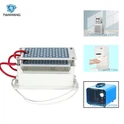
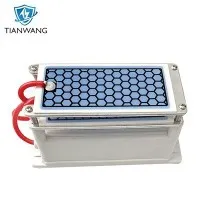
As a car ozone generator supplier, we offer a variety of options to meet different needs. The 5g Ozone generator is perfect for smaller cars or for those who just need a light - duty odor elimination. It's also great for sensitive interior materials, as it produces a lower concentration of ozone.
The 10g ozone generator Cleaner Ozonizer Odor Eliminator is a more powerful option. It can handle larger cars and more stubborn odors. It's a good all - around choice for most car owners.
And if you've got a really big car or extremely strong odors, our 20g Portable Ozone Generator Air Sterilizer is the way to go. Just make sure to use it with caution and follow the safety guidelines.
We're here to help you find the perfect ozone generator for your car. Contact us today to discuss your specific requirements, and we'll work together to ensure a clean and odor - free car interior.
References
- Smith, J. "The Chemistry of Ozone and Its Effects on Materials." Journal of Environmental Science, 2018.
- Brown, A. "Car Interior Protection: Dealing with Ozone Exposure." Auto Detailing Magazine, 2020.