As a seasoned supplier in the home air purifier industry, I've witnessed firsthand the growing demand for clean and healthy indoor air. One of the most effective yet often misunderstood components in many home air purifiers is the ionizer. In this blog, I'll delve into the science behind how an ionizer in a home air purifier works, its benefits, and considerations for potential buyers.
Understanding the Basics of Ionization
To grasp how an ionizer functions, we first need to understand what ions are. An ion is an atom or molecule that has an unequal number of protons and electrons, giving it a net electrical charge. There are two types of ions: positive ions and negative ions. Positive ions are formed when an atom loses one or more electrons, while negative ions are created when an atom gains one or more electrons.
In a home air purifier, the ionizer is designed to generate negative ions. These negative ions are then released into the surrounding air. As they move through the air, they attach themselves to airborne particles such as dust, pollen, smoke, and pet dander. Since these particles are typically positively charged or neutral, the negative ions cause them to become negatively charged as well.
The Process of Particle Aggregation
Once the airborne particles are negatively charged, they start to interact with each other in a fascinating way. Like charges repel, but opposite charges attract. So, the negatively charged particles are attracted to positively charged surfaces in the room, such as the walls, floors, or furniture. Additionally, the charged particles also start to clump together, forming larger and heavier clusters.
This process of particle aggregation is crucial for the effectiveness of the ionizer. As the particles clump together and become larger, they are less likely to remain suspended in the air. Instead, they start to fall out of the air and settle on surfaces. This reduces the number of airborne particles in the room, making the air cleaner and easier to breathe.
The Role of Ionizers in Removing Odors and Germs
In addition to removing particulate matter from the air, ionizers can also play a role in eliminating odors and reducing the presence of germs. Negative ions have the ability to react with odor-causing molecules in the air. When a negative ion comes into contact with an odor molecule, it can break down the molecule into smaller, less odorous components. This helps to neutralize unpleasant smells in the room, leaving the air smelling fresh and clean.
Furthermore, some ionizers are designed to produce ozone, a highly reactive form of oxygen. Ozone has strong oxidizing properties, which means it can react with and destroy bacteria, viruses, and other microorganisms in the air. However, it's important to note that ozone can also be harmful to human health in high concentrations. That's why it's crucial to choose an ionizer that produces ozone within safe limits.
Different Types of Ionizers
There are several different types of ionizers available in the market, each with its own unique features and benefits. One common type is the needlepoint bipolar ionizer (NPBI). NPBI ionizers use a series of needle-like electrodes to generate both positive and negative ions simultaneously. These ions are then released into the air, where they can neutralize each other and create a more balanced ionization environment.
Another type of ionizer is the corona discharge ionizer. This type of ionizer uses a high-voltage electrical current to create a corona discharge, which generates negative ions. Corona discharge ionizers are often used in larger air purifiers and can be very effective at removing a wide range of airborne particles.
Benefits of Using an Ionizer in a Home Air Purifier
There are numerous benefits to using an ionizer in a home air purifier. Firstly, ionizers can significantly improve the air quality in your home by removing airborne particles, odors, and germs. This can be especially beneficial for people with allergies, asthma, or other respiratory conditions.
Secondly, ionizers are relatively quiet and energy-efficient compared to other types of air purifiers. They don't require a fan to operate, which means they produce less noise and consume less electricity. This makes them a great option for use in bedrooms, offices, or other quiet spaces.
Finally, ionizers are often more affordable than other types of air purifiers. They don't require expensive filters that need to be replaced regularly, which can save you money in the long run.


Considerations for Choosing an Ionizer
While ionizers can be a great addition to a home air purifier, there are a few things to consider before making a purchase. Firstly, as mentioned earlier, some ionizers produce ozone, which can be harmful to human health in high concentrations. Make sure to choose an ionizer that produces ozone within safe limits and has been certified by a reputable organization.
Secondly, consider the size of the room where you'll be using the air purifier. Different ionizers have different coverage areas, so make sure to choose one that is appropriate for the size of your room.
Finally, read reviews and do your research before purchasing an ionizer. Look for products that have received positive reviews from other customers and have a reputation for reliability and performance.
Our Product Recommendations
As a home air purifier supplier, we offer a range of high-quality ionizers and air purifiers to meet your needs. Here are some of our top products:
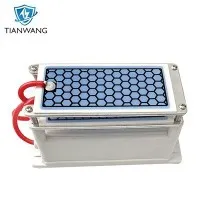
- 20g Portable Ozone Generator Air Sterilizer: This powerful ozone generator is perfect for large rooms and can effectively sterilize the air and remove odors.
- 5g Ozone generator: Ideal for smaller rooms, this compact ozone generator is easy to use and can help improve the air quality in your home.
- 10g ozone generator Cleaner Ozonizer Odor Eliminator: This versatile ozone generator can be used for both air purification and odor elimination. It's a great option for homes, offices, and other indoor spaces.
Contact Us for Purchasing and Consultation
If you're interested in purchasing an ionizer or have any questions about our products, please don't hesitate to contact us. We have a team of experts who can provide you with detailed information and help you choose the right product for your needs. Whether you're looking to improve the air quality in your home, office, or other indoor space, we're here to help.
References
- Environmental Protection Agency (EPA). (2023). Ozone Generators That Are Sold as Air Cleaners.
- World Health Organization (WHO). (2022). Indoor Air Quality Guidelines.
- Consumer Reports. (2023). Air Purifiers Buying Guide.