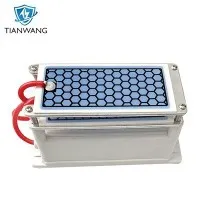
As a supplier of ozone machines, I've witnessed firsthand the growing interest in these devices and their potential impact on indoor air quality. In this blog, I'll delve into the science behind ozone machines, how they work, their effects on indoor air quality, and the considerations you need to keep in mind when using them.
Understanding Ozone
Ozone (O₃) is a gas composed of three oxygen atoms. It occurs naturally in the Earth's atmosphere, where the stratospheric ozone layer plays a crucial role in protecting us from the sun's harmful ultraviolet radiation. However, at ground level, ozone can be a pollutant and a health hazard. Ozone is a powerful oxidant, which means it can react with other substances and break them down. This property is what makes ozone machines useful for certain applications, but it also poses risks if not used correctly.
How Ozone Machines Work
Ozone machines, also known as ozone generators, work by creating ozone. They typically use one of two methods: corona discharge or ultraviolet (UV) radiation.
- Corona Discharge: This is the most common method used in commercial and industrial ozone machines. It involves passing air or oxygen through an electrical field, which splits the oxygen molecules (O₂) into individual oxygen atoms. These atoms then combine with other oxygen molecules to form ozone (O₃).
- Ultraviolet Radiation: Some ozone machines use UV light to generate ozone. When UV light with a specific wavelength hits oxygen molecules, it can break them apart and create ozone.
Positive Effects of Ozone Machines on Indoor Air Quality
Odor Removal
One of the primary uses of ozone machines is odor removal. Ozone can react with and break down odor - causing molecules, effectively eliminating unpleasant smells. It can be particularly effective in removing strong odors such as those from smoke, mold, mildew, and pet urine. For example, in a room that has been affected by a fire, an ozone machine can help to neutralize the lingering smoke odor. Our 20g Portable Ozone Generator Air Sterilizer is a great option for larger spaces where strong odors need to be eliminated.


Air Sterilization
Ozone has strong antimicrobial properties. It can kill bacteria, viruses, and fungi by oxidizing their cell membranes. This makes ozone machines useful for disinfection purposes, especially in environments where hygiene is crucial, such as hospitals, laboratories, and food processing facilities. Our 10g ozone generator Cleaner Ozonizer Odor Eliminator can be used in smaller areas for effective air sterilization.
Mold and Mildew Control
Mold and mildew thrive in damp environments and can cause health problems and damage to buildings. Ozone can inhibit the growth of mold and mildew by destroying the organic matter they feed on. By using an ozone machine in a mold - prone area, such as a basement or a bathroom, you can help prevent the spread of mold and improve air quality.
Negative Effects of Ozone Machines on Indoor Air Quality
Health Risks
Exposure to high levels of ozone can be harmful to human health. Ozone can irritate the respiratory system, causing coughing, shortness of breath, and chest pain. It can also worsen existing respiratory conditions such as asthma, bronchitis, and emphysema. Prolonged exposure to ozone can damage the lungs and reduce lung function. Therefore, it is essential to follow the manufacturer's instructions carefully when using an ozone machine and ensure that the area is well - ventilated after treatment.
Production of Secondary Pollutants
When ozone reacts with other chemicals in the air, it can produce secondary pollutants. For example, ozone can react with volatile organic compounds (VOCs) to form formaldehyde and other harmful substances. These secondary pollutants can also have negative effects on indoor air quality and human health.
Considerations When Using Ozone Machines
Proper Usage and Safety
- Occupancy: Never use an ozone machine in an occupied space. People and pets should be removed from the area before operating the machine and should not re - enter until the ozone has dissipated to a safe level.
- Ventilation: After using an ozone machine, open windows and doors to allow fresh air to circulate and reduce the ozone concentration.
- Duration: Follow the recommended operating time for your ozone machine. Over - exposure to ozone can be dangerous.
Machine Selection
The size and capacity of the ozone machine you choose should depend on the size of the area you want to treat. For smaller rooms, a 5g Ozone generator may be sufficient, while larger spaces may require a more powerful model.
Conclusion
Ozone machines can have both positive and negative effects on indoor air quality. When used correctly, they can be effective tools for odor removal, air sterilization, and mold control. However, it is crucial to be aware of the potential health risks and take appropriate safety precautions. As a supplier of ozone machines, we are committed to providing high - quality products and ensuring that our customers understand how to use them safely and effectively.
If you are interested in improving your indoor air quality with an ozone machine, we invite you to contact us for more information and to discuss your specific needs. Our team of experts is ready to assist you in selecting the right ozone machine for your situation and providing you with all the necessary guidance on its proper use.
References
- American Lung Association. (2023). Ozone and Your Health.
- Environmental Protection Agency. (2023). Ozone Generators That Are Sold As Air Cleaners.
- World Health Organization. (2023). Air Quality Guidelines.