As a supplier of ozonizer machines, I understand the importance of proper maintenance to ensure these devices operate efficiently and have a long lifespan. Ozonizer machines are widely used for air purification, water treatment, and odor removal, among other applications. In this blog, I'll share some essential tips on how to maintain an ozonizer machine.
Understanding the Basics of Ozonizer Machines
Before delving into maintenance, it's crucial to understand how ozonizer machines work. These machines generate ozone (O₃) by passing air or oxygen through an electrical discharge or ultraviolet light. Ozone is a powerful oxidizing agent that can break down pollutants, kill bacteria, and neutralize odors. However, ozone can also be harmful to humans and animals in high concentrations, so it's important to use ozonizer machines safely and follow the manufacturer's instructions.
Regular Cleaning
One of the most important aspects of maintaining an ozonizer machine is regular cleaning. Over time, dust, dirt, and other particles can accumulate on the machine's components, reducing its efficiency and potentially causing damage. Here are some cleaning tips:
- Exterior Cleaning: Use a soft, dry cloth to wipe the exterior of the ozonizer machine regularly. This will remove any dust or debris that may have settled on the surface. Avoid using abrasive cleaners or solvents, as these can damage the machine's finish.
- Filter Cleaning or Replacement: Most ozonizer machines have filters that help remove particles from the air before it enters the ozone generation chamber. Check the manufacturer's instructions to determine how often the filters need to be cleaned or replaced. In general, it's a good idea to clean or replace the filters every 1 - 3 months, depending on the usage and the environment.
- Ozone Generation Chamber Cleaning: The ozone generation chamber is where ozone is produced. Over time, deposits may form on the chamber's electrodes or other components, reducing the ozone output. To clean the ozone generation chamber, follow the manufacturer's instructions. In some cases, you may need to use a special cleaning solution or a soft brush to remove the deposits.
Inspection and Maintenance of Components
In addition to regular cleaning, it's important to inspect and maintain the ozonizer machine's components regularly. Here are some key components to check:
- Power Supply: Ensure that the power supply is working properly and that the electrical connections are secure. Check for any signs of damage or wear, such as frayed wires or loose plugs. If you notice any issues, contact a qualified technician for repair.
- Fan: The fan in the ozonizer machine helps circulate air through the machine and distribute the ozone. Check the fan regularly to ensure that it is spinning freely and that there are no obstructions. If the fan is not working properly, it may need to be replaced.
- Ozone Sensor: Some ozonizer machines are equipped with an ozone sensor that monitors the ozone concentration in the air. Check the sensor regularly to ensure that it is functioning correctly. If the sensor is not working properly, it may need to be calibrated or replaced.
- Electrodes: The electrodes in the ozone generation chamber are responsible for producing ozone. Over time, the electrodes may wear out or become damaged. Check the electrodes regularly for any signs of wear or damage, such as corrosion or discoloration. If the electrodes are worn out or damaged, they may need to be replaced.
Proper Storage
If you need to store the ozonizer machine for an extended period of time, it's important to do so properly. Here are some storage tips:
- Clean the Machine: Before storing the ozonizer machine, clean it thoroughly to remove any dust, dirt, or other particles. This will help prevent corrosion and damage during storage.
- Disconnect the Power Supply: Make sure to disconnect the power supply from the ozonizer machine before storing it. This will prevent any electrical issues or damage.
- Store in a Dry, Cool Place: Store the ozonizer machine in a dry, cool place away from direct sunlight and heat sources. This will help prevent damage to the machine's components.
- Cover the Machine: If possible, cover the ozonizer machine with a protective cover to prevent dust and debris from accumulating on it.
Troubleshooting Common Issues
Even with proper maintenance, ozonizer machines may sometimes experience issues. Here are some common issues and how to troubleshoot them:
- Low Ozone Output: If the ozonizer machine is producing less ozone than usual, check the filters to make sure they are clean and not clogged. Also, check the electrodes to make sure they are not worn out or damaged. If the problem persists, contact the manufacturer or a qualified technician for further assistance.
- Strange Noises: If the ozonizer machine is making strange noises, check the fan to make sure it is spinning freely and that there are no obstructions. Also, check the electrical connections to make sure they are secure. If the problem persists, contact the manufacturer or a qualified technician for further assistance.
- Ozone Leak: If you smell ozone outside of the ozonizer machine, there may be an ozone leak. Immediately turn off the machine and ventilate the area. Check the machine for any signs of damage or leaks, such as cracks or loose connections. If the problem persists, contact the manufacturer or a qualified technician for further assistance.
Recommended Products for Ozonizer Maintenance
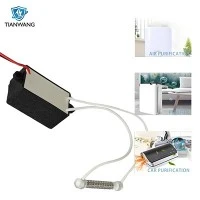
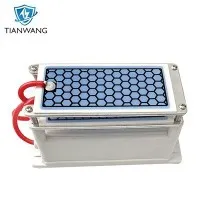
As a supplier, I can recommend some products that can help you maintain your ozonizer machine. For example, the New Material 50mg 100mg DC 12V Mini Air Purifier Ozone Generator Ionizer For Kitchen Appliances is a compact and efficient ozonizer that is suitable for small spaces. The Ceramic Ozone Plate for Air Purifier Parts 5g is a high-quality replacement part that can help improve the performance of your ozonizer machine. And the 20g Ozone Air Purifier Generator Ozone Machine is a powerful ozonizer that is suitable for larger spaces.
Contact for Procurement and Consultation
If you are interested in purchasing ozonizer machines or need more information about maintenance, please feel free to contact us. We are here to provide you with the best products and services to meet your needs.


References
- Manufacturer's instructions for ozonizer machines
- Industry standards and guidelines for ozonizer machine maintenance