Hey there, fellow fish enthusiasts! As a supplier of 12V ozone generators, I've been getting a lot of questions about how these nifty devices can affect the fish in your tank. So, I thought I'd dive into the topic and share some insights.
First off, let's talk about what ozone is. Ozone (O₃) is a highly reactive form of oxygen. It's a powerful oxidizing agent, which means it can break down and remove various contaminants. In a fish tank, it can be used to help with water purification, reduce odors, and even control algae growth. But like anything, it has its pros and cons when it comes to our finned friends.
Positive Impacts of a 12V Ozone Generator on Fish
Water Quality Improvement
One of the biggest benefits of using a 12V ozone generator in a fish tank is the improvement in water quality. Ozone can break down organic matter such as uneaten food, fish waste, and dead plant material. This reduces the levels of ammonia, nitrites, and nitrates in the water. High levels of these compounds can be toxic to fish, causing stress, illness, and even death. By keeping these levels in check, ozone helps create a healthier environment for your fish.
For example, if you have a large fish tank with a lot of fish, the amount of waste produced can quickly build up. A 12V ozone generator can help break down this waste, preventing it from fouling the water. This means your fish are less likely to be exposed to harmful substances, and they'll be happier and healthier.
Algae Control
Algae growth is a common problem in fish tanks. It can make the water look green and murky, and it can also compete with your fish for oxygen. Ozone can help control algae growth by oxidizing the organic compounds that algae need to grow. This can keep your tank looking clean and clear, and it can also improve the overall oxygen levels in the water.
Disease Prevention
Ozone has antimicrobial properties, which means it can kill bacteria, viruses, and fungi. This can help prevent the spread of diseases in your fish tank. For example, if one of your fish is sick, the ozone can help prevent the disease from spreading to the other fish. It can also help keep the tank environment free from harmful pathogens, reducing the risk of your fish getting sick in the first place.
Negative Impacts of a 12V Ozone Generator on Fish
Ozone Toxicity
While ozone can be beneficial, it can also be toxic to fish if the levels are too high. Ozone can cause damage to the gills, skin, and eyes of fish. It can also affect their respiratory and immune systems. Symptoms of ozone toxicity in fish include gasping at the surface, rapid breathing, and lethargy.
To avoid ozone toxicity, it's important to use a 12V ozone generator that has a built - in ozone controller. This will allow you to adjust the ozone output to a safe level for your fish. It's also a good idea to monitor the ozone levels in your tank regularly using an ozone test kit.
Oxygen Depletion
Ozone can react with organic matter in the water, and this reaction can consume oxygen. If the ozone levels are too high or if there is a large amount of organic matter in the tank, it can lead to oxygen depletion. Fish need oxygen to survive, and low oxygen levels can cause stress and even death.
To prevent oxygen depletion, make sure your tank has good aeration. You can use an air pump and air stones to increase the oxygen levels in the water. It's also a good idea to keep the water flow in the tank moving to ensure that oxygen is evenly distributed.
Choosing the Right 12V Ozone Generator for Your Fish Tank
When choosing a 12V ozone generator for your fish tank, there are a few things to consider. First, you need to choose a generator that is the right size for your tank. A generator that is too small won't be effective, while a generator that is too large can produce too much ozone and cause problems.
You also need to consider the features of the generator. Look for a generator that has a built - in ozone controller, so you can adjust the ozone output. Some generators also have features like timers and automatic shut - offs, which can be very useful.
Here are some of the products we offer that might be suitable for your needs:
- 10g Car Ozone Generator: This generator is not only great for cars but can also be used in small fish tanks. It has a high ozone output and is very reliable.
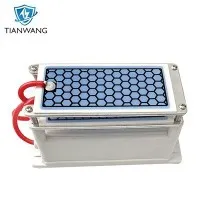
- New Material 50mg 100mg DC 12V Mini Air Purifier Ozone Generator Ionizer For Kitchen Appliances: This mini ozone generator is perfect for small fish tanks. It's compact and easy to use, and it can help improve the air and water quality in your tank.
- 12v 5g Odor Mini Car Ozone Generator: This generator is great for removing odors from your fish tank. It's small and portable, and it can be used in a variety of settings.
How to Use a 12V Ozone Generator in a Fish Tank
If you decide to use a 12V ozone generator in your fish tank, here are some steps to follow:
- Read the instructions: Make sure you read the instructions that come with your ozone generator carefully. This will help you understand how to use it safely and effectively.
- Install the generator: Install the generator according to the manufacturer's instructions. Make sure it is placed in a safe location where it won't get wet or damaged.
- Adjust the ozone output: Use the ozone controller to adjust the ozone output to a safe level for your fish. Start with a low setting and gradually increase it as needed.
- Monitor the ozone levels: Use an ozone test kit to monitor the ozone levels in your tank regularly. This will help you ensure that the ozone levels are within a safe range.
- Aerate the water: Make sure your tank has good aeration to prevent oxygen depletion. You can use an air pump and air stones to increase the oxygen levels in the water.
Conclusion
In conclusion, a 12V ozone generator can have both positive and negative impacts on fish in a fish tank. When used correctly, it can help improve water quality, control algae growth, and prevent diseases. However, it's important to be aware of the potential risks, such as ozone toxicity and oxygen depletion.


If you're interested in purchasing a 12V ozone generator for your fish tank, feel free to reach out to us. We're here to help you choose the right product for your needs and provide you with all the information you need to use it safely and effectively.
References
- Boyd, C. E., & Masser, M. P. (1992). Ozone use in aquaculture. World Aquaculture Society, 23(3), 17 - 24.
- Summerfelt, S. T., & Hochheimer, T. D. (1997). Ozone in aquaculture: a review of current applications. Journal of the World Aquaculture Society, 28(4), 397 - 420.