As a supplier of ozone equipment, I understand the importance of safety when using ozone generators. Ozone, a powerful oxidizing agent, has numerous applications, including air purification, water treatment, and odor elimination. However, it can also pose health risks if not used properly. In this blog post, I will discuss the safety precautions for using ozone equipment to ensure that you can enjoy its benefits without compromising your well - being.
Understanding Ozone and Its Risks
Ozone (O₃) is a gas composed of three oxygen atoms. It is a strong oxidant that can react with various substances, which is why it is effective in purifying air and water. However, inhaling high concentrations of ozone can cause a range of health problems. Short - term exposure to ozone can irritate the respiratory system, leading to coughing, shortness of breath, and chest pain. Prolonged or repeated exposure to high levels of ozone can cause more serious health issues, such as damage to the lungs and an increased risk of respiratory infections.
Pre - use Precautions
Read the Manual
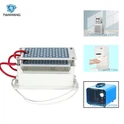
Before using any ozone equipment, it is crucial to read the user manual carefully. The manual provides detailed information about the operation, maintenance, and safety precautions specific to your ozone generator. For example, it will tell you the maximum operating time, the recommended distance from the equipment, and any special requirements for installation. Our 5g Ozone generator comes with a comprehensive manual that guides you through every step of the process.
Choose the Right Location
Select a well - ventilated area for using the ozone generator. Ozone should not be used in confined spaces without proper ventilation, as the concentration of ozone can quickly reach dangerous levels. Avoid placing the generator near heat sources, flammable materials, or electronic devices, as ozone can react with these substances and cause damage.
Check for Leaks
Inspect the ozone generator for any signs of leaks before use. A leak can lead to the release of ozone into the environment, increasing the risk of exposure. Check the hoses, connections, and seals for any cracks or damage. If you find a leak, do not use the equipment and contact our technical support team for assistance.
During - use Precautions
Limit Occupancy
Do not occupy the area where the ozone generator is operating. Ozone is harmful to humans and animals when inhaled in high concentrations. It is recommended to evacuate the room or area before turning on the ozone generator and wait for the ozone to dissipate completely before re - entering. The time required for ozone to dissipate depends on the size of the area, the concentration of ozone generated, and the ventilation rate.
Set the Appropriate Concentration and Duration
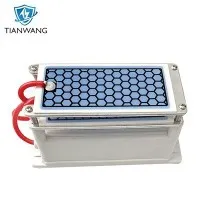
Use the ozone generator at the recommended concentration and duration. Different applications require different ozone concentrations. For example, air purification may require a lower concentration of ozone compared to water treatment. Do not exceed the maximum operating time specified in the user manual, as prolonged operation can lead to excessive ozone production. Our 10g ozone generator Cleaner Ozonizer Odor Eliminator allows you to adjust the ozone output according to your specific needs.
Monitor the Ozone Level
Use an ozone monitor to measure the ozone concentration in the area. This will help you ensure that the ozone level remains within the safe range. If the ozone level exceeds the recommended limit, turn off the ozone generator immediately and increase the ventilation in the area.
Post - use Precautions
Ventilate the Area
After using the ozone generator, ventilate the area thoroughly to remove any remaining ozone. Open windows and doors to allow fresh air to circulate. You can also use fans to speed up the ventilation process. Do not enter the area until the ozone level has dropped to a safe level.
Clean and Maintain the Equipment
Regularly clean and maintain the ozone generator to ensure its proper functioning. Follow the cleaning instructions in the user manual. Clean the filters, electrodes, and other components to prevent the buildup of dirt and debris, which can affect the performance of the generator. Our 20g Portable Ozone Generator Air Sterilizer is designed for easy maintenance, but it is still important to follow the recommended procedures.
Store the Equipment Properly
When not in use, store the ozone generator in a dry, cool place. Keep it away from moisture, dust, and direct sunlight. Make sure the power cord is properly coiled and the equipment is protected from damage.
Special Precautions for Different Applications
Air Purification
When using ozone for air purification, it is important to note that ozone is not a substitute for proper ventilation. Ozone can help remove odors and some pollutants, but it cannot replace fresh air. Do not use ozone in areas where people or animals are present, except in very low concentrations under controlled conditions.
Water Treatment
When using ozone for water treatment, ensure that the ozone is properly dissolved in the water. Use a diffuser or other appropriate equipment to ensure efficient ozone transfer. Do not drink water that has been treated with ozone until the ozone has completely decomposed, as residual ozone can be harmful.


Training and Education
Provide training to users on the safe use of ozone equipment. This includes how to operate the equipment, how to handle emergencies, and the importance of following safety precautions. Our company can offer training programs to help you and your staff use our ozone equipment safely and effectively.
Conclusion
Using ozone equipment can bring many benefits, but it is essential to take the necessary safety precautions. By following the guidelines outlined in this blog post, you can minimize the risks associated with ozone exposure and ensure the safe and effective use of our ozone generators.
If you are interested in purchasing our ozone equipment or have any questions about safety or operation, we encourage you to contact us for a detailed discussion. Our team of experts is ready to assist you in finding the right ozone solution for your needs.
References
- National Institute for Occupational Safety and Health (NIOSH). (2019). NIOSH Pocket Guide to Chemical Hazards - Ozone.
- Environmental Protection Agency (EPA). (2020). Ozone: Health and Environmental Effects.
- World Health Organization (WHO). (2018). Air Quality Guidelines - Particulate Matter, Ozone, Nitrogen Dioxide and Sulfur Dioxide.