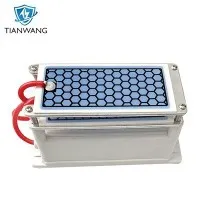
The use of home ozone generators has become a popular topic in discussions surrounding indoor air quality. As a supplier of home ozone generators, I've witnessed firsthand the widespread interest in these devices. This article aims to comprehensively explore the impact of home ozone generators on indoor air quality, offering both scientific insights and practical considerations for consumers.
Understanding Ozone and Its Properties
Ozone, a gas made up of three oxygen atoms (O₃), is a powerful oxidizing agent. Unlike the more common O₂ molecule, ozone has a distinct pale blue color and a sharp odor. In the Earth's stratosphere, ozone plays a crucial role in protecting life on the planet by absorbing harmful ultraviolet radiation from the sun. However, at ground - level, ozone is considered a pollutant when present in high concentrations.
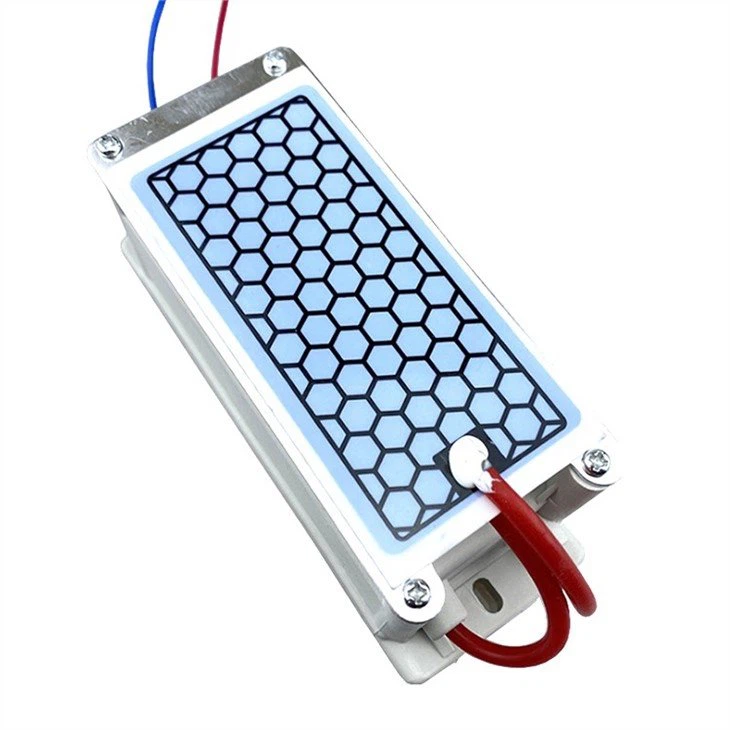
When it comes to home ozone generators, they work by producing ozone through various methods, such as corona discharge or ultraviolet light. The generated ozone is then released into the indoor environment with the intention of purifying the air.
Positive Impacts of Home Ozone Generators on Indoor Air Quality
Odor Removal
One of the primary reasons consumers purchase home ozone generators is for odor removal. Ozone's strong oxidizing properties allow it to break down odor - causing molecules. For example, in a kitchen where cooking odors can linger, or in a basement with musty smells, an ozone generator can be highly effective. The ozone reacts with the organic compounds that create these odors, transforming them into less - smelly or odorless substances. Our 5g Ozone generator is particularly suitable for small - to medium - sized rooms where odor control is a concern. It can quickly neutralize unpleasant smells, leaving the air smelling fresh.

Air Sterilization
Ozone is also known for its ability to kill bacteria, viruses, and fungi. In an indoor environment, these microorganisms can cause various health problems, from minor respiratory irritations to more serious infections. By releasing ozone into the air, home ozone generators can reduce the number of these harmful pathogens. For instance, in a home with pets, there may be a higher risk of bacteria and fungi growth. Our 20g Portable Ozone Generator Air Sterilizer can be used to sterilize the air and surfaces, helping to create a healthier living space. It is portable, allowing you to move it from one room to another as needed.
Allergen Reduction
Some allergens, such as pollen and dust mites, can trigger allergic reactions in sensitive individuals. Ozone can break down the proteins in these allergens, reducing their ability to cause an immune response. This is beneficial for people who suffer from allergies or asthma. Our 10g ozone generator Cleaner Ozonizer Odor Eliminator can be used in bedrooms or living rooms to help reduce allergen levels and improve the overall air quality for allergy sufferers.
Negative Impacts of Home Ozone Generators on Indoor Air Quality
Health Risks
Exposure to high levels of ozone can have detrimental effects on human health. Inhalation of ozone can cause irritation to the respiratory system, leading to symptoms such as coughing, shortness of breath, and chest pain. Prolonged or repeated exposure to elevated ozone levels can also damage the lungs, making them more susceptible to infections and diseases. The Environmental Protection Agency (EPA) has set strict standards for ozone levels in indoor and outdoor air, and home ozone generators have the potential to exceed these limits if not used properly.
Damage to Materials
Ozone is a powerful oxidizer, and while this property is useful for odor removal and sterilization, it can also cause damage to certain materials in the home. Fabrics, rubber, and some plastics can be degraded by ozone exposure. For example, ozone can cause rubber seals to become brittle and crack over time, and it can fade or discolor fabrics. Therefore, when using a home ozone generator, it is important to ensure that it is used in a way that minimizes contact with sensitive materials.
Factors Affecting the Impact of Home Ozone Generators
The effectiveness and potential negative impacts of home ozone generators are influenced by several factors.
Room Size
The size of the room where the ozone generator is used is crucial. A small - capacity ozone generator may not be sufficient to purify the air in a large room, while an over - powered generator in a small room can quickly raise ozone levels to dangerous heights. It is important to choose the right ozone generator based on the square footage of the room. For example, a 5g ozone generator is suitable for a small room, while a 20g generator can handle a larger area.
Usage Time
The length of time the ozone generator is operated also affects indoor air quality. Running the generator for too long can lead to high ozone concentrations, while running it for too short a period may not achieve the desired air - purification results. It is recommended to follow the manufacturer's instructions regarding usage time and to allow the ozone to dissipate before re - entering the room.
Ventilation
Proper ventilation is essential when using a home ozone generator. Good ventilation helps to disperse the ozone and prevent it from accumulating in the room. Opening windows or using fans can enhance ventilation and reduce the risk of high ozone exposure.
Best Practices for Using Home Ozone Generators
To maximize the positive impacts of home ozone generators while minimizing the negative ones, the following best practices should be followed:
- Read the Instructions: Carefully read and follow the manufacturer's instructions for your specific ozone generator. This includes information on usage time, room size compatibility, and safety precautions.
- Vacate the Room: Always leave the room when the ozone generator is in operation. Ozone is harmful to humans, so it is important to avoid exposure. Wait for the recommended period after turning off the generator to allow the ozone to dissipate before re - entering the room.
- Proper Placement: Place the ozone generator in a central location in the room for even distribution of ozone. Avoid placing it near sensitive materials or close to people's breathing zones.
- Regular Maintenance: Keep the ozone generator clean and well - maintained to ensure its optimal performance. This may include cleaning the filters or other components as recommended by the manufacturer.
Conclusion
In conclusion, home ozone generators can have both positive and negative impacts on indoor air quality. When used correctly, they can effectively remove odors, sterilize the air, and reduce allergen levels. However, improper use can lead to health risks and damage to materials in the home.
As a supplier of home ozone generators, we are committed to providing high - quality products and educating our customers on their proper use. If you are interested in improving your indoor air quality with our ozone generators, we invite you to reach out for a detailed discussion on your specific needs and how our products can best serve you.
References
- U.S. Environmental Protection Agency. "Ozone Generation Devices That Are Sold As Air Cleaners."
- World Health Organization. "Health Aspects of Ozone in the Lower Atmosphere."
- American Lung Association. "Indoor Air Quality: Ozone Generators."