Ozone generators have become increasingly popular in recent years for their ability to purify air, eliminate odors, and sterilize environments. As a supplier of ozone generator air products, I often receive questions about the ozone reaction time of these devices. In this blog post, I will delve into what ozone reaction time is, factors that affect it, and how it relates to the effectiveness of our ozone generators.
Understanding Ozone Reaction Time
Ozone reaction time refers to the duration it takes for ozone (O₃) to react with various pollutants, odors, and microorganisms in the air. Ozone is a highly reactive gas with strong oxidizing properties. When ozone comes into contact with pollutants such as volatile organic compounds (VOCs), bacteria, viruses, and mold spores, it initiates a chemical reaction that breaks down these contaminants.
The reaction time can vary significantly depending on several factors. One of the primary factors is the concentration of ozone in the air. Higher ozone concentrations generally lead to faster reaction times. However, it's important to note that ozone concentrations must be carefully controlled to ensure safety. Excessive ozone levels can be harmful to human health and may cause respiratory problems, irritation of the eyes and throat, and other adverse effects.
Another factor that affects ozone reaction time is the type and amount of pollutants present in the air. Some pollutants are more resistant to ozone oxidation than others. For example, certain VOCs may require longer reaction times to be completely broken down. Additionally, the volume of the space being treated also plays a role. Larger spaces may require more time for ozone to disperse evenly and react with all the pollutants.
Factors Affecting Ozone Reaction Time
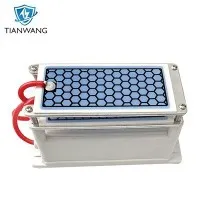
- Ozone Concentration: As mentioned earlier, the concentration of ozone in the air is a crucial factor in determining the reaction time. Our ozone generators are designed to produce ozone at different concentrations to meet the specific needs of various applications. For example, our 20g Portable Ozone Generator Air Sterilizer is capable of producing a relatively high concentration of ozone, which can significantly reduce the reaction time when treating large spaces or areas with high levels of pollutants.
- Pollutant Type and Concentration: Different pollutants have different reaction rates with ozone. For instance, bacteria and viruses are generally more susceptible to ozone oxidation compared to some VOCs. The concentration of pollutants in the air also affects the reaction time. Higher pollutant concentrations may require more ozone and a longer reaction time to achieve effective purification.
- Temperature and Humidity: Temperature and humidity can also influence the ozone reaction time. Higher temperatures generally increase the reaction rate, while lower temperatures may slow it down. Humidity can affect the stability of ozone and its ability to react with pollutants. In general, a moderate level of humidity is optimal for ozone reactions.
- Air Circulation: Adequate air circulation is essential for ensuring that ozone is evenly distributed throughout the space and comes into contact with all the pollutants. Poor air circulation can lead to uneven ozone distribution and longer reaction times. Our ozone generators are designed to work in conjunction with proper air circulation systems to maximize their effectiveness.
How Ozone Reaction Time Relates to the Effectiveness of Our Ozone Generators
The ozone reaction time is directly related to the effectiveness of our ozone generators. A shorter reaction time means that the ozone can quickly break down pollutants and eliminate odors, resulting in cleaner and fresher air. Our ozone generators are engineered to optimize the ozone reaction time by producing the right amount of ozone and ensuring proper air circulation.
For example, our 5g Ozone generator is ideal for small to medium-sized spaces. It produces a moderate amount of ozone that can effectively react with pollutants in a relatively short time. On the other hand, our 10g ozone generator Cleaner Ozonizer Odor Eliminator is suitable for larger spaces or areas with more severe pollution problems. It can produce a higher concentration of ozone to speed up the reaction time and achieve better purification results.
Practical Considerations for Using Ozone Generators
When using ozone generators, it's important to follow some practical guidelines to ensure safety and effectiveness. First, it's crucial to read and follow the manufacturer's instructions carefully. This includes setting the appropriate ozone concentration and running time based on the size of the space and the level of pollution.
It's also important to note that ozone generators should not be used in occupied spaces. Ozone can be harmful to human health, especially at high concentrations. Therefore, it's recommended to leave the room during the ozone treatment and allow sufficient time for the ozone to dissipate before re - entering.


In addition, regular maintenance of the ozone generator is essential to ensure its optimal performance. This includes cleaning the device regularly and replacing any worn - out parts.
Conclusion
In conclusion, understanding the ozone reaction time is crucial for using ozone generators effectively. By considering factors such as ozone concentration, pollutant type and concentration, temperature, humidity, and air circulation, we can optimize the reaction time and achieve better air purification results.
As a supplier of ozone generator air products, we are committed to providing high - quality ozone generators that are safe, efficient, and reliable. Our products are designed to meet the diverse needs of our customers, whether it's for residential, commercial, or industrial applications.
If you are interested in purchasing our ozone generators or have any questions about ozone reaction time and its applications, please feel free to contact us for a detailed discussion. We look forward to working with you to create a cleaner and healthier environment.
References
- National Institute for Occupational Safety and Health (NIOSH). (2018). Ozone. Retrieved from [NIOSH website].
- World Health Organization (WHO). (2016). Air quality guidelines. Geneva: World Health Organization.
- American Society of Heating, Refrigerating and Air - Conditioning Engineers (ASHRAE). (2019). Standard 62.1 - 2019: Ventilation for acceptable indoor air quality.