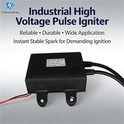
The electric fence pulse transformer is a crucial component in electric fencing systems, with a broad range of applications across various settings. Here are the application areas for electric fence pulse transformers:
Agricultural Sector: Electric fence pulse transformers are extensively used in agriculture to protect crops, pastures, and livestock farms. They help farmers effectively prevent wildlife encroachment, safeguard crops from damage, and ensure the safety of the livestock industry.
Residential and Security Sector: In residential areas, communities, and parks, electric fence pulse transformers provide additional security protection. They help prevent intruders from entering private properties, thereby protecting the residents and their possessions.
Industrial and Commercial Sector: In industrial and commercial sites, electric fence pulse transformers are used to protect facilities such as factories, warehouses, and office buildings. They assist in preventing theft, vandalism, and unauthorized entry, ensuring the smooth operation and security of business assets.
Military and Governmental Sector: Electric fence pulse transformers are employed at military bases, governmental institutions, and other sensitive areas. They help enhance the security of these areas, preventing unauthorized access and potential threats.
Wildlife Conservation Sector: Electric fence pulse transformers are also used in wildlife conservation areas and zoos to protect animals from external threats. They help ensure the safety of animals and the integrity of their habitats.
Transport and Infrastructure Sector: In highways, railways, airports, and other transport infrastructure, electric fence pulse transformers are utilized to secure these critical facilities. They help prevent illegal intrusions and acts of vandalism, ensuring smooth and safe traffic flow.

When selecting an electric fence pulse transformer, it is important to consider the following features:
Output Voltage: This is a key characteristic of the step up transformer, typically measured in volts (V). The output voltage needs to be high enough to effectively drive the electric fence line while also adhering to safety standards.
Output Energy: The output energy is usually measured in joules (J) or volt-ampere seconds (VAS). This parameter determines the amount of pulse energy the transformer can deliver to the electric fence.
Pulse Frequency: Pulse frequency determines the rate at which pulses are generated, typically measured in hertz (Hz). A higher pulse frequency can enhance the efficacy of the electric fence.
Pulse Width: Pulse width refers to the duration of each pulse, usually measured in microseconds (μs). An appropriate pulse width can provide optimal performance of the electric fence.
Power Consumption: Power consumption refers to the electrical energy consumed by the transformer during operation, typically measured in watts (W). Lower power consumption can help save energy.
Weather Resistance: For electric fence pulse transformers used outdoors, weather resistance is an important consideration. This includes resistance to temperature, humidity, ultraviolet light, and other environmental factors.
Safety Features: Including overload protection, short-circuit protection, and lightning protection. These features help protect the transformer and electric fence system from damage.
Choosing a pulse transformer with the right combination of these features is essential for ensuring effective, safe, and energy-efficient operation of your electric fence system.