While electric ovens utilize electricity to provide the necessary heat to cook food, gas ovens make use of natural gas or propane. This fundamental difference between the two can have an effect on how the oven operates and how it is used. Gas ovens and electric ovens are two common types of home cooking appliances. While they may share some similarities, they differ significantly in terms of their ignition systems.
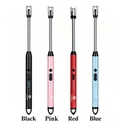
Gas ovens use a gas igniter to light the oven's burner, while electric ovens use an ignition transformer to ignite the heating elements. Here, we will discuss the differences between these two types of ignition systems. A gas oven igniter is responsible for lighting the gas that heats the oven. It uses a small electrical current to create a spark, which ignites the gas and starts the burner. The electronic igniter is typically located near the oven burner and operates on 120 volts of electricity. Once the electronic igniter has lit the gas, it continues to operate until the oven reaches the desired temperature, then the thermostat turns off the burner and electronic igniter.

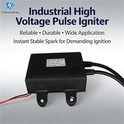
An electric oven ignition transformer is used to ignite the heating element in the oven. It takes low voltage electrical power from the oven's control circuitry and converts it into high voltage electrical energy. This high voltage electricity is then used to produce a spark across the oven's heating element, which ignites it and allows the oven to start heating up. The electric oven ignition transformer typically consists of a core made of magnetic material with two sets of windings wrapped around it. The primary winding is connected to the low voltage source, while the secondary winding delivers high voltage output. The ignition transformer also includes a high-voltage electrode, which creates an electrical arc that ignites the heating element. Additionally, the ignition transformer is designed to provide the necessary high voltage with minimal loss of electrical energy, whereas the gas igniter requires a continuous flow of gas to maintain the flame. In conclusion, both gas ovens and electric ovens require an ignition system to start the cooking process. Gas ovens use a gas igniter, while electric ovens use an ignition transformer. Understanding the differences between these two types of ignition systems can help you better appreciate the unique features of each type of oven and make informed decisions when choosing the right appliance for your home.

FAQ:
Q: What is an oven igniter?
A: An oven igniter is an operating component in a gas or electric oven that helps to start the heating process. The igniter typically operates on an electrical supply and produces a spark that ignites the gas or heating element.
Q: How does oven igniter work?
A: An oven igniter works by converting low voltage electrical power from an oven's control circuitry into high voltage electrical energy. This high voltage electricity is then used to produce a spark across the oven's heating element or gas igniter which ignites it and allows the oven to start heating up.
Q: What are the common signs of a faulty oven igniter?
A: Signs of a faulty oven igniter include a lack of heat or low heat output, a hard-to-ignite gas burner, a glowing element that doesn't light up, or a gas smell.
Q: Can a faulty oven igniter be repaired?
A: In most cases, a faulty oven igniter cannot be repaired and will need to be replaced. It is recommended to leave the replacement to a professional, as oven igniter replacement can be a challenging and delicate task.
Q: How can I prolong the lifespan of an oven igniter?
A: To prolong the lifespan of an oven igniter, it is recommended to keep the oven clean, avoid slamming the oven door, and avoid using harsh cleaning agents that can damage the igniter. Additionally, following the manufacturer's recommended maintenance schedule can help prevent issues with the oven igniter.
Q: Can I replace an oven igniter myself?
A: Replacing an oven igniter is a potentially dangerous task, and it is advisable to leave the replacement to a professional. If an oven igniter is not installed correctly, it may pose a safety hazard or risk damaging the oven.