As a supplier of gas stove igniters, I've often been asked about the energy efficiency of these essential components. Gas stove igniters play a crucial role in our daily cooking routines, yet their energy consumption and efficiency are topics that don't always get the attention they deserve. In this blog, I'll delve into the science behind gas stove igniters and explore whether they are truly energy - efficient.
How Gas Stove Igniters Work
Before we can assess the energy efficiency of gas stove igniters, it's important to understand how they function. There are several types of gas stove igniters, but the most common ones are piezoelectric igniters and electronic igniters.
Piezoelectric igniters work on the principle of the piezoelectric effect. When a mechanical force is applied to a piezoelectric crystal, it generates an electric charge. This charge is then used to create a spark that ignites the gas. These igniters are simple and reliable, and they don't require an external power source. They are often found in older gas stoves and portable gas appliances.
On the other hand, electronic igniters use electrical energy from a battery or a household power supply. They generate a continuous or intermittent spark to ignite the gas. Electronic igniters are more commonly used in modern gas stoves because they offer more consistent ignition and can be integrated with other features such as automatic shut - off and flame failure protection.
Energy Consumption of Different Igniters
Let's start with piezoelectric igniters. Since they don't rely on an external power source, their energy consumption is essentially zero. The only energy input comes from the mechanical force applied by the user when they press the ignition button. This force is typically very small and doesn't contribute significantly to overall energy usage. In terms of energy efficiency, piezoelectric igniters are highly efficient because they convert mechanical energy directly into electrical energy for ignition, with minimal energy loss.
Electronic igniters, however, do consume electrical energy. The amount of energy they use depends on several factors, such as the type of power source (battery or mains), the ignition frequency, and the design of the igniter. Battery - powered electronic igniters draw energy from the battery every time they are used to create a spark. The energy consumption of these igniters is relatively low, but over time, the batteries need to be replaced, which can add to the long - term cost and environmental impact.
Mains - powered electronic igniters are connected to the household electrical grid. They usually consume a small amount of standby power even when the stove is not in use. When the ignition process starts, they draw more power to generate the spark. The energy consumption during the ignition process is typically short - lived, but if the igniter malfunctions and keeps generating sparks, it can lead to unnecessary energy waste.
Factors Affecting Energy Efficiency
The energy efficiency of gas stove igniters can be influenced by various factors. One of the key factors is the ignition time. A well - designed igniter should be able to ignite the gas quickly and reliably. If an igniter takes a long time to create a spark or fails to ignite the gas on the first try, it will consume more energy. This is because the gas continues to flow while the igniter is trying to create a spark, and the igniter itself keeps using energy to generate the spark.
The quality of the igniter also plays a significant role in energy efficiency. High - quality igniters are designed to optimize the spark generation process, reducing energy waste. They use advanced materials and technologies to ensure that the spark is strong enough to ignite the gas with minimal energy input. For example, some modern electronic igniters use pulse ignition technology, which generates a series of short, high - energy sparks. This method is more energy - efficient than continuous spark ignition because it uses less energy to create a reliable ignition.
Another factor is the maintenance of the igniter. Over time, igniters can become dirty or damaged, which can affect their performance and energy efficiency. For instance, if the electrodes of an electronic igniter are covered with grease or debris, the spark may be weaker, and the igniter may need to use more energy to ignite the gas. Regular cleaning and maintenance of the igniter can help to keep it operating at peak efficiency.
Energy - Efficient Igniter Options
As a gas stove igniter supplier, I offer a range of energy - efficient igniters to meet the needs of different customers. For example, our Roast Poultry Gas Oven Pulse Ignitor uses pulse ignition technology. This igniter is designed to provide a quick and reliable ignition, consuming less energy compared to traditional continuous spark igniters. It is suitable for gas ovens used in roasting poultry and other large - scale cooking applications.
Our 10KV Steam Boiler Ignition Transformer Burner Igniter Spare Parts Accessories is another energy - efficient option. This igniter is specifically designed for steam boilers, where reliable ignition is crucial. It uses high - voltage technology to generate a strong spark with minimal energy input, ensuring efficient and safe operation of the boiler.
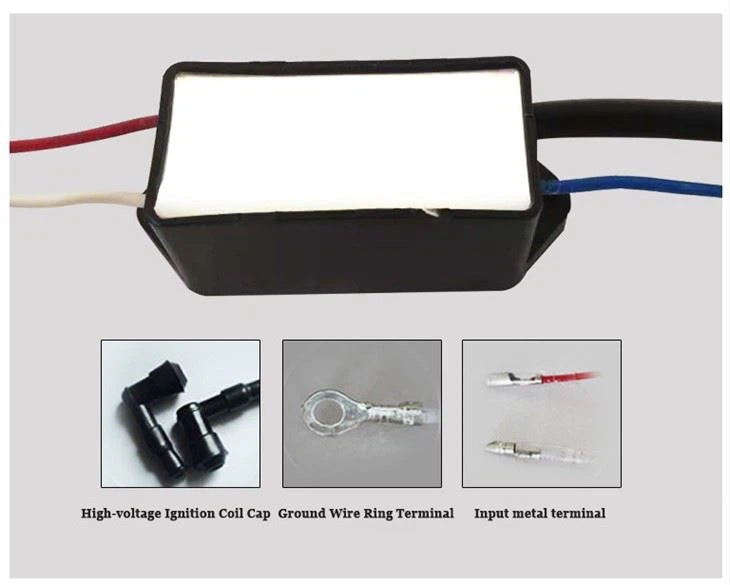
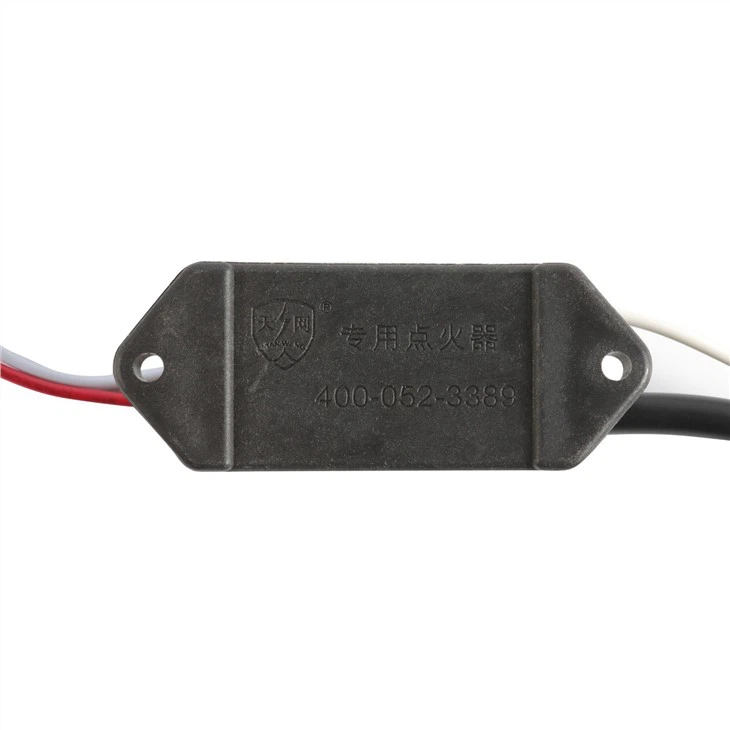
For general household gas stoves, our 12v General Electronic Gas Stove Igniter is a popular choice. It is powered by a 12 - volt power source and offers consistent ignition performance. The design of this igniter is optimized to reduce energy consumption during the ignition process, making it an energy - efficient solution for daily cooking needs.
Conclusion
In conclusion, the energy efficiency of gas stove igniters varies depending on the type, design, and usage. Piezoelectric igniters are highly energy - efficient because they don't require an external power source. Electronic igniters, while they do consume some electrical energy, can also be energy - efficient if they are well - designed and properly maintained.
When choosing a gas stove igniter, it's important to consider factors such as ignition time, quality, and energy consumption. By selecting an energy - efficient igniter, you can not only save on energy costs but also reduce your environmental impact.
If you are interested in our range of energy - efficient gas stove igniters, I encourage you to contact us for more information and to discuss your specific requirements. We are committed to providing high - quality, energy - efficient igniters that meet the needs of our customers.
References
- "Principles of Gas Appliance Ignition Systems" by Gas Appliance Manufacturers Association
- "Energy Efficiency in Household Appliances" by International Energy Agency