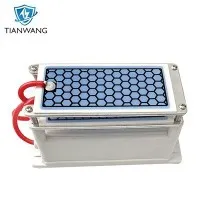
As a supplier of high voltage coils, I often encounter questions from customers about the safety of these products. The topic of whether high voltage coils are dangerous is a complex one that requires a detailed exploration. In this blog, I'll delve into the science behind high voltage coils, the potential risks they pose, and how to handle them safely.
Understanding High Voltage Coils
High voltage coils are essential components in many electrical and electronic systems. They work on the principle of electromagnetic induction, where a changing magnetic field induces an electromotive force (EMF) in a coil of wire. This can step up the voltage from a lower input level to a much higher output level.


For instance, in an ignition system, a High Voltage Transformer For Ignition System takes a low - voltage electrical signal and transforms it into a high - voltage spark. This spark is then used to ignite the fuel - air mixture in an engine, whether it's in a car, a small generator, or an industrial machine.
Similarly, a 24V car high voltage ignition coil is specifically designed for automotive applications. It operates on a 24 - volt input from the car's battery and generates a high - voltage pulse to fire the spark plugs, ensuring proper combustion and engine performance.
Another application is the High Voltage Ignition Transformer For Water Heater. In a water heater, this coil creates a high - voltage spark to ignite the gas burner, initiating the heating process.
The Potential Dangers of High Voltage Coils
The main danger associated with high voltage coils lies in the high voltage they produce. High voltage can cause electric shock, which can range from a mild tingle to a life - threatening event. When a person comes into contact with a high - voltage source, the electrical current can disrupt the normal functioning of the body's nervous system and heart.
Even a small amount of current passing through the heart can cause ventricular fibrillation, a condition where the heart beats in an irregular and ineffective way. This can lead to cardiac arrest if not treated immediately. Additionally, high - voltage shocks can cause burns, both externally and internally. The heat generated by the electrical current can damage tissues and organs, leading to serious injuries.
Another risk is the possibility of electrical arcing. When the voltage is high enough, the air between two conductors can break down and form an electrical arc. This arc can be extremely hot and can cause fires or explosions if it comes into contact with flammable materials. For example, in an industrial setting where there may be combustible gases or liquids, a high - voltage arc from a faulty coil could trigger a catastrophic event.
Safety Measures for High Voltage Coils
However, it's important to note that high voltage coils are not inherently dangerous if they are used and maintained properly. Here are some safety measures that should be followed:
Installation
- Proper Grounding: High voltage coils should be properly grounded to prevent the build - up of static electricity and to provide a safe path for electrical current in case of a fault. Grounding helps to divert the electrical energy away from the user and into the earth.
- Insulation: The coils should be installed in well - insulated enclosures to prevent accidental contact with the high - voltage components. The insulation materials should be rated for the specific voltage and environmental conditions of the application.
Operation
- Training: Only trained personnel should operate high voltage equipment. They should be familiar with the proper procedures for starting, stopping, and maintaining the equipment. Training should also include emergency response procedures in case of an electrical accident.
- Use of Personal Protective Equipment (PPE): Operators should wear appropriate PPE, such as insulated gloves, safety glasses, and protective clothing. This equipment helps to reduce the risk of electric shock and burns.
Maintenance
- Regular Inspections: High voltage coils should be inspected regularly for signs of damage, such as cracks in the insulation, loose connections, or signs of overheating. Any damaged components should be replaced immediately.
- Testing: Periodic electrical testing should be conducted to ensure that the coils are operating within their specified parameters. This can help to detect potential problems before they become serious.
Our Commitment as a Supplier
As a high voltage coil supplier, we are committed to providing our customers with safe and reliable products. We use high - quality materials and advanced manufacturing processes to ensure that our coils meet the highest safety standards.
Our products undergo rigorous testing before they are shipped to customers. We test for electrical performance, insulation resistance, and temperature rise to ensure that they are safe and efficient. Additionally, we provide detailed installation and maintenance instructions with each product to help our customers use them safely.
We also offer technical support to our customers. If they have any questions or concerns about the safety or operation of our high voltage coils, our team of experts is available to provide assistance.
Conclusion
In conclusion, high voltage coils can be dangerous if not used and maintained properly. However, with the right safety measures in place, the risks can be significantly reduced. As a supplier, we are dedicated to providing our customers with safe and high - quality products, as well as the support they need to use them effectively.
If you are in the market for high voltage coils for your application, whether it's for an ignition system, a car, or a water heater, we invite you to contact us for more information. We can help you select the right product for your needs and provide you with all the necessary guidance on safety and installation. Let's work together to ensure a safe and efficient electrical system.
References
- Electrical Safety Foundation International. (n.d.). Electrical Safety Basics.
- National Fire Protection Association. (n.d.). NFPA 70: National Electrical Code.
- Occupational Safety and Health Administration. (n.d.). Electrical Safety Standards.