Ozone air purifiers have gained significant attention in recent years for their potential to improve indoor air quality. One of the most pressing concerns for many homeowners and businesses is the presence of mold in the air. Mold spores can cause various health issues, including allergies, respiratory problems, and even more severe conditions in some cases. As a leading ozone air purifier supplier, we often receive questions about the effectiveness of our products against airborne mold. In this blog, we will delve into the science behind ozone air purifiers and their impact on mold in the air.
Understanding Mold and Its Risks
Mold is a type of fungus that thrives in damp, moist environments. It releases tiny spores into the air, which can be easily inhaled. Once these spores enter the respiratory system, they can trigger allergic reactions, asthma attacks, and other health problems. In addition to health risks, mold can also cause structural damage to buildings over time.
Mold growth can occur in various areas of a home or building, such as basements, bathrooms, kitchens, and areas with water damage. Identifying and addressing mold issues promptly is crucial to prevent further spread and protect the health of occupants.


How Ozone Works Against Mold
Ozone (O₃) is a powerful oxidizing agent. When it comes into contact with mold spores, ozone reacts with the organic compounds in the mold cells. This reaction, known as oxidation, breaks down the chemical structure of the mold. As a result, the mold spores are either killed or rendered inactive, reducing the overall concentration of mold in the air.
Ozone can also eliminate the musty odor often associated with mold infestations. The odor is caused by volatile organic compounds (VOCs) released by the mold. Ozone oxidizes these VOCs, neutralizing the unpleasant smell.
The Effectiveness of Ozone Air Purifiers Against Mold
Numerous scientific studies have explored the use of ozone for mold remediation. These studies have shown that ozone can be highly effective in reducing mold levels in indoor environments when used correctly.
However, the effectiveness of an ozone air purifier depends on several factors. One of the most important factors is the concentration of ozone generated. Higher concentrations of ozone are generally more effective at killing mold spores, but it is crucial to ensure that the ozone levels remain within safe limits. Prolonged exposure to high levels of ozone can be harmful to humans and pets, causing respiratory irritation, coughing, and other health problems.
Another factor is the duration of ozone treatment. Longer treatment times can lead to more thorough mold removal. However, it is important to note that people and pets should not be present in the treated area during ozone treatment due to the potential health risks.
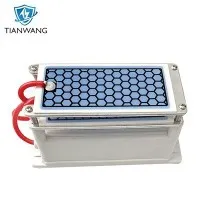
The size of the space also plays a role in the effectiveness of ozone air purifiers. Larger spaces may require more powerful ozone generators to achieve the desired results. Our company offers a range of ozone air purifiers with different ozone output capacities to meet the needs of various spaces. For example, the 10g ozone generator Cleaner Ozonizer Odor Eliminator is suitable for medium-sized rooms, while the 20g Portable Ozone Generator Air Sterilizer can handle larger areas.
Advantages of Using Ozone Air Purifiers for Mold Removal
- Chemical - Free Solution: Ozone is a natural substance that does not leave behind any chemical residues. This makes it an environmentally friendly option for mold removal.
- Penetrating Power: Ozone gas can penetrate into hard - to - reach areas, such as cracks and crevices, where mold may be hiding. This makes it more effective than some traditional mold removal methods that may only target visible mold.
- Odor Elimination: In addition to killing mold spores, ozone can effectively eliminate the musty odor associated with mold, leaving the air smelling fresh and clean.
Limitations and Safety Considerations
While ozone air purifiers can be effective against mold, it is important to use them with caution. As mentioned earlier, high levels of ozone can be harmful to human health. Therefore, it is essential to follow the manufacturer's instructions carefully when using ozone air purifiers.
It is also important to note that ozone air purifiers are not a substitute for proper moisture control. If the underlying cause of mold growth, such as a water leak or high humidity, is not addressed, mold may return even after ozone treatment.
Choosing the Right Ozone Air Purifier
When selecting an ozone air purifier for mold removal, consider the size of the area you need to treat, the level of mold contamination, and the ozone output capacity of the device. Our company offers a variety of ozone air purifiers to suit different needs. For smaller spaces or light mold problems, the 5g Ozone generator may be sufficient. For more severe cases or larger areas, the higher - capacity models like the 10g or 20g ozone generators are recommended.
Conclusion
In conclusion, ozone air purifiers can be an effective tool for reducing mold in the air. Their ability to oxidize mold spores and eliminate odors makes them a popular choice for many homeowners and businesses. However, it is crucial to use them safely and in conjunction with proper moisture control measures.
If you are facing mold issues in your indoor environment and are considering an ozone air purifier, we are here to help. Our team of experts can provide you with detailed information about our products and assist you in choosing the right ozone air purifier for your needs. Contact us today to start the procurement process and take the first step towards a mold - free indoor environment.
References
- American Society of Heating, Refrigerating and Air - Conditioning Engineers (ASHRAE). "Mold Assessment and Remediation in Commercial Buildings."
- National Institute for Occupational Safety and Health (NIOSH). "Ozone: A Special Health Hazard in the Workplace."
- Environmental Protection Agency (EPA). "Mold Remediation in Schools and Commercial Buildings."