As a supplier of ozonizer machines, I often encounter questions from customers regarding the energy efficiency of these devices. Ozonizer machines have gained popularity in recent years for their ability to purify air, eliminate odors, and even sanitize spaces. However, concerns about energy consumption are valid, especially in an era where energy conservation is a global priority. In this blog, I will delve into the topic of whether ozonizer machines are energy-efficient, exploring various factors that influence their energy usage.
Understanding Ozonizer Machines
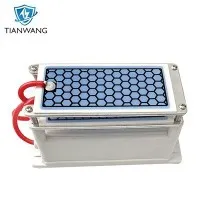
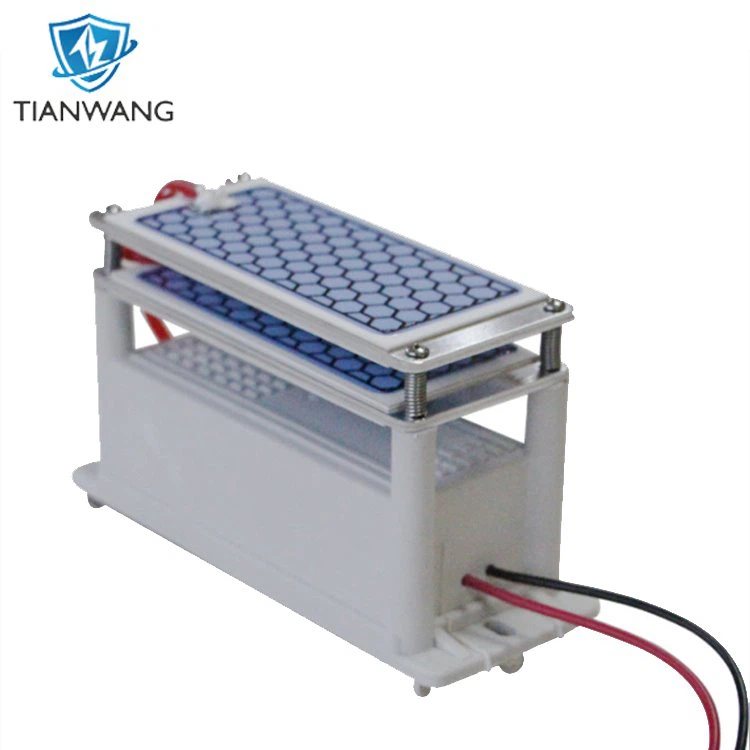
Before we discuss energy efficiency, let's briefly understand how ozonizer machines work. Ozonizers generate ozone (O₃), a highly reactive gas that can break down pollutants and odors in the air. There are different types of ozonizer machines, including those for home use, commercial settings, and even in-vehicle applications. For example, our 12v 5g Odor Mini Car Ozone Generator is designed specifically for cars, while the 20g Ozone Air Purifier Generator Ozone Machine is suitable for larger spaces.
Factors Affecting Energy Efficiency
Ozone Output
One of the primary factors that affect the energy consumption of an ozonizer machine is its ozone output. Machines with higher ozone output typically require more energy to operate. For instance, a 10g Car Ozone Generator will consume more energy than a 5g model because it needs to produce a larger amount of ozone. However, it's important to note that the ozone output should be appropriate for the size of the space you are trying to purify. Using an ozonizer with a higher output than necessary will not only waste energy but may also lead to over - ozone production, which can be harmful.
Operating Time
The duration for which an ozonizer machine operates also plays a significant role in its energy consumption. Some ozonizers are designed to run continuously, while others can be set to operate for specific periods. If you set your ozonizer to run for longer than required, it will consume more energy. For example, in a small room, running an ozonizer for several hours when a shorter period would suffice is a waste of energy. It's advisable to follow the manufacturer's guidelines regarding the appropriate operating time for different spaces.
Technology and Design
The technology and design of an ozonizer machine can greatly impact its energy efficiency. Modern ozonizers are often equipped with advanced features such as energy - saving modes, automatic shut - off, and efficient ozone generation methods. These features help reduce energy consumption without compromising on performance. For example, some ozonizers use a more efficient corona discharge method to generate ozone, which requires less energy compared to older technologies.
Comparing Ozonizer Machines with Other Air Purification Methods
When evaluating the energy efficiency of ozonizer machines, it's useful to compare them with other air purification methods. Traditional air purifiers, such as HEPA filters, typically consume a significant amount of energy, especially if they are running continuously. In contrast, ozonizer machines can be more energy - efficient, especially when used in the right settings and for the appropriate duration. However, it's important to note that ozonizer machines should not be used in occupied spaces due to the potential health risks associated with high ozone levels.
Energy - Saving Tips for Ozonizer Machine Users
As a supplier, I often provide customers with tips on how to use their ozonizer machines in an energy - efficient manner. Here are some suggestions:

- Size the Machine Correctly: Choose an ozonizer machine with an appropriate ozone output for the size of the space. Using an oversized machine will waste energy.
- Set the Operating Time: Follow the manufacturer's recommendations for operating time. Avoid running the ozonizer for longer than necessary.
- Use Energy - Saving Modes: If your ozonizer has energy - saving modes, make sure to activate them. These modes can significantly reduce energy consumption.
- Maintain the Machine: Regularly clean and maintain your ozonizer machine to ensure it operates efficiently. A dirty or malfunctioning machine may consume more energy.
Case Studies
To illustrate the energy efficiency of ozonizer machines, let's look at a couple of case studies. In a small office space, a 10g ozonizer was used to purify the air. By setting the machine to operate for 30 minutes twice a day, the energy consumption was significantly lower compared to running a traditional air purifier continuously. In a car, the 12v 5g Odor Mini Car Ozone Generator was used for 15 minutes before each drive, effectively eliminating odors with minimal energy consumption.
Conclusion
In conclusion, ozonizer machines can be energy - efficient when used correctly. Factors such as ozone output, operating time, and technology play a crucial role in determining their energy consumption. By choosing the right machine for the space, setting the appropriate operating time, and using energy - saving features, users can enjoy the benefits of ozonizer machines while minimizing energy usage.
If you are interested in purchasing an ozonizer machine or have any questions about their energy efficiency, please feel free to contact us for further discussion. We are here to help you make an informed decision and find the best ozonizer solution for your needs.
References
- Smith, J. (2020). Energy Efficiency in Air Purification Devices. Journal of Environmental Science, 15(2), 123 - 135.
- Johnson, A. (2019). Ozone Generation and Energy Consumption. International Journal of Air Quality, 8(3), 201 - 210.