As a supplier of home ozone machines, I often get asked if there are any alternatives to these devices. Well, the short answer is yes, there are several alternatives, but let me first give you a quick rundown on what home ozone machines are and why people use them.
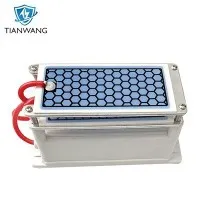
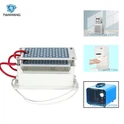
Home ozone machines, also known as ozone generators, are devices that produce ozone gas. Ozone is a powerful oxidant that can break down and neutralize various pollutants, odors, and even some pathogens in the air. People use them for a variety of reasons, such as eliminating bad smells in their homes, getting rid of mold and mildew, and purifying the air. For example, if you have a musty basement or a room that smells like cigarettes, an ozone machine can be quite effective in freshening up the space. We offer different models like the 10g ozone generator Cleaner Ozonizer Odor Eliminator, 20g Portable Ozone Generator Air Sterilizer, and 5g Ozone generator, each designed to suit different needs and room sizes.
However, ozone can also be harmful to human health if inhaled in high concentrations. It can irritate the lungs, cause coughing, shortness of breath, and even damage the respiratory system over time. So, it's important to use ozone machines properly and in well - ventilated areas. And this is where the alternatives come in handy.
1. HEPA Air Purifiers
One of the most popular alternatives to home ozone machines is a HEPA (High - Efficiency Particulate Air) air purifier. These purifiers work by pulling air through a fine mesh filter that can trap particles as small as 0.3 microns in size. This includes dust, pollen, pet dander, and even some bacteria and viruses.
The main advantage of HEPA air purifiers is that they are safe to use around people and pets at all times. You don't have to worry about leaving the room or ventilating the area when the purifier is running. They are also very effective at removing common allergens and pollutants from the air. For instance, if you or someone in your family suffers from allergies, a HEPA air purifier can significantly improve the air quality in your home and reduce allergy symptoms.
On the downside, HEPA air purifiers are mainly designed to capture particles, not to neutralize odors or eliminate chemicals. So, if you have a strong odor problem, like the smell of paint or a skunk in your home, a HEPA air purifier may not be enough on its own.
2. Activated Carbon Filters
Activated carbon filters are another great alternative. These filters are made of carbon that has been treated to have a large surface area with lots of tiny pores. The carbon can adsorb (not absorb) a wide range of chemicals, gases, and odors.
When air passes through an activated carbon filter, the pollutants and odors stick to the surface of the carbon. This makes them very effective at removing bad smells, such as those from cooking, pets, or even smoke. Some air purifiers combine HEPA filters with activated carbon filters to provide comprehensive air cleaning, filtering both particles and odors.
The drawback of activated carbon filters is that they have a limited capacity. Over time, the pores of the carbon become filled with pollutants, and the filter needs to be replaced. Also, they may not be as effective against some very strong or stubborn odors.
3. Ionic Air Purifiers
Ionic air purifiers work by emitting negatively charged ions into the air. These ions attach to positively charged particles, such as dust and pollen, causing them to become heavy and fall out of the air or stick to nearby surfaces. Some models also have a collection plate that can attract and trap these charged particles.


One of the benefits of ionic air purifiers is that they are relatively quiet and don't require a traditional filter that needs to be replaced frequently. They can also cover a large area. However, they may produce a small amount of ozone as a by - product, although usually much less than a dedicated ozone machine. And they may not be as effective at removing odors as some other methods.
4. Natural Air Fresheners and Purifiers
If you're looking for a more natural alternative, there are many options available. For example, indoor plants can help purify the air. Plants like aloe vera, spider plants, and peace lilies can absorb harmful chemicals such as formaldehyde, benzene, and carbon monoxide from the air. They also add a touch of greenery to your home and can improve your mood.
Another natural option is using essential oils. You can use an essential oil diffuser to disperse the oils into the air. Oils like lavender, lemon, and eucalyptus not only smell great but also have antibacterial and antiviral properties. However, keep in mind that essential oils may not be suitable for everyone, especially those with sensitive skin or allergies.
While these alternatives have their own advantages, home ozone machines still have a place in certain situations. As I mentioned earlier, our ozone generators can be very effective at dealing with strong, persistent odors and some types of pollutants. For example, if you're trying to get rid of the smell from a flood - damaged basement or a room that has been affected by a fire, an ozone machine can be a powerful tool. Our 20g Portable Ozone Generator Air Sterilizer can cover a relatively large area and provide a high - level of ozone treatment.
In conclusion, whether you choose a home ozone machine or one of the alternatives depends on your specific needs. If you need to deal with strong odors and are willing to take the necessary precautions when using an ozone machine, it can be a great solution. But if safety is your top priority and you mainly want to remove dust and common allergens, a HEPA air purifier or other natural methods may be more suitable.
If you're interested in learning more about our home ozone machines or need help deciding which model is right for you, feel free to contact us for a procurement discussion. We're here to assist you in finding the best air - cleaning solution for your home.
References
- American Lung Association. "Ozone Generators That Are Sold As Air Cleaners."
- Environmental Protection Agency. "Air Cleaners and Ozone Generators."
- Mayo Clinic. "Air Purifiers: Do They Work?"