As a supplier of ozone generators, I often encounter questions from customers regarding the potential side - effects of long - term exposure to ozone produced by our generators. Ozone, a molecule composed of three oxygen atoms (O₃), is a powerful oxidant with a wide range of applications, including air purification, water treatment, and odor elimination. However, like any chemical substance, it is important to understand its properties and potential impacts on human health and the environment.
The Basics of Ozone and Ozone Generators
Ozone generators work by producing ozone through electrical discharge or ultraviolet (UV) light. In electrical discharge ozone generators, high - voltage electricity is passed through oxygen molecules, causing some of them to split and recombine into ozone. UV - based ozone generators use ultraviolet light to break apart oxygen molecules and form ozone.
Our company offers a variety of ozone generators, such as the 10g ozone generator Cleaner Ozonizer Odor Eliminator, the 5g Ozone generator, and the 20g Portable Ozone Generator Air Sterilizer. These products are designed to meet different needs, from small - scale home use to industrial applications.
Positive Effects of Ozone
Before delving into the potential side - effects, it's worth highlighting the many benefits of ozone. Ozone is an effective disinfectant and can kill bacteria, viruses, and fungi. In air purification, it helps to remove odors, smoke, and harmful pollutants. For water treatment, ozone can break down organic compounds and improve water quality. In industrial settings, ozone is used in processes such as food preservation and textile bleaching.
Potential Side - Effects of Long - Term Ozone Exposure
Respiratory Effects
One of the most well - documented side - effects of long - term ozone exposure is on the respiratory system. Ozone is a highly reactive gas, and when inhaled, it can irritate the lining of the lungs. Short - term exposure to high levels of ozone can cause coughing, shortness of breath, and chest pain. In the long run, continuous exposure to elevated ozone levels can lead to more serious respiratory problems, including reduced lung function, increased susceptibility to respiratory infections, and the development of chronic obstructive pulmonary disease (COPD).
Studies have shown that people with pre - existing respiratory conditions, such as asthma, are particularly vulnerable to the effects of ozone. Ozone can trigger asthma attacks and make the management of the disease more difficult. Children and the elderly are also at a higher risk because their respiratory systems are either still developing or are more fragile.
Eye and Throat Irritation
In addition to respiratory problems, long - term ozone exposure can cause irritation to the eyes and throat. Ozone can react with moisture in the eyes and throat, leading to redness, itching, and a burning sensation. These symptoms can be uncomfortable and may also interfere with normal daily activities.
Environmental Impacts
While ozone in the stratosphere plays a crucial role in protecting the Earth from harmful ultraviolet radiation, ozone at ground - level is considered a pollutant. Long - term exposure to ozone emissions from ozone generators can contribute to the formation of smog and poor air quality in the surrounding environment. This can have negative impacts on local ecosystems, including damage to plants and reduced biodiversity.
Safe Use of Ozone Generators
To minimize the potential side - effects of ozone exposure, it is essential to use ozone generators safely. Here are some key guidelines:
- Proper Ventilation: Ensure that the area where the ozone generator is used is well - ventilated. If possible, use the generator in an unoccupied space and allow sufficient time for the ozone to dissipate before re - entering the area.
- Follow Manufacturer's Instructions: Always follow the manufacturer's instructions regarding the appropriate settings and usage time for the ozone generator. Different models have different ozone production capacities, and using them incorrectly can lead to excessive ozone levels.
- Monitor Ozone Levels: Consider using an ozone monitor to keep track of the ozone concentration in the air. This can help you ensure that the ozone levels remain within the safe limits recommended by health authorities.
Industry Standards and Regulations
In many countries, there are strict regulations regarding the production and use of ozone generators. These regulations set limits on the allowable ozone emissions and ensure that manufacturers meet certain safety standards. As a responsible supplier, we ensure that all our ozone generators comply with these regulations to provide our customers with safe and reliable products.
Conclusion
Long - term exposure to ozone from ozone generators can have potential side - effects on human health and the environment, mainly affecting the respiratory system, eyes, and throat, and contributing to poor air quality. However, when used properly and in accordance with safety guidelines, ozone generators can be a valuable tool for air purification, water treatment, and other applications.
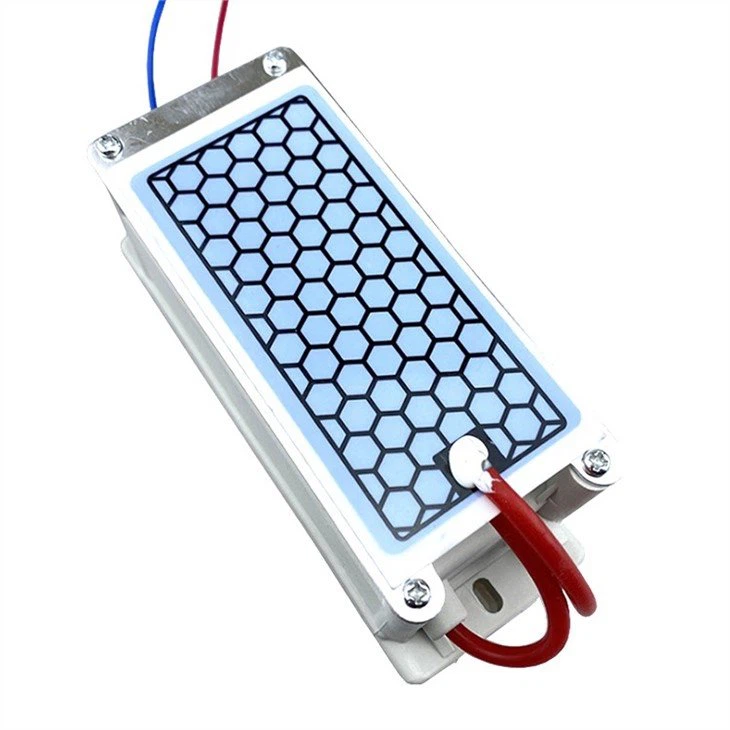

If you are interested in our ozone generators and would like to discuss your specific needs, we are here to assist you. We encourage you to contact us for more information and to start a purchasing negotiation. Our team of experts will be happy to provide you with detailed product information and professional advice.
References
- American Lung Association. Ozone Pollution.
- World Health Organization. Air Quality Guidelines for Ozone.
- Environmental Protection Agency. Understanding Ozone Generators That Are Sold As Air Cleaners.