As a supplier of car ozone generators, I often get asked about the potential side - effects of using these devices. Ozone generators are quite popular in the automotive industry for their ability to eliminate odors, kill bacteria and viruses, and purify the air inside the car. However, it's essential to understand both their benefits and the possible drawbacks.
How Car Ozone Generators Work
Car ozone generators work by producing ozone (O₃), a highly reactive gas. They typically use corona discharge or ultraviolet light to convert oxygen (O₂) in the air into ozone. Once released into the car's interior, ozone reacts with various pollutants, including odorous molecules, bacteria, and viruses. The strong oxidizing properties of ozone break down these contaminants, effectively neutralizing odors and sanitizing the air.
For instance, if there has been a spill in the car, or if the car has a musty smell due to moisture, the ozone can break down the organic compounds causing the odor. Similarly, it can destroy the cell walls of bacteria and viruses, rendering them inactive.
Potential Side - Effects of Car Ozone Generators
1. Health Risks
Ozone is a powerful oxidant, and inhaling high levels of it can be harmful to human health. When ozone is inhaled, it can react with the lining of the respiratory tract, causing irritation. Short - term exposure to high levels of ozone can lead to symptoms such as coughing, shortness of breath, chest pain, and throat irritation. People with pre - existing respiratory conditions like asthma, chronic obstructive pulmonary disease (COPD), or allergies are particularly vulnerable.
Long - term exposure to elevated ozone levels may cause more severe health problems. It can damage the lung tissue, reduce lung function, and increase the risk of respiratory infections. According to the Environmental Protection Agency (EPA), ozone is considered a pollutant at ground - level, and they have set strict standards for its allowable concentration in the ambient air.
2. Damage to Materials
Ozone can also cause damage to certain materials inside the car. It can react with rubber, plastics, and some types of fabrics. Over time, exposure to ozone can cause rubber components, such as seals and hoses, to become brittle and crack. Plastics may lose their luster, become discolored, or even develop a sticky surface. Fabrics can fade or lose their strength.
For example, if you use a high - output ozone generator for an extended period in a car with leather seats, the ozone may cause the leather to dry out and crack. This is a concern not only for the aesthetic appeal of the car but also for the functionality and durability of its components.
3. Formation of Secondary Pollutants
When ozone reacts with other chemicals in the air, it can form secondary pollutants. For example, ozone can react with volatile organic compounds (VOCs) present in the car, such as those emitted by cleaning products, air fresheners, or the car's interior materials. This reaction can produce harmful by - products, including formaldehyde and ultrafine particles. These secondary pollutants can also pose health risks, especially when inhaled over an extended period.
Minimizing the Side - Effects
While there are potential side - effects associated with car ozone generators, there are also ways to minimize these risks.
1. Proper Usage
It is crucial to follow the manufacturer's instructions when using a car ozone generator. Most generators come with recommended operating times and ozone output settings. For example, it is generally recommended not to run the generator for more than 30 minutes to an hour in a small to medium - sized car. This helps to keep the ozone concentration within a safe range.
2. Ventilation
After using the ozone generator, it is essential to ventilate the car thoroughly. Open all the doors and windows to allow fresh air to circulate and flush out the ozone and any secondary pollutants. It is advisable to wait at least 30 minutes to an hour before entering the car to ensure that the ozone levels have dropped to a safe level.
3. Choosing the Right Generator
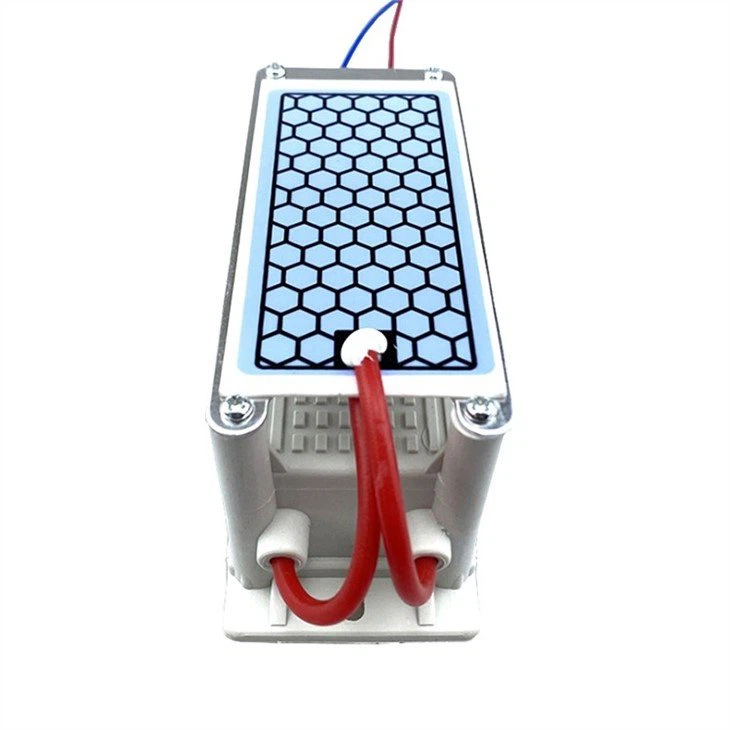
Selecting the appropriate ozone generator for your car is also important. Different generators have different ozone output capacities. For a small car, a 5g Ozone generator may be sufficient, while a larger vehicle or one with more severe odor problems may require a 10g ozone generator Cleaner Ozonizer Odor Eliminator or a 20g Portable Ozone Generator Air Sterilizer. Using a generator with an output that is too high for your car can increase the risk of side - effects.
Our Car Ozone Generators
At our company, we take the safety and effectiveness of our car ozone generators very seriously. Our generators are designed to produce ozone at controlled levels, minimizing the risk of over - exposure. We also provide detailed instructions on proper usage and safety precautions with each product.
Our range of generators includes models with different ozone output capacities, allowing you to choose the one that best suits your needs. Whether you have a small sedan or a large SUV, we have a solution for you. Our 5g Ozone generator is perfect for regular maintenance of a small car, while the 10g ozone generator Cleaner Ozonizer Odor Eliminator and 20g Portable Ozone Generator Air Sterilizer are ideal for larger vehicles or cars with stubborn odors.

In conclusion, while there are potential side - effects associated with car ozone generators, these can be effectively managed through proper usage and ventilation. Our high - quality car ozone generators offer a safe and efficient way to keep your car's interior fresh and odor - free. If you are interested in purchasing our products or have any questions, please feel free to reach out. We are more than happy to assist you in finding the right ozone generator for your car and provide you with all the necessary information on its safe and effective use.
References
- Environmental Protection Agency. (n.d.). Ozone and Your Health. Retrieved from [EPA official site]
- World Health Organization. (2006). Air quality guidelines: Global update 2005. Geneva: World Health Organization.