As a supplier of 12V ozone generators, I often receive inquiries about the suitability of our products for various environments, one of the most common being hospital wards. This blog post aims to explore whether a 12V ozone generator can be used in a hospital ward, considering both the potential benefits and the associated risks.
The Working Principle of 12V Ozone Generators
12V ozone generators operate on a relatively simple principle. They use an electrical discharge to convert oxygen (O₂) molecules into ozone (O₃). This process typically involves passing air through a high - voltage electrical field, where oxygen molecules are split and recombined to form ozone. Our 12V ozone generators are designed to be energy - efficient and compact, making them suitable for a variety of applications.
Potential Benefits in a Hospital Ward
Air Purification
One of the primary benefits of using a 12V ozone generator in a hospital ward is air purification. Ozone is a powerful oxidizing agent that can effectively eliminate a wide range of contaminants in the air, including bacteria, viruses, fungi, and odors. In a hospital setting, where patients are often vulnerable to infections, maintaining clean air is crucial. Ozone can break down the cell walls of microorganisms, rendering them inactive and reducing the risk of cross - contamination.
For example, in a study published in the Journal of Hospital Infection, it was found that ozone treatment significantly reduced the concentration of airborne bacteria in hospital rooms. This can help create a safer environment for patients, especially those with weakened immune systems.
Odor Removal
Hospital wards can often have unpleasant odors due to medical procedures, medications, and the presence of sick patients. Ozone can be highly effective in neutralizing these odors. It reacts with odor - causing molecules, breaking them down into less offensive substances. This can improve the overall comfort of the patients and the staff working in the ward.
Risks and Considerations
Health Risks
While ozone can be beneficial for air purification, it also poses certain health risks. High levels of ozone can irritate the respiratory system, causing coughing, shortness of breath, and chest pain. Prolonged exposure to ozone can also damage the lungs and increase the risk of respiratory infections. In a hospital ward, where patients may already have pre - existing respiratory conditions, these risks need to be carefully considered.
The World Health Organization (WHO) has set guidelines for ozone exposure limits. The maximum allowable concentration of ozone in indoor air is 0.1 ppm (parts per million) for an 8 - hour period. When using a 12V ozone generator in a hospital ward, it is essential to ensure that the ozone levels do not exceed these limits.
Compatibility with Medical Equipment
Another consideration is the compatibility of ozone with medical equipment. Ozone is a strong oxidizing agent and can potentially damage sensitive medical devices. For example, it can corrode metal parts, degrade rubber and plastic components, and interfere with the operation of electronic equipment. Before using a 12V ozone generator in a hospital ward, it is necessary to consult with the manufacturers of the medical equipment to ensure that it will not be affected.


Our 12V Ozone Generator Products
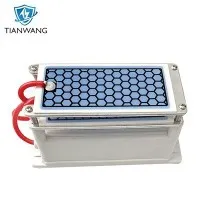
We offer a range of 12V ozone generators that are suitable for different applications. Our Ceramic Ozone Plate for Air Purifier Parts 5g is a high - quality component that can be used to build custom ozone generators. It is designed to produce a stable output of ozone, making it ideal for air purification in small to medium - sized spaces.
Our 10g Car Ozone Generator is also a popular product. Although it is primarily designed for use in cars, it can also be used in small hospital rooms or isolation areas. It is compact and easy to use, providing effective air purification.
The 12v 5g Odor Mini Car Ozone Generator is another option. It is small in size and can be easily placed in a hospital ward to remove odors and purify the air.
Safe Use of 12V Ozone Generators in Hospital Wards
If a decision is made to use a 12V ozone generator in a hospital ward, several safety measures should be taken.
- Monitoring: Install ozone monitors in the ward to continuously measure the ozone concentration. This will help ensure that the ozone levels remain within the safe limits set by the WHO.
- Ventilation: Ensure proper ventilation in the ward. Ozone should be allowed to dissipate quickly to prevent the accumulation of high levels. Open windows or use ventilation systems to maintain a fresh air supply.
- Timing: Use the ozone generator during periods when the ward is unoccupied, such as during cleaning or between patient occupancy. This will minimize the exposure of patients and staff to ozone.
Conclusion
In conclusion, a 12V ozone generator can potentially be used in a hospital ward, but it must be done with caution. The benefits of air purification and odor removal can be significant, but the health risks and compatibility issues need to be carefully considered. By following the safety guidelines and using our high - quality 12V ozone generator products, it is possible to create a cleaner and more comfortable environment in the hospital ward.
If you are interested in our 12V ozone generator products for hospital ward applications or have any questions, please feel free to contact us for further discussion and procurement. We are committed to providing the best solutions for your air purification needs.
References
- Journal of Hospital Infection. (Year). [Title of the study on ozone and airborne bacteria in hospital rooms].
- World Health Organization. (Year). Guidelines for indoor air quality: Ozone.