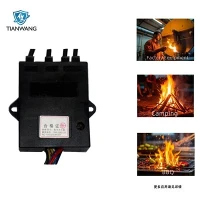
When considering the use of a 12V ozone generator in a library, several factors need to be carefully evaluated. As a supplier of 12V ozone generators, I am well - versed in the capabilities and limitations of these devices, and I'd like to share some insights on their potential application in a library setting.
Understanding Ozone and Its Effects
Ozone (O₃) is a highly reactive gas composed of three oxygen atoms. It has strong oxidizing properties, which make it effective in eliminating odors, killing bacteria, viruses, and fungi, and purifying the air. However, ozone can also be harmful to human health if inhaled in high concentrations. The Occupational Safety and Health Administration (OSHA) has set a permissible exposure limit (PEL) of 0.1 parts per million (ppm) for an 8 - hour workday. Prolonged exposure to ozone levels above this limit can cause respiratory problems, such as coughing, shortness of breath, and throat irritation.


Advantages of Using a 12V Ozone Generator in a Library
- Odor Removal: Libraries often accumulate various odors over time, such as those from old books, dampness, or the presence of many people. A 12V ozone generator can effectively break down odor - causing molecules, leaving the air in the library fresh and clean. For example, the New Material 50mg 100mg DC 12V Mini Air Purifier Ozone Generator Ionizer For Kitchen Appliances is a compact and efficient option that can be used to address odor issues in a library.
- Disinfection: Libraries are public spaces where a large number of people come and go, bringing with them various germs and pathogens. Ozone has powerful disinfectant properties and can help reduce the spread of bacteria and viruses on surfaces and in the air. The 12v 5g Odor Mini Car Ozone Generator can be used in a library to disinfect the air and surfaces, providing a healthier environment for both library staff and visitors.
- Energy Efficiency: 12V ozone generators are generally more energy - efficient compared to higher - voltage models. They consume less power, which is beneficial for a library that operates for long hours. This not only helps to reduce energy costs but also aligns with the growing trend of energy conservation in public institutions.
Challenges and Considerations
- Health Risks: As mentioned earlier, ozone can be harmful to human health if inhaled in high concentrations. When using a 12V ozone generator in a library, it is crucial to ensure that the ozone levels are kept within the safe limits. This may require careful calibration of the ozone generator and proper ventilation in the library. For example, the generator should be operated when the library is closed, and the area should be well - ventilated before people are allowed to enter.
- Damage to Books and Materials: Ozone is a strong oxidizing agent, and prolonged exposure to high levels of ozone can cause damage to books, papers, and other library materials. The ozone can react with the cellulose in paper, causing it to become brittle and discolored. Therefore, it is necessary to use the ozone generator in a controlled manner and ensure that the ozone levels are not too high.
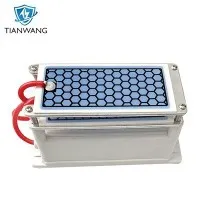
- Noise and Maintenance: Some ozone generators can produce noise during operation, which may be a distraction in a library environment. Additionally, regular maintenance is required to ensure the proper functioning of the ozone generator. For example, the Ceramic Ozone Plate for Air Purifier Parts 5g may need to be replaced periodically to maintain the efficiency of the ozone generator.
Best Practices for Using a 12V Ozone Generator in a Library
- Conduct a Risk Assessment: Before using a 12V ozone generator in a library, it is essential to conduct a risk assessment. This includes measuring the size of the library, determining the appropriate ozone output, and identifying any potential sources of ozone exposure.
- Follow Safety Guidelines: Always follow the safety guidelines provided by the manufacturer of the ozone generator. This includes wearing appropriate personal protective equipment, such as masks and gloves, when handling the generator.
- Use in Unoccupied Spaces: To minimize the risk of ozone exposure to library staff and visitors, the ozone generator should be used when the library is unoccupied. After the ozone treatment, the library should be well - ventilated for a sufficient period of time to reduce the ozone levels to a safe level.
- Monitor Ozone Levels: Regularly monitor the ozone levels in the library using an ozone detector. This will help ensure that the ozone levels are within the safe limits and that the ozone generator is operating effectively.
Conclusion
In conclusion, a 12V ozone generator can be used in a library, but it must be used with caution. The benefits of odor removal, disinfection, and energy efficiency are significant, but the potential health risks and damage to library materials must be carefully considered. By following the best practices and safety guidelines, a 12V ozone generator can be a valuable tool in maintaining a clean and healthy environment in a library.
If you are interested in purchasing a 12V ozone generator for your library or have any questions about our products, please feel free to contact us for further discussion and procurement negotiation.
References
- Occupational Safety and Health Administration (OSHA). Permissible Exposure Limits (PELs).
- Scientific studies on the effects of ozone on human health and library materials.