Hey there! As a car air purifier supplier, I often get asked a bunch of questions about what these nifty gadgets can and can't do. One of the most common questions is, "Can a car air purifier remove formaldehyde?" Well, let's dive right into it and explore this topic in detail.
First off, what the heck is formaldehyde? It's a colorless, strong - smelling gas that can be found in a whole bunch of things. In our cars, it can come from the materials used in the interior, like the plastics, adhesives, and fabrics. Formaldehyde is not something you want to be breathing in. It's classified as a human carcinogen by the International Agency for Research on Cancer (IARC), and long - term exposure can lead to all sorts of health problems, including respiratory issues, eye irritation, and even cancer.
Now, onto the main question: can a car air purifier remove formaldehyde? The short answer is, it depends. There are different types of car air purifiers out there, and each works in its own way.
Types of Car Air Purifiers and Their Effectiveness Against Formaldehyde
1. Activated Carbon Filters
Activated carbon is a popular choice in many car air purifiers. It works by adsorption, which means it traps molecules on its surface. Activated carbon has a large surface area with lots of tiny pores, and formaldehyde molecules can get stuck in these pores.


However, the effectiveness of activated carbon filters against formaldehyde is a bit limited. The amount of formaldehyde it can adsorb depends on the quality and quantity of the activated carbon. Over time, the pores can get filled up, and the filter loses its ability to remove formaldehyde. You'll need to replace the filter regularly to keep it working well.
2. HEPA Filters
HEPA (High - Efficiency Particulate Air) filters are great at removing particles like dust, pollen, and pet dander. But they're not very effective against formaldehyde. Formaldehyde is a gas, and HEPA filters are designed to trap solid and liquid particles. So, if you're relying solely on a HEPA - only car air purifier to get rid of formaldehyde, you're out of luck.
3. Ozone Generators
Ozone generators are a bit controversial. Ozone (O₃) is a reactive gas that can oxidize formaldehyde and break it down into less harmful substances. When ozone comes into contact with formaldehyde, it reacts chemically, transforming it into carbon dioxide and water.
But here's the catch. Ozone can also be harmful to humans in high concentrations. It can irritate the lungs, cause short - ness of breath, and even damage the respiratory system. So, if you're considering an ozone generator as a car air purifier, you need to use it with caution.
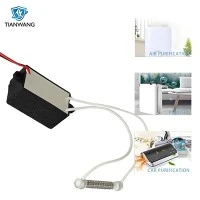
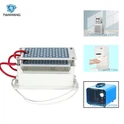
We offer some great ozone generators for cars. For example, our 10g ozone generator Cleaner Ozonizer Odor Eliminator and 5g Ozone generator are designed to work effectively in a car environment. Just make sure to follow the instructions carefully to avoid over - exposure to ozone. And if you need a more powerful option, our 20g Portable Ozone Generator Air Sterilizer can do the job, but again, use it with care.
4. Photocatalytic Oxidation (PCO) Purifiers
PCO purifiers use a catalyst (usually titanium dioxide) and ultraviolet light to break down formaldehyde and other pollutants. When the formaldehyde molecules come into contact with the catalyst and are exposed to UV light, they are oxidized and converted into carbon dioxide and water.
PCO purifiers can be quite effective at removing formaldehyde, but they also have some drawbacks. They need a source of UV light, which can consume energy, and the catalyst can lose its effectiveness over time.
Factors Affecting the Performance of Car Air Purifiers Against Formaldehyde
1. Airflow
The airflow rate of the car air purifier is crucial. If the airflow is too slow, the purifier won't be able to circulate the air in the car effectively, and formaldehyde won't be removed as quickly. On the other hand, if the airflow is too fast, the air may not spend enough time in the purifier for the formaldehyde to be removed.
2. Size of the Car
The size of your car matters. A small car air purifier may not be sufficient for a large SUV. You need to choose a purifier that is rated for the volume of your car's interior.
3. Concentration of Formaldehyde
If the concentration of formaldehyde in your car is very high, it will take longer for the air purifier to bring the levels down to a safe range. In some cases, you may need to use multiple purifiers or a more powerful one.
Tips for Using a Car Air Purifier to Remove Formaldehyde
- Choose the Right Type: Based on your needs and the level of formaldehyde in your car, pick the most suitable type of air purifier. If the formaldehyde levels are not extremely high, an activated carbon filter might be a good start. But if you need a more powerful solution, an ozone generator or PCO purifier could be the way to go.
- Regular Maintenance: As mentioned earlier, filters need to be replaced regularly. Check the manufacturer's instructions for how often to change the filters. For ozone generators, make sure the internal components are clean and functioning properly.
- Proper Placement: Place the car air purifier in a location where it can have good airflow. Avoid blocking the intake or output vents of the purifier.
Conclusion
So, can a car air purifier remove formaldehyde? Yes, certain types of car air purifiers can effectively remove formaldehyde to some extent. But it's not a one - size - fits - all solution. You need to consider the type of purifier, the factors affecting its performance, and how to use it properly.
As a car air purifier supplier, we're here to help you find the best solution for your car. If you're interested in purchasing a car air purifier or have more questions about removing formaldehyde from your car, don't hesitate to reach out to us for a procurement discussion. We'll work with you to figure out the best option for your needs.
References
- International Agency for Research on Cancer (IARC). Monographs on the Evaluation of Carcinogenic Risks to Humans. Exposure to Formaldehyde.
- Various scientific studies on air purification techniques and their effectiveness against formaldehyde.