Is it safe to use a gas stove with a broken igniter? This is a question that many homeowners ask when they encounter issues with their gas stoves. As a gas stove igniter supplier, I've dealt with various situations regarding gas stoves and their components. In this blog post, I'll explore the safety implications of using a gas stove with a broken igniter and provide some insights on what you should do.


Understanding the Role of a Gas Stove Igniter
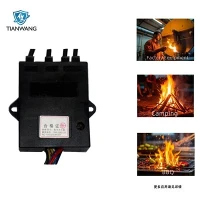
A gas stove igniter plays a crucial role in the operation of a gas stove. Its primary function is to create a spark that ignites the gas flowing from the burner. There are different types of igniters available on the market, such as Roast Poultry Gas Oven Pulse Ignitor, 220VAC Infrared Electric Pulse Sparker Igniter, 3.7V Small Igniter Gas Stove Electronic Pulse Igniter Gas Stove Igniter, 12V Electronic Pulse Igniter, and 18 Volt Propane Igniter. Each type is designed to work with specific gas stove models and has its own set of features and capabilities.
Without a working igniter, lighting the gas stove becomes a challenge. Most modern gas stoves are designed to work with the igniter system, and manual ignition may not be as straightforward or safe as using the built - in igniter.
Risks Associated with Using a Gas Stove with a Broken Igniter
Gas Leak Hazard
One of the most significant risks of using a gas stove with a broken igniter is the potential for a gas leak. When the igniter is not working properly, gas may be released into the air without being ignited. Natural gas and propane are both highly flammable, and a gas leak can create a dangerous situation. Even a small gas leak can build up over time, leading to an explosive mixture in the kitchen. If there is a spark or an open flame nearby, it can trigger an explosion or a fire.
Incomplete Combustion
When the gas is not ignited properly, it may result in incomplete combustion. Incomplete combustion can produce carbon monoxide, a colorless, odorless, and highly toxic gas. Carbon monoxide can be extremely dangerous, as it can cause headaches, dizziness, nausea, and in severe cases, even death. It is often referred to as the "silent killer" because it is difficult to detect without the use of a carbon monoxide detector.
Manual Ignition Risks
If you attempt to light the gas stove manually with a match or a lighter, there are several risks involved. You may accidentally expose yourself to a flashback, which is a sudden burst of flame that can burn your hand or face. Additionally, if the gas has been leaking for a while and has accumulated in the area, lighting a match or a lighter can cause an explosion.
When It Might Seem Safe, but Isn't
Some people might think that if they are careful and can light the gas stove manually, it is safe to use a gas stove with a broken igniter. However, this is a false sense of security. Even if you are able to light the burner successfully every time, there is still the risk of gas leaks between uses. Also, the process of manual ignition is not as reliable as using a properly functioning igniter, and there is always a chance of incomplete combustion.
What to Do If Your Igniter Is Broken
Temporary Solutions
If your igniter breaks and you need to use the gas stove in the short term, you can try to light the burner manually. However, this should only be done as a last resort. Make sure to follow these steps carefully:
- Open the windows and doors to ensure proper ventilation in the kitchen.
- Turn on the burner knob to the "light" position to release a small amount of gas.
- Hold a lit match or a long - stemmed lighter close to the burner and quickly turn the knob to the "high" position.
- Do not leave the burner unattended while it is in use.
Long - Term Solutions
The best solution is to replace the broken igniter as soon as possible. As a gas stove igniter supplier, I can attest to the importance of using high - quality igniters. A new igniter will ensure that your gas stove operates safely and efficiently. You can choose from a variety of igniters available on the market, depending on your gas stove model and requirements.
Importance of Regular Maintenance
Regular maintenance of your gas stove can help prevent igniter problems. Check the igniter regularly for any signs of damage, such as cracks or corrosion. Clean the burner ports and the igniter to remove any debris that may be preventing it from working properly. Additionally, it is a good idea to have your gas stove serviced by a professional technician at least once a year.
Why Choose Our Gas Stove Igniters
As a gas stove igniter supplier, we offer a wide range of high - quality igniters. Our igniters are designed to be reliable, durable, and safe. They are made from the best materials and undergo strict quality control tests to ensure that they meet the highest standards. Whether you need a Roast Poultry Gas Oven Pulse Ignitor for your commercial oven or a 3.7V Small Igniter Gas Stove Electronic Pulse Igniter Gas Stove Igniter for your home kitchen, we have the right product for you.
Contact Us for Your Igniter Needs
If you are experiencing problems with your gas stove igniter or are looking to purchase a new one, we encourage you to contact us for procurement and discussion. Our team of experts is ready to assist you in finding the perfect igniter for your needs. We will provide you with detailed product information and help you make an informed decision. Don't compromise on safety; choose our high - quality gas stove igniters.
References
- "Gas Appliance Safety: A Guide for Consumers." U.S. Department of Energy.
- "Carbon Monoxide Poisoning: Symptoms and Prevention." Centers for Disease Control and Prevention.