Can a car ozone generator be used in a car with a rubber smell?
As a supplier of car ozone generators, I often receive inquiries from customers about the usage of our products in various scenarios. One common question that frequently pops up is whether a car ozone generator can be used in a car with a rubber smell. In this blog post, I'll delve into this topic and provide you with a comprehensive answer.
Understanding the rubber smell in cars
Rubber is a common material used in cars. It can be found in various components such as tires, seals, hoses, and interior trim. When rubber is new or exposed to high temperatures, it can emit a distinct smell. This smell is usually caused by volatile organic compounds (VOCs) that are released from the rubber. VOCs are chemicals that can easily evaporate into the air at room temperature. Some of these VOCs can be harmful to human health, especially if inhaled in large quantities over a long period.
The rubber smell in a car can be quite unpleasant, and it can also be a sign of poor air quality inside the vehicle. This is where a car ozone generator comes in.
How does a car ozone generator work?
A car ozone generator is a device that produces ozone (O₃), a highly reactive form of oxygen. Ozone is a powerful oxidizing agent, which means it can break down and neutralize various pollutants, including VOCs, bacteria, viruses, and odors. When ozone is released into the air inside a car, it reacts with the pollutants and breaks them down into smaller, less harmful molecules.
The process of using a car ozone generator involves closing all the windows and doors of the car to create an enclosed space. Then, the ozone generator is turned on and left to run for a certain period, depending on the size of the car and the severity of the odor. After the treatment, the car should be ventilated thoroughly to remove any remaining ozone and the by - products of the oxidation process.
Can a car ozone generator be used in a car with a rubber smell?
The answer is yes, a car ozone generator can be used in a car with a rubber smell. Ozone can effectively break down the VOCs that are causing the rubber smell, thereby eliminating the odor. However, there are some important considerations to keep in mind.
Firstly, ozone is a toxic gas, and it can be harmful to human health if inhaled in high concentrations. Therefore, it is crucial to follow the manufacturer's instructions carefully when using a car ozone generator. Make sure that no one is inside the car while the ozone generator is running. After the treatment, allow the car to ventilate for at least 30 minutes to an hour before getting back in.
Secondly, some types of rubber may be sensitive to ozone. Prolonged exposure to high levels of ozone can cause rubber to crack and degrade over time. This is more likely to happen if the ozone concentration is too high or if the treatment time is too long. To avoid this, it is recommended to use a car ozone generator with adjustable ozone output. This way, you can set the appropriate ozone level based on the size of the car and the severity of the odor.
Choosing the right car ozone generator
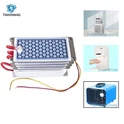
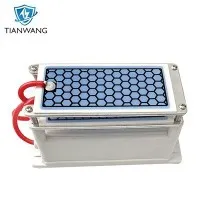
When choosing a car ozone generator for dealing with a rubber smell, there are several factors to consider. The size of the car is an important factor. For smaller cars, a 5g Ozone generator may be sufficient. It can produce enough ozone to treat the air inside a compact car effectively.
If you have a medium - sized car, a 10g ozone generator Cleaner Ozonizer Odor Eliminator would be a better choice. It can generate a higher amount of ozone, which is suitable for larger interior spaces.
For larger cars or if the rubber smell is particularly strong, a 20g Portable Ozone Generator Air Sterilizer is recommended. It has a higher ozone output capacity and can treat the air in a more spacious car quickly and efficiently.
Precautions when using a car ozone generator
In addition to the safety precautions mentioned above, there are a few other things to keep in mind when using a car ozone generator. Do not use the ozone generator near any open flames or in an area with a high concentration of flammable materials, as ozone can be a fire hazard. Also, make sure that the ozone generator is placed on a stable surface to prevent it from tipping over.
It is also a good idea to test the ozone generator in a small area first, especially if you are unsure about the sensitivity of the rubber components in your car. This can help you determine the appropriate ozone level and treatment time without causing any damage to the rubber.
Benefits of using a car ozone generator for rubber smell
Using a car ozone generator to eliminate the rubber smell has several benefits. Firstly, it can improve the air quality inside the car, making it a more pleasant and healthy environment for you and your passengers. Secondly, it can extend the lifespan of the rubber components in the car by reducing the concentration of harmful VOCs. Thirdly, it can enhance the overall driving experience by getting rid of the unpleasant odor.
Conclusion
In conclusion, a car ozone generator can be an effective solution for dealing with a rubber smell in a car. However, it is important to use it correctly and follow all the safety precautions to ensure that it is both effective and safe. If you are interested in purchasing a car ozone generator for your vehicle, we offer a wide range of products to meet your needs. Whether you need a small - capacity ozone generator for a compact car or a high - output one for a large vehicle, we have the right solution for you.


If you have any questions or would like to discuss your specific requirements, please feel free to contact us. We are always happy to assist you in finding the best car ozone generator for your situation. Let us help you create a fresh and odor - free environment inside your car.
References
- American Lung Association. (2023). Ozone and Your Health.
- Environmental Protection Agency. (2023). Volatile Organic Compounds' Impact on Indoor Air Quality.