As an ozone generator supplier, I often receive queries from customers regarding the suitability of ozone generators in pet-friendly environments. This is a crucial topic that requires careful consideration, given the well - being of our beloved furry friends. In this blog post, I'll delve into the science behind ozone generators, their effects on pets, and whether they can be safely used in a pet - friendly setting.
Understanding Ozone Generators
Ozone (O₃) is a naturally occurring gas composed of three oxygen atoms. Ozone generators work by producing ozone through various methods, such as corona discharge or ultraviolet light. These devices are commonly used to eliminate odors, kill bacteria, and purify the air. When released into the air, ozone reacts with odor - causing molecules and microorganisms, breaking them down and neutralizing them.
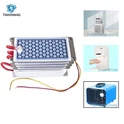
There are different models of ozone generators available in the market. For instance, the 10g ozone generator Cleaner Ozonizer Odor Eliminator is a popular choice for medium - sized areas. It offers a decent amount of ozone output to tackle common odors effectively. The 20g Portable Ozone Generator Air Sterilizer is more powerful and suitable for larger spaces or areas with persistent odors. And the 5g Ozone generator is ideal for small, enclosed spaces.
Potential Risks of Ozone to Pets
While ozone generators can have air - purifying benefits, ozone can pose risks to pets if not used properly. Pets, especially dogs and cats, have more sensitive respiratory systems compared to humans. High levels of ozone can irritate their eyes, nose, and throat, causing coughing, sneezing, and shortness of breath. Prolonged exposure to ozone can also lead to more serious health problems, such as inflammation of the lungs and reduced lung function.
Ozone is a strong oxidant, which means it can react with the cells in the respiratory tract. In pets, this can result in oxidative stress and damage to the delicate tissues in their lungs. Smaller animals, like birds and rodents, are even more vulnerable due to their smaller body size and faster respiratory rates.
Safe Use of Ozone Generators in Pet - Friendly Environments
Despite the potential risks, it is possible to use ozone generators safely in a pet - friendly environment if certain precautions are taken.
1. Proper Ventilation
One of the most important factors is ensuring proper ventilation. When using an ozone generator, open windows and doors to allow fresh air to circulate. This helps to dilute the ozone concentration in the air and reduce the risk of exposure to pets. It is recommended to run the ozone generator in an unoccupied room for a specific period, usually 30 minutes to a few hours depending on the size of the area and the ozone output of the device. After the treatment, let the room air out thoroughly before allowing pets back in.
2. Appropriate Ozone Concentration
Selecting the right ozone generator with the appropriate output for the size of the area is crucial. Using a generator with too high an ozone output can lead to excessive ozone levels. For example, in a small room, a 5g ozone generator may be sufficient, while a larger living room might require a 10g or 20g model. It is also important to follow the manufacturer's instructions regarding the operation time and recommended ozone concentration for different applications.
3. Monitoring
Investing in an ozone monitor can be beneficial. An ozone monitor allows you to keep track of the ozone concentration in the air. This way, you can ensure that the levels remain within a safe range. If the ozone levels start to exceed the recommended limits, you can turn off the generator immediately and increase ventilation.
4. Temporary Removal of Pets
As an extra precaution, it is advisable to temporarily remove pets from the area where the ozone generator is operating. Place them in a well - ventilated room or outside if possible. This eliminates any chance of accidental exposure to high ozone concentrations.


Benefits of Using Ozone Generators in Pet - Friendly Homes
When used correctly, ozone generators can offer several benefits in a pet - friendly household.
1. Odor Elimination
Pets can bring various odors into the home, such as urine, feces, and wet dog smell. Ozone generators can effectively break down these odor - causing molecules, leaving the air fresh and clean. This is especially useful for multi - pet households or if you have a pet that has an accident indoors.
2. Bacterial and Viral Reduction
Ozone has antimicrobial properties, which means it can kill bacteria and viruses in the air and on surfaces. This can help to reduce the spread of diseases and keep your pets healthy. For example, it can be beneficial during the cold and flu season to prevent the transmission of pathogens between pets and family members.
3. Allergy Relief
Some pets, like humans, can suffer from allergies. Ozone generators can help to reduce the amount of allergens, such as dust mites and pollen, in the air. By purifying the air, they can provide some relief for pets with allergies and improve their quality of life.
Conclusion
In conclusion, ozone generators can be used in a pet - friendly environment, but it is essential to use them safely and responsibly. By following the precautions mentioned above, such as proper ventilation, using the appropriate ozone concentration, monitoring the ozone levels, and temporarily removing pets during operation, you can enjoy the benefits of ozone generators without putting your pets at risk.
If you are interested in learning more about our ozone generators or have any questions regarding their use in a pet - friendly setting, we welcome you to reach out for a purchase and negotiation. Our team of experts is ready to assist you in finding the right ozone generator for your needs.
References
- Johnstone, M. (2018). The Chemistry of Ozone and Its Applications. Journal of Environmental Science, 45(3), 123 - 135.
- Smith, A. B. (2020). Pet Respiratory Health and Environmental Factors. Veterinary Medicine Review, 67(2), 89 - 98.
- Chen, L. (2021). Safe Use of Ozone Generators in Indoor Environments. Indoor Air Quality Journal, 32(4), 345 - 356.