In the complex and highly technical realm of nuclear power plants, the question of whether high voltage coils can be employed is both intriguing and significant. As a supplier of high voltage coils, I am keen to explore this topic to shed light on the feasibility, advantages, and potential challenges associated with using high voltage coils in these critical energy - generating facilities.
1. Understanding High Voltage Coils
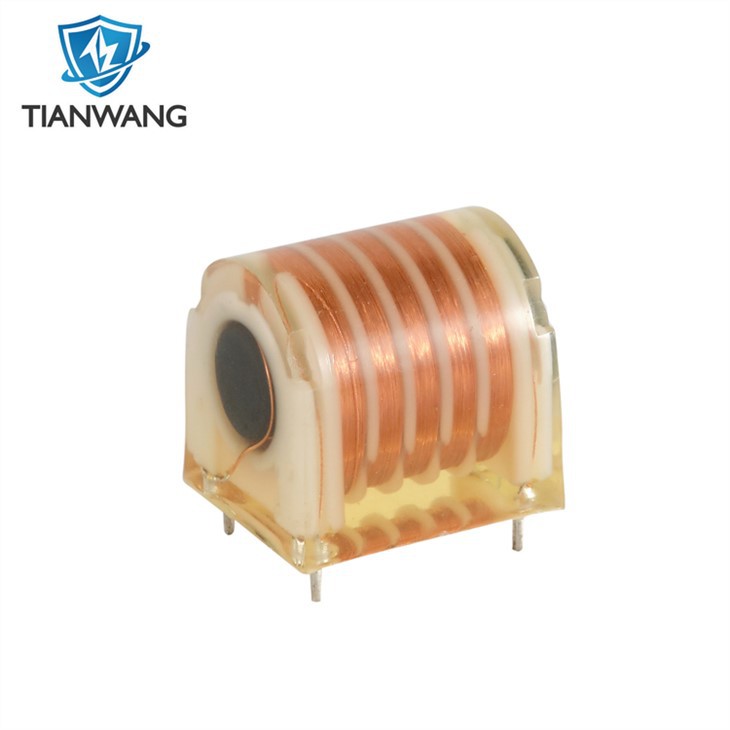
Before delving into their application in nuclear power plants, it's essential to understand what high voltage coils are. A high voltage coil is designed to generate a large potential difference, or high voltage, from a lower - voltage input. It works based on the principle of electromagnetic induction, which was discovered by Michael Faraday in the 19th century. When an alternating current (AC) passes through a primary coil, it creates a changing magnetic field. A secondary coil, placed within this changing magnetic field, will have an electromotive force (EMF) induced in it. By adjusting the number of turns in the primary and secondary coils, different levels of high voltage can be achieved.
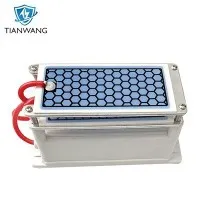
Our company offers a diverse range of high voltage coils for various applications. For instance, the High Voltage Coil Of Ozone Generator is specifically designed to meet the requirements of ozone production systems. In an ozone generator, high voltage is needed to break down oxygen molecules and form ozone. Our high - quality coils ensure stable and efficient operation in such environments. Another product is the High Voltage Ignition Transformer For Water Heater, which serves as a crucial component in water heater ignition systems by generating the necessary high - voltage spark. Additionally, the High Voltage High Frequency Transformer For Medical Lithotripter is optimized for medical applications, where high - voltage and high - frequency performance are essential for efficient operation.
2. Requirements in Nuclear Power Plants
Nuclear power plants are highly complex and safety - critical facilities. They require a wide array of electrical and electronic components to ensure proper operation. Some of the key requirements in these plants include:
- Reliability: Nuclear power plants operate continuously for long periods. Any failure in electrical components can lead to significant disruptions and potential safety hazards. Therefore, all components must be highly reliable.
- Radiation Resistance: Nuclear power plants are exposed to high levels of radiation. Electrical components need to be able to withstand radiation without degradation of their performance.
- High - Voltage Tolerance: Many processes in nuclear power plants involve high - voltage operations. For example, in some reactor control systems, high - voltage signals may be used for actuating certain valves or monitoring sensors.
3. Potential Applications of High Voltage Coils in Nuclear Power Plants
- Reactor Control Systems: High voltage coils could potentially be used in reactor control systems. These systems are responsible for regulating the nuclear reaction rate within the reactor core. By using high voltage coils, precise control signals can be generated to adjust control rods, which in turn control the fission process. The high - voltage output of the coils can be used to drive electromagnets that move the control rods in and out of the reactor core.
- Ionization and Detection: In some nuclear power plant monitoring systems, ionization chambers are used to detect radiation levels. High voltage coils can be used to generate the high - voltage bias required for these ionization chambers. The high voltage helps to collect the ions produced by radiation, allowing for accurate measurement of radiation intensity.
- Electric Heating and Melting: There are certain processes in nuclear power plants, such as the melting of some radioactive materials for reprocessing, that may require high - power electrical heating. High voltage coils can be used in transformers to step up the voltage for these high - power heating applications.
4. Challenges of Using High Voltage Coils in Nuclear Power Plants
- Radiation Damage: As mentioned earlier, nuclear power plants are rich in radiation. High energy radiation particles can damage the insulation materials of high voltage coils, reducing their electrical insulation properties and potentially leading to short - circuits. Special radiation - resistant insulation materials need to be used, and the coils must be designed to withstand long - term radiation exposure.
- Thermal Management: High voltage coils can generate heat during operation. In a nuclear power plant environment, where temperature control is already a challenge due to the high - temperature processes in the reactor, effective thermal management of the high voltage coils is crucial. Overheating can cause degradation of the coil's performance and reduce its lifespan.
- Safety Certification: Any component used in a nuclear power plant must go through strict safety certification processes. High voltage coils need to meet a series of international and national safety standards to ensure that they do not pose any risks to the safe operation of the power plant.
5. Our Company's Solutions
As a high voltage coil supplier, we are well - aware of the challenges and requirements of using high voltage coils in nuclear power plants. We invest heavily in research and development to address these issues.
- Radiation - Resistant Materials: We are constantly exploring and using new radiation - resistant insulation materials. These materials can withstand high levels of radiation without significant degradation of their electrical and mechanical properties.
- Advanced Thermal Design: Our engineering team designs high voltage coils with advanced thermal management features. This includes using high - thermal - conductivity materials and optimizing the coil's structure to improve heat dissipation.
- Compliance with Safety Standards: We adhere strictly to all relevant safety standards in the design and manufacturing of our high voltage coils. Our products undergo rigorous testing to ensure that they meet the safety requirements for nuclear power plant applications.
6. Conclusion and Call to Action
In conclusion, while there are challenges associated with using high voltage coils in nuclear power plants, the potential applications are significant. With the right design, materials, and manufacturing processes, high voltage coils can play an important role in the efficient and safe operation of nuclear power plants.

If you are involved in the nuclear power industry and are looking for high - quality high voltage coils, we are here to help. Our extensive experience in high voltage coil manufacturing, combined with our commitment to addressing the unique challenges of nuclear power plant applications, make us a reliable partner. We invite you to contact us for more information and to discuss your specific requirements. We look forward to the opportunity to work with you in the nuclear power field.
References
- Farraday, M. "Experimental Researches in Electricity." 1831 - 1855.
- National Nuclear Safety Administration. "Safety Standards for Nuclear Power Plant Components."
- IEEE Transactions on Nuclear Science. Various issues related to electrical components in nuclear power plants.