As a supplier of home air purifiers, I often get asked whether our products can be used in a factory setting. This is a valid question, considering the different requirements and conditions between a home and a factory. In this blog post, I'll explore the feasibility of using home air purifiers in factories, weighing the pros and cons to help you make an informed decision.


Understanding the Differences between Home and Factory Environments
First, it's essential to understand the key differences between home and factory environments. Homes typically have a relatively small, enclosed space with a limited number of air pollutants. The main sources of contaminants in a home are usually dust, pet dander, cooking fumes, and volatile organic compounds (VOCs) from household products.
On the other hand, factories are much larger and often have a more complex and severe air pollution problem. Factories can generate a wide range of pollutants, including particulate matter (PM), heavy metals, chemical fumes, and industrial gases. The volume of air that needs to be purified in a factory is significantly larger than in a home, and the concentration of pollutants can be much higher.
Advantages of Using Home Air Purifiers in Factories
Despite the differences, there are some potential advantages to using home air purifiers in factories.
Cost - Effective Solution
Home air purifiers are generally more affordable than industrial - grade air purification systems. For small factories or areas within a larger factory where the pollution level is relatively low, using home air purifiers can be a cost - effective way to improve air quality. For example, in a small workshop area where only a few workers are present and the pollutant sources are limited, a few home air purifiers can help reduce the concentration of dust and mild fumes.
Flexibility
Home air purifiers are often compact and portable. This means they can be easily moved around the factory to different areas as needed. If there are specific areas within the factory that experience occasional air quality issues, such as near a particular machine or workstation, a home air purifier can be quickly deployed to address the problem.
Limitations of Using Home Air Purifiers in Factories
However, there are also significant limitations to using home air purifiers in factories.
Limited Capacity
Home air purifiers are designed to purify the air in small to medium - sized rooms. They have a limited air - handling capacity, which means they may not be able to handle the large volume of air in a factory. In a large factory, the number of home air purifiers required to achieve an acceptable level of air purification would be prohibitively high, and even then, they may not be able to keep up with the continuous generation of pollutants.
Inadequate Filtration
Factory air often contains a wider variety and higher concentration of pollutants than home air. Home air purifiers are typically equipped with filters that are designed to remove common household pollutants. They may not have the necessary filtration capabilities to effectively remove industrial - specific pollutants such as heavy metals, certain chemical fumes, or high - level particulate matter.
Durability
Factory environments can be harsh, with high levels of dust, vibration, and temperature variations. Home air purifiers are not built to withstand these conditions. They may break down more quickly in a factory setting, leading to increased maintenance costs and downtime.
Considerations for Using Home Air Purifiers in Factories
If you are considering using home air purifiers in your factory, here are some important factors to keep in mind.
Assess the Pollution Level
Before deciding to use home air purifiers, conduct a thorough assessment of the air pollution level in your factory. Identify the types and concentrations of pollutants present in different areas. If the pollution level is relatively low and limited to specific areas, home air purifiers may be a viable option.
Combine with Other Solutions
To overcome the limitations of home air purifiers, consider using them in combination with other air purification solutions. For example, you can use industrial - grade ventilation systems to remove the bulk of the pollutants and then use home air purifiers in specific areas to provide additional purification.
Choose the Right Model
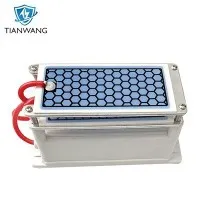
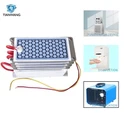
When selecting home air purifiers for factory use, choose models with higher air - handling capacities and more advanced filtration systems. Some home air purifiers are equipped with HEPA filters, activated carbon filters, or even 20g Portable Ozone Generator Air Sterilizer, 5g Ozone generator, or 10g ozone generator Cleaner Ozonizer Odor Eliminator which can help remove a wider range of pollutants.
Conclusion
In conclusion, while it is possible to use home air purifiers in factories under certain circumstances, they are not a one - size - fits - all solution. The decision to use home air purifiers in a factory should be based on a careful assessment of the factory's specific needs, the pollution level, and the budget.
If you are interested in exploring the use of home air purifiers for your factory or have any questions about our products, we encourage you to contact us for a detailed discussion. Our team of experts can help you determine the best air purification solution for your specific situation.
References
- Smith, J. (2020). Air Quality Management in Industrial Settings. Industrial Air Journal, 15(2), 45 - 56.
- Johnson, A. (2019). Home Air Purifiers: Features and Limitations. Home Comfort Magazine, 22(3), 78 - 85.