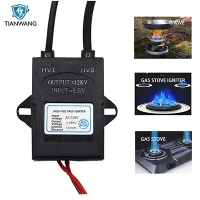
Hey there! As a supplier of gas stove igniters, I've seen my fair share of issues when it comes to getting these things working just right. In this blog, I'm gonna walk you through how to adjust a gas stove igniter. Whether you're a homeowner looking to fix a pesky ignition problem or a professional in the industry, this guide will come in handy.
Understanding the Basics of a Gas Stove Igniter
First off, let's talk about what a gas stove igniter does. Simply put, it's the thing that creates the spark to light the gas on your stove. There are a few different types of igniters out there, but the most common ones are the piezoelectric igniters and the electronic pulse igniters.
Piezoelectric igniters work by creating a spark when you press down on the ignition button. This type of igniter is pretty simple and doesn't require any electricity. On the other hand, electronic pulse igniters use a battery or an electrical connection to generate a continuous spark until the gas is lit.
Signs That Your Gas Stove Igniter Needs Adjustment
So, how do you know if your gas stove igniter needs adjustment? Here are some common signs:
- Weak or No Spark: If you press the ignition button and you only see a weak spark or no spark at all, it's a clear sign that something's not right.
- Long Ignition Time: If it takes a long time for the gas to light after you press the ignition button, the igniter might need some adjustment.
- Clicking Sound Without Ignition: Sometimes, you might hear a clicking sound when you press the ignition button, but the gas doesn't light. This could be due to a misaligned igniter or a problem with the gas flow.
Tools You'll Need
Before you start adjusting the gas stove igniter, you'll need a few tools:
- Screwdriver: You'll need a screwdriver to remove the screws that hold the igniter in place.
- Adjustable Wrench: This will come in handy if you need to adjust the gas valve.
- Voltage Tester: If you're dealing with an electronic pulse igniter, a voltage tester can help you check if the igniter is getting power.
Step-by-Step Guide to Adjusting a Gas Stove Igniter
Step 1: Safety First
Before you start working on your gas stove, make sure you turn off the gas supply. You can usually do this by turning the gas valve located behind the stove clockwise. Also, unplug the stove from the electrical outlet if it's an electric model.

Step 2: Remove the Igniter Cover
Use your screwdriver to remove the screws that hold the igniter cover in place. Once the cover is off, you'll be able to access the igniter.
Step 3: Check the Igniter for Damage
Take a close look at the igniter to see if there are any signs of damage, such as cracks or burns. If the igniter is damaged, you'll need to replace it. You can find a wide range of high - quality igniters on our website, like the Haier Gas Stove Igniter: Efficient And Reliable and the 3.7V Small Igniter Gas Stove Electronic Pulse Igniter Gas Stove Igniter.
Step 4: Adjust the Igniter Position
If the igniter is not damaged, you can try adjusting its position. The igniter should be close enough to the burner so that the spark can easily reach the gas. Use your screwdriver to loosen the screws that hold the igniter in place and move it slightly closer or farther from the burner. Make sure to tighten the screws once you're done.
Step 5: Check the Gas Flow
If the igniter is sparking but the gas still won't light, the problem might be with the gas flow. Use your adjustable wrench to check the gas valve. Make sure it's fully open. If the valve is clogged, you might need to clean it or replace it.
Step 6: Test the Igniter
Once you've made the adjustments, turn on the gas supply and plug in the stove if it's an electric model. Press the ignition button and see if the gas lights. If it still doesn't work, you might need to double - check your adjustments or consider replacing the igniter.
Special Considerations for Electronic Pulse Igniters
If you have an electronic pulse igniter, there are a few extra things to keep in mind:
- Check the Batteries: If the igniter is battery - powered, make sure the batteries are fresh. Replace them if necessary.
- Test the Voltage: Use a voltage tester to check if the igniter is getting the correct voltage. If it's not, there might be a problem with the electrical connection or the power supply.
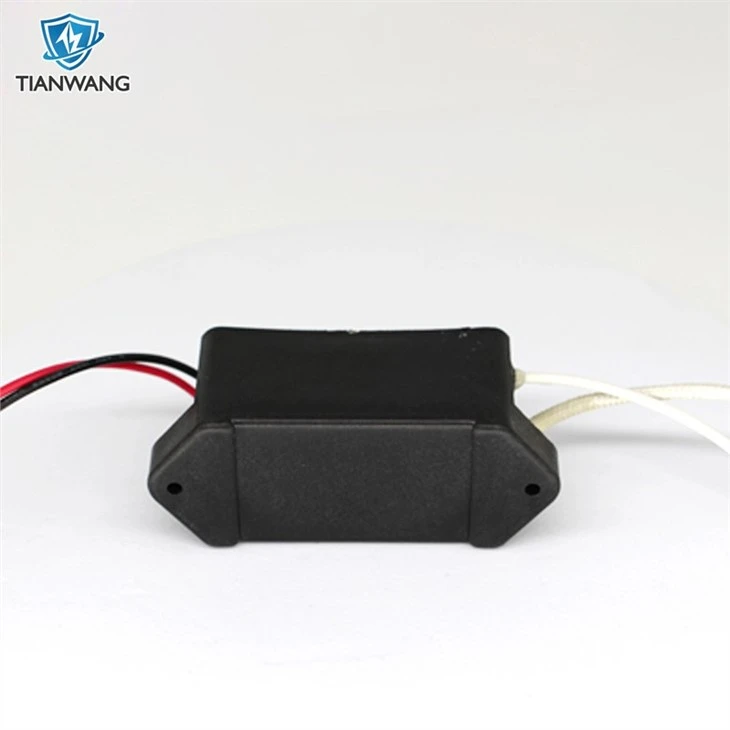
- Replace the Ignition Controller: If all else fails, the problem could be with the ignition controller. You can find a reliable Gas Oven Stove Pulse Ignition Controller Electronic Igniter on our website.
Conclusion
Adjusting a gas stove igniter might seem like a daunting task, but with the right tools and a little know - how, you can get it done. Remember to always prioritize safety and follow the steps carefully. If you're still having trouble, don't hesitate to reach out to us. We're a leading supplier of gas stove igniters and can provide you with high - quality products and expert advice.
If you're in the market for a new gas stove igniter or have any questions about our products, feel free to contact us for a purchase and negotiation. We're here to help you find the perfect solution for your needs.
References
- "Gas Stove Repair Manual" - A comprehensive guide on gas stove repair and maintenance.
- "Home Appliance Troubleshooting Guide" - A useful resource for diagnosing and fixing common problems with home appliances.