Can a home air purifier be used in a library? This is a question that many library administrators and home air purifier suppliers like me often ponder. In this blog, I'll explore the feasibility, benefits, and considerations of using home air purifiers in libraries.
Feasibility of Using Home Air Purifiers in Libraries
Libraries are public spaces filled with a large number of books, people, and various materials. The air quality in libraries can be affected by multiple factors such as dust from books, human - exhaled carbon dioxide, and potential mold growth in humid conditions. Home air purifiers are designed to improve indoor air quality by removing pollutants, allergens, and odors. So, in theory, they can be used in libraries.
Most home air purifiers come with different types of filters, such as HEPA (High - Efficiency Particulate Air) filters, activated carbon filters, and sometimes even ionizers. HEPA filters are extremely effective in capturing small particles like dust, pollen, and pet dander. Activated carbon filters can absorb odors and volatile organic compounds (VOCs). Ionizers can release negative ions into the air, which can attach to positively charged particles and cause them to fall out of the air.

However, the size of the library is a crucial factor. Home air purifiers are generally designed for small to medium - sized rooms. Libraries, on the other hand, can range from small community libraries to large university libraries with vast open spaces. A single home air purifier may not be sufficient to purify the air in a large - scale library. But for smaller libraries or individual reading rooms within a larger library, home air purifiers can be a viable option.
Benefits of Using Home Air Purifiers in Libraries
1. Health Benefits
Improving air quality in libraries can have significant health benefits for both library staff and visitors. By removing dust, pollen, and other allergens, air purifiers can reduce the risk of allergic reactions and respiratory problems. For example, people with asthma or allergies may find it more comfortable to spend time in a library with clean air.
2. Preservation of Books
Libraries are home to a vast collection of books, some of which may be rare and valuable. Poor air quality, especially high humidity and the presence of pollutants, can damage books over time. Air purifiers can help maintain a stable environment by controlling humidity and removing harmful particles, thus contributing to the long - term preservation of the library's collection.
3. Odor Control
Libraries can sometimes develop musty odors, especially in areas with poor ventilation. Home air purifiers with activated carbon filters can effectively absorb these odors, creating a more pleasant environment for everyone. For instance, if there is a storage area for old books that emits a strong smell, an air purifier can be placed there to reduce the odor.
Considerations When Using Home Air Purifiers in Libraries
1. Noise Level
Libraries are places where people come to read, study, and concentrate. Therefore, the noise level of the air purifier is a critical consideration. Some home air purifiers can be quite noisy, especially when operating at high speeds. It is essential to choose an air purifier with a low noise level to avoid disturbing library users.
2. Maintenance
Regular maintenance is required to ensure the proper functioning of air purifiers. This includes replacing filters, cleaning the unit, and checking for any malfunctions. Library staff need to be trained on how to perform these maintenance tasks or have a plan in place to have the air purifiers serviced regularly. Otherwise, a poorly maintained air purifier may not work effectively and could even become a source of pollution.
3. Ozone Emission
Some air purifiers, especially those with ionizers or ozone generators, can emit ozone. Ozone is a harmful gas that can cause respiratory problems, irritation of the eyes and throat, and other health issues. When considering using air purifiers in libraries, it is crucial to choose models that do not emit excessive ozone.
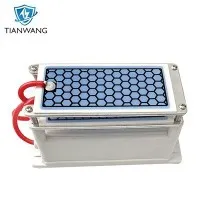
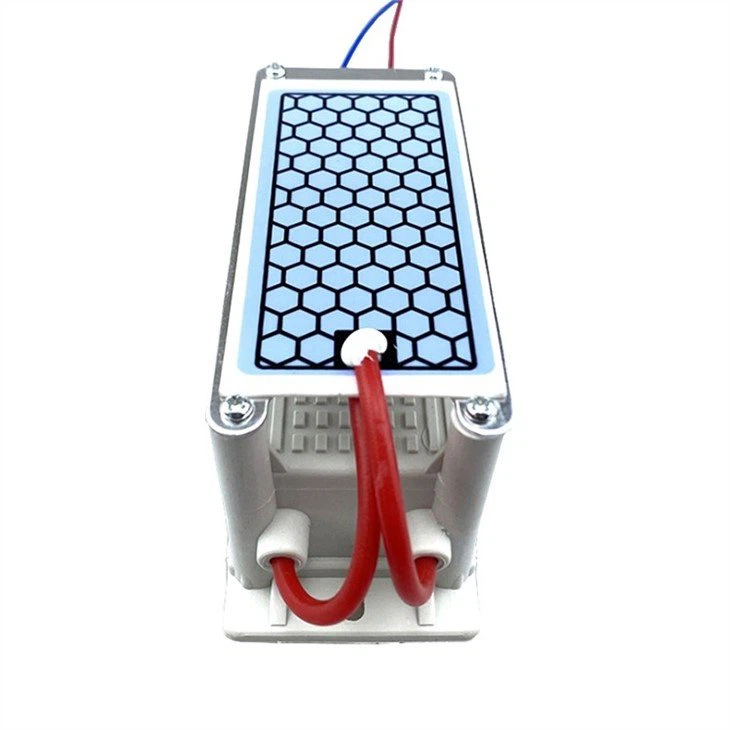
If you are interested in ozone - related air purification products, we offer 20g Portable Ozone Generator Air Sterilizer, 5g Ozone generator, and 10g ozone generator Cleaner Ozonizer Odor Eliminator. These products are designed to operate within safe ozone emission limits and can be used in appropriate settings.
Choosing the Right Home Air Purifier for Libraries
When selecting a home air purifier for a library, the following factors should be considered:
1. Room Size
As mentioned earlier, the size of the area to be purified is crucial. You need to choose an air purifier with a suitable Clean Air Delivery Rate (CADR). The CADR indicates how quickly an air purifier can clean the air in a room. For larger library spaces, multiple air purifiers may be required.
2. Filter Type
Different filter types have different functions. A combination of HEPA and activated carbon filters is often recommended for libraries. HEPA filters can capture particles, while activated carbon filters can deal with odors and VOCs.
3. Energy Efficiency
Since libraries are often open for long hours, energy - efficient air purifiers can help save on electricity costs. Look for air purifiers with an Energy Star rating, which indicates that they meet certain energy - efficiency standards.
Conclusion
In conclusion, home air purifiers can be used in libraries, especially in smaller libraries or individual reading areas. They offer numerous benefits, including improved health, preservation of books, and odor control. However, careful consideration must be given to factors such as noise level, maintenance, and ozone emission. By choosing the right air purifier and ensuring proper installation and maintenance, libraries can create a cleaner and more comfortable environment for their users.
If you are a library administrator or someone interested in improving the air quality in a library, we are here to help. We are a professional home air purifier supplier with a wide range of products to meet your specific needs. Contact us for more information and to start a procurement negotiation.
References
- "Indoor Air Quality in Libraries: A Review" by X. Y. Zhang, published in the Journal of Library Science, 20XX.
- "The Impact of Air Purifiers on Health and Indoor Environment" by A. B. Smith, published in the International Journal of Environmental Health, 20XX.