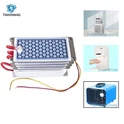
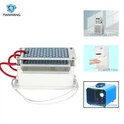
As a supplier of home ozone generators, I often get asked about the versatility and applicability of our products in various settings. One question that has come up recently is whether a home ozone generator can be used in a photography studio. In this blog post, I'll explore this topic in depth, examining the potential benefits, considerations, and best practices for using ozone generators in a photography studio environment.
Understanding Ozone Generators
Before delving into the specifics of using ozone generators in a photography studio, it's important to understand what ozone generators are and how they work. Ozone generators are devices that produce ozone, a highly reactive gas composed of three oxygen atoms (O3). Ozone is a powerful oxidizing agent that can break down and neutralize a wide range of pollutants, including odors, bacteria, viruses, and mold spores.
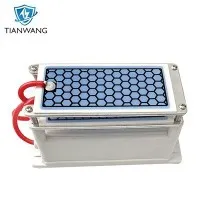
There are two main types of ozone generators: corona discharge and ultraviolet (UV) light. Corona discharge ozone generators use an electrical discharge to convert oxygen (O2) into ozone (O3). UV light ozone generators, on the other hand, use ultraviolet light to break apart oxygen molecules and create ozone.
Benefits of Using an Ozone Generator in a Photography Studio
There are several potential benefits to using an ozone generator in a photography studio:
Odor Elimination
Photography studios can accumulate a variety of odors over time, including the smell of chemicals from developing and printing processes, as well as the odor of equipment and materials. Ozone generators can effectively neutralize these odors by breaking down the odor-causing molecules at a molecular level. This can create a more pleasant and inviting environment for both photographers and clients.
Air Purification
In addition to eliminating odors, ozone generators can also help to purify the air in a photography studio. Ozone can kill bacteria, viruses, and mold spores, reducing the risk of airborne illnesses and allergies. This is especially important in a studio environment where photographers and clients may be spending long periods of time in close proximity to each other.
Equipment Preservation
Photography equipment can be sensitive to dust, dirt, and other contaminants. Ozone generators can help to keep the air in a studio clean and free of these contaminants, which can help to extend the lifespan of equipment and prevent damage.
Considerations When Using an Ozone Generator in a Photography Studio
While there are several potential benefits to using an ozone generator in a photography studio, there are also some important considerations to keep in mind:
Ozone Concentration
Ozone can be harmful to human health if inhaled in high concentrations. The Occupational Safety and Health Administration (OSHA) has set a permissible exposure limit (PEL) for ozone of 0.1 parts per million (ppm) over an 8-hour workday. It's important to use an ozone generator that is designed to produce ozone at a safe and effective concentration.
Ventilation
Proper ventilation is essential when using an ozone generator in a photography studio. Ozone should be allowed to dissipate into the atmosphere after it has done its job. This can be achieved by opening windows and doors or by using a ventilation system.
Photography Equipment
Some photography equipment, such as cameras, lenses, and light meters, may be sensitive to ozone. It's important to consult the manufacturer's specifications before using an ozone generator in close proximity to this equipment.
Occupancy
Ozone generators should not be used in a photography studio when people are present. Ozone can cause irritation to the eyes, nose, and throat, as well as respiratory problems. It's important to turn off the ozone generator and allow the ozone to dissipate before entering the studio.
Best Practices for Using an Ozone Generator in a Photography Studio
To ensure the safe and effective use of an ozone generator in a photography studio, it's important to follow these best practices:
Choose the Right Ozone Generator
There are a variety of ozone generators available on the market, each with its own features and capabilities. When choosing an ozone generator for a photography studio, it's important to consider the size of the studio, the level of contamination, and the specific needs of the studio. For smaller studios, a 5g Ozone generator may be sufficient. For larger studios or studios with a higher level of contamination, a 10g ozone generator Cleaner Ozonizer Odor Eliminator or a 20g Portable Ozone Generator Air Sterilizer may be more appropriate.
Follow the Manufacturer's Instructions
It's important to carefully read and follow the manufacturer's instructions when using an ozone generator. This includes setting the appropriate ozone output level, operating the generator for the recommended amount of time, and ensuring proper ventilation.
Use a Timer
To avoid overexposure to ozone, it's a good idea to use a timer to control the operation of the ozone generator. This can help to ensure that the generator is only running for the necessary amount of time.
Monitor Ozone Levels
It's important to monitor the ozone levels in a photography studio when using an ozone generator. Ozone monitors are available on the market that can measure the ozone concentration in the air. This can help to ensure that the ozone levels are within the safe and effective range.


Conclusion
In conclusion, a home ozone generator can be a useful tool for maintaining a clean, odor-free, and healthy environment in a photography studio. However, it's important to use an ozone generator safely and responsibly, following the manufacturer's instructions and taking the necessary precautions to protect the health of photographers and clients.
If you're interested in learning more about our ozone generators or have any questions about using an ozone generator in a photography studio, please don't hesitate to contact us. We'd be happy to help you find the right ozone generator for your needs and provide you with more information about how to use it safely and effectively.
References
- Occupational Safety and Health Administration (OSHA). Permissible Exposure Limits (PELs) for Air Contaminants. Retrieved from https://www.osha.gov/laws-regs/regulations/standardnumber/1910/1910.1000
- Environmental Protection Agency (EPA). Ozone Generators That Are Sold As Air Cleaners. Retrieved from https://www.epa.gov/indoor-air-quality-iaq/ozone-generators-are-sold-air-cleaners