Mold is a common and troublesome problem in many homes. It not only affects the aesthetic appearance of the living environment but also poses potential health risks to the inhabitants. As a supplier of home ozone machines, I often receive inquiries about whether our products can effectively remove mold. In this blog, I will delve into the science behind ozone and its potential in mold removal.
Understanding Ozone
Ozone (O₃) is a highly reactive gas composed of three oxygen atoms. It is a powerful oxidizing agent, which means it has the ability to react with and break down various substances. Ozone is naturally produced in the Earth's atmosphere through the action of sunlight on oxygen molecules. It is also used in various industrial and commercial applications, such as water treatment and air purification.
In the context of mold removal, ozone works by oxidizing the organic matter that makes up mold. When ozone comes into contact with mold spores and mycelium, it reacts with the carbon - carbon and carbon - hydrogen bonds in the mold's structure. This oxidation process breaks down the mold at a molecular level, effectively killing the mold and preventing its further growth.
How Home Ozone Machines Work
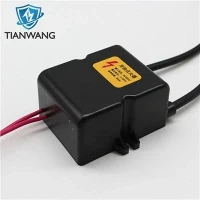
Home ozone machines are designed to generate ozone in a controlled environment. These machines typically use a corona discharge or ultraviolet light to convert oxygen (O₂) into ozone (O₃). Once generated, the ozone is released into the air, where it can spread throughout the room and come into contact with mold.
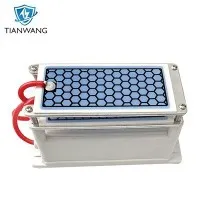
Our company offers a range of ozone generators, including the 5g Ozone generator, 10g ozone generator Cleaner Ozonizer Odor Eliminator, and 20g Portable Ozone Generator Air Sterilizer. These generators vary in their ozone output capacity, allowing customers to choose the one that best suits their needs based on the size of the area to be treated.
The Effectiveness of Ozone in Mold Removal
Numerous studies have shown that ozone can be effective in reducing mold levels in indoor environments. Ozone can penetrate porous materials such as walls, carpets, and furniture, reaching mold that may be hidden from view. It can also neutralize the musty odors associated with mold, leaving the air smelling fresh and clean.
However, it's important to note that ozone is not a one - size - fits - all solution for mold removal. The effectiveness of ozone in removing mold depends on several factors, including the concentration of ozone, the duration of exposure, and the type of mold.
- Concentration: Higher ozone concentrations generally lead to more effective mold removal. However, it's crucial to use ozone at safe levels. High concentrations of ozone can be harmful to humans and pets. Our ozone generators are designed to produce ozone within safe limits, and we provide detailed instructions on how to use them properly.
- Duration of exposure: Sufficient exposure time is necessary for ozone to effectively break down mold. The length of time required depends on the severity of the mold problem. In some cases, multiple treatment sessions may be needed to completely eliminate the mold.
- Type of mold: Different types of mold have different levels of resistance to ozone. Some molds may be more easily killed by ozone than others. For example, common household molds such as Aspergillus and Penicillium are generally more susceptible to ozone treatment.
Safety Considerations
While ozone can be an effective tool for mold removal, it is important to use it safely. Ozone is a toxic gas, and prolonged exposure to high levels of ozone can cause respiratory problems, eye irritation, and other health issues.
When using a home ozone machine, it is essential to follow the manufacturer's instructions carefully. The area being treated should be unoccupied during the ozone treatment process. After the treatment, the area should be well - ventilated to allow the ozone to dissipate before people and pets re - enter.
Real - World Applications
Many of our customers have reported positive results after using our ozone generators to treat mold problems in their homes. For example, a customer in a humid coastal area had a persistent mold problem in their basement. After using our 20g Portable Ozone Generator Air Sterilizer for several treatment sessions, the mold levels were significantly reduced, and the musty odor was eliminated.
Another customer in an old apartment with mold on the walls used our 10g ozone generator Cleaner Ozonizer Odor Eliminator. They found that the ozone treatment not only removed the visible mold but also improved the overall air quality in the apartment.
Conclusion
In conclusion, home ozone machines can be an effective tool for removing mold in indoor environments. Ozone's powerful oxidizing properties allow it to break down mold at a molecular level, eliminating both the mold and its associated odors. However, it is important to use ozone safely and to consider the specific factors that affect its effectiveness, such as concentration, exposure time, and the type of mold.
If you are dealing with a mold problem in your home, our range of ozone generators, including the 5g Ozone generator, 10g ozone generator Cleaner Ozonizer Odor Eliminator, and 20g Portable Ozone Generator Air Sterilizer, can provide a solution. We are committed to providing high - quality ozone generators that are safe and effective. If you are interested in purchasing our products or have any questions about mold removal, please feel free to contact us for a detailed discussion.


References
- "Ozone: Its Reactions with Inorganic and Organic Compounds in Water and Wastewater Treatment" by R. L. Jolley.
- "Mold Growth in Indoor Environments and Health" by the World Health Organization.
- "Air Quality and Ozone Exposure" research papers from the Environmental Protection Agency.