Hey there! As an ozone generator air supplier, I often get asked whether an ozone generator can be used in an antique store. It's a super interesting question, and today, I'm gonna break it down for you.
First off, let's talk about what an ozone generator does. Ozone (O₃) is a gas made up of three oxygen atoms. Ozone generators produce this gas, and it has some pretty nifty properties. One of the main things ozone is known for is its ability to clean the air. It can break down and neutralize odors, kill bacteria, viruses, and mold, and even get rid of some harmful chemicals in the air.
Now, let's think about an antique store. Antiques are precious, right? They've got history, value, and often, a certain charm that you just can't replicate. But antique stores can also face some common problems. For one, they might have musty odors, especially if the antiques have been stored in old attics or basements. There could also be the risk of mold growth, which can damage the antiques over time. And let's not forget about pests like dust mites and insects that might find their way into the store.
So, on the surface, an ozone generator seems like it could be a great solution for an antique store. It could freshen up the air, get rid of those musty smells, and help keep the antiques in good condition. But here's the thing: ozone can also be a bit of a double - edged sword.
Ozone is a powerful oxidizing agent. That means it can react with a lot of different substances. While this is great for cleaning the air, it can also cause problems for some antiques. For example, ozone can react with certain materials like rubber, plastics, and some types of fabrics. It can cause them to become brittle, crack, or change color over time. If you've got antique rubber gaskets, plastic figurines, or fabric - covered furniture in your store, an ozone generator could potentially damage them.
Another concern is the health of the people who work in the antique store. Ozone can be harmful to humans if inhaled in high concentrations. It can irritate the lungs, cause coughing, shortness of breath, and even more serious respiratory problems in the long run. So, if you're thinking of using an ozone generator in an antique store, you've got to make sure that the store is properly ventilated and that the ozone levels are kept within safe limits.
But don't worry, it's not all bad news. If used correctly, an ozone generator can still be a useful tool in an antique store. Here are some tips on how to use it safely:
1. Choose the right ozone generator
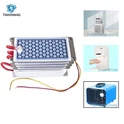
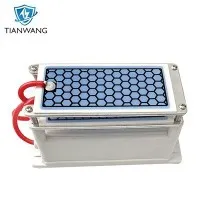
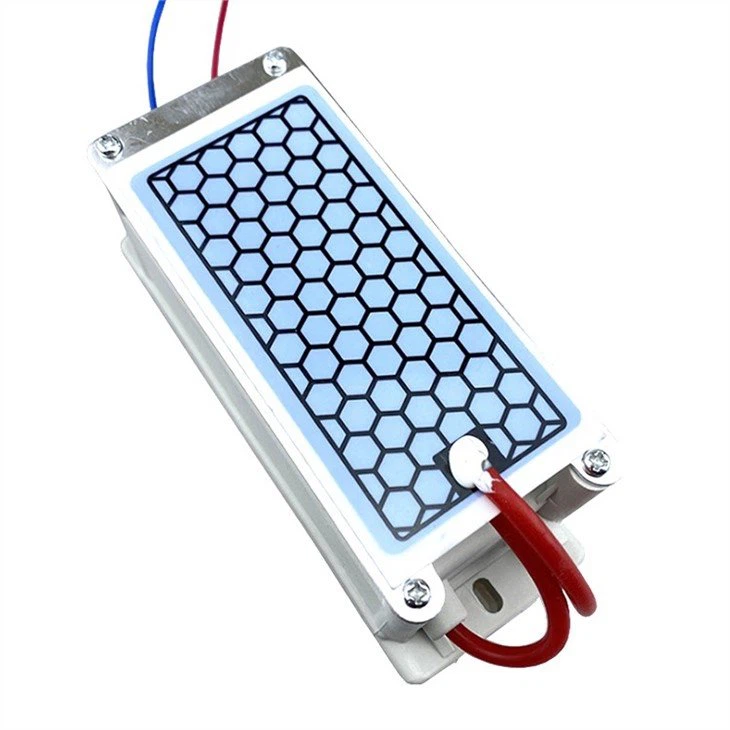
Not all ozone generators are created equal. You need to pick one that's suitable for the size of your antique store. If the store is small, a 5g Ozone generator might be enough. For a medium - sized store, a 10g ozone generator Cleaner Ozonizer Odor Eliminator could do the trick. And if you've got a large antique store, you might want to consider a 20g Portable Ozone Generator Air Sterilizer.
2. Use it when the store is closed
To avoid exposing your customers and employees to high levels of ozone, it's best to run the ozone generator when the store is not open. You can set it to run overnight or during off - peak hours. Make sure to ventilate the store thoroughly before opening it again to let the ozone dissipate.
3. Protect sensitive antiques
If you've got antiques that are known to be sensitive to ozone, like rubber or plastic items, you can cover them or store them in a separate, ozone - free area while the generator is running.
4. Monitor ozone levels
Invest in an ozone monitor to keep track of the ozone levels in your store. This way, you can make sure that the levels are within the safe range recommended by health authorities.
In conclusion, an ozone generator can be used in an antique store, but it has to be used with caution. It can help with air quality and odor control, but you've got to be aware of the potential risks to your antiques and the health of your staff and customers. If you're willing to take the necessary precautions, it could be a valuable addition to your antique store.

If you're interested in learning more about our ozone generators or are thinking about purchasing one for your antique store, I'd love to have a chat with you. Just reach out, and we can start a conversation about how we can meet your specific needs.
References
- U.S. Environmental Protection Agency. (2023). Ozone: Health and Environmental Effects.
- Occupational Safety and Health Administration. (2023). Ozone Exposure Limits.