As an ozone generator air supplier, I am frequently asked whether an ozone generator can be used in a warehouse. This question is crucial for many warehouse owners and managers who are looking for effective ways to improve air quality, eliminate odors, and prevent the growth of mold and bacteria. In this blog post, I will explore the feasibility of using ozone generators in warehouses, discuss the benefits and considerations, and provide some guidance on selecting the right ozone generator for your specific needs.


What is an Ozone Generator?
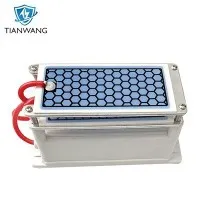
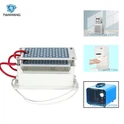
An ozone generator is a device that produces ozone (O3) by applying high voltage to oxygen molecules (O2). Ozone is a highly reactive gas with strong oxidizing properties, which makes it effective in destroying odors, bacteria, viruses, and mold. When ozone comes into contact with these contaminants, it breaks them down into smaller, less harmful molecules, effectively neutralizing them.
Benefits of Using an Ozone Generator in a Warehouse
1. Odor Elimination
Warehouses often accumulate unpleasant odors from various sources, such as stored goods, chemicals, or food products. Ozone generators can effectively eliminate these odors by oxidizing the odor-causing molecules. For example, if a warehouse stores seafood, the strong fishy smell can be quickly removed using an ozone generator. This creates a more pleasant working environment for employees and can also prevent the odors from spreading to other areas of the warehouse or nearby facilities.
2. Mold and Bacteria Control
Mold and bacteria can thrive in the damp and dark conditions often found in warehouses. These microorganisms not only pose a threat to the health of warehouse workers but can also damage stored goods. Ozone has powerful antimicrobial properties and can inhibit the growth of mold and bacteria. By using an ozone generator regularly, you can reduce the risk of mold infestations and keep your stored products safe from microbial damage.
3. Air Purification
Ozone generators can help to improve the overall air quality in a warehouse by removing airborne pollutants, dust, and allergens. This is particularly beneficial for workers who spend long hours in the warehouse, as it can reduce the risk of respiratory problems and allergies.
Considerations When Using an Ozone Generator in a Warehouse
1. Safety First
Ozone is a toxic gas, and exposure to high levels of ozone can be harmful to human health. It can cause irritation to the respiratory system, eyes, and throat, and in severe cases, it can lead to lung damage. Therefore, it is essential to follow strict safety guidelines when using an ozone generator in a warehouse.
- Occupancy: Ensure that the warehouse is unoccupied during the ozone treatment process. Ozone generators should be operated in an empty space, and workers should not enter until the ozone has decomposed to a safe level. This usually takes a few hours, depending on the size of the warehouse and the intensity of the ozone treatment.
- Ventilation: Proper ventilation is crucial after the ozone treatment. Open all doors and windows to allow fresh air to circulate and remove any remaining ozone. You can also use fans to enhance the ventilation process.
2. Warehouse Size and Ozone Output
The size of the warehouse is an important factor to consider when choosing an ozone generator. Larger warehouses require ozone generators with higher ozone output to ensure effective treatment. To determine the appropriate ozone output for your warehouse, you need to calculate the volume of the space.
For example, a small warehouse with a volume of 1000 cubic meters may require an ozone generator with an output of around 5 - 10 grams per hour. For larger warehouses, such as those with a volume of 5000 cubic meters or more, an ozone generator with an output of 20 grams per hour or higher may be necessary. Here are some suitable models for different warehouse sizes:
- For smaller warehouses or areas, you can consider the 5g Ozone generator. It is a compact and cost - effective option for treating relatively small spaces.
- The 10g ozone generator Cleaner Ozonizer Odor Eliminator is suitable for medium - sized warehouses. It offers a balanced ozone output to cover a wider area effectively.
- For large warehouses, the 20g Portable Ozone Generator Air Sterilizer is a great choice. Its high ozone output can quickly treat large volumes of air.
3. Compatibility with Stored Goods
Some stored goods may be sensitive to ozone. For example, certain types of plastics, rubber, and textiles can be damaged by prolonged exposure to ozone. Before using an ozone generator in a warehouse, it is important to check the compatibility of the stored goods with ozone. If there are any sensitive items, you may need to isolate them during the ozone treatment or adjust the ozone treatment parameters.
How to Choose the Right Ozone Generator for Your Warehouse
1. Ozone Output
As mentioned earlier, the ozone output of the generator should be sufficient to treat the volume of your warehouse. Consider the size of the warehouse, the level of contamination, and the frequency of ozone treatment when selecting the ozone output.
2. Type of Ozone Generator
There are two main types of ozone generators: corona discharge ozone generators and ultraviolet (UV) ozone generators.
- Corona discharge ozone generators: These are the most common type of ozone generators. They are more efficient and can produce higher levels of ozone. However, they require more power and may produce some nitrogen oxides as a by - product.
- UV ozone generators: These generators use ultraviolet light to produce ozone. They are relatively simple and quiet, but they have a lower ozone output compared to corona discharge ozone generators. They are more suitable for small - scale applications or areas where low ozone levels are sufficient.
3. Additional Features
Some ozone generators come with additional features such as timer settings, adjustable ozone output, and remote control. These features can make the operation of the ozone generator more convenient and flexible. For example, a timer setting allows you to schedule the ozone treatment at specific times, so you don't have to be present every time the generator operates.
Conclusion
In conclusion, an ozone generator can be a valuable tool for improving the air quality and eliminating odors in a warehouse. However, it is important to use it safely and correctly. By considering the safety guidelines, warehouse size, and compatibility with stored goods, you can choose the right ozone generator for your warehouse and enjoy the benefits it offers.
If you are interested in purchasing an ozone generator for your warehouse or have any questions about our products, please feel free to contact us for a detailed discussion. We are committed to providing you with the best solutions for your air purification needs.
References
- American Conference of Governmental Industrial Hygienists (ACGIH). (2022). TLVs and BEIs: Threshold Limit Values for Chemical Substances and Physical Agents and Biological Exposure Indices.
- Occupational Safety and Health Administration (OSHA). (2022). Ozone. Available from OSHA's official publications.
- National Institute for Occupational Safety and Health (NIOSH). (2022). Criteria for a Recommended Standard: Occupational Exposure to Ozone.