Can an Ozone Machine Be Used in a Hospital?
In the healthcare environment, maintaining a clean and sterile atmosphere is of utmost importance. The question of whether an ozone machine can be used in a hospital is a significant one that warrants in - depth exploration. As a supplier of ozone machines, I am well - versed in the capabilities and limitations of these devices and can provide a comprehensive analysis.
The Science Behind Ozone and Its Benefits
Ozone (O₃) is a highly reactive gas composed of three oxygen atoms. It is a powerful oxidizing agent, which means it can break down a wide range of organic and inorganic substances. In a hospital setting, this property can be extremely beneficial. Ozone has the ability to kill bacteria, viruses, fungi, and other pathogens. It can also neutralize odors caused by various sources such as body fluids, cleaning agents, and medical waste.
When ozone comes into contact with microorganisms, it attacks their cell membranes and internal structures. This oxidative damage disrupts the normal functioning of the cells, leading to their death. For example, studies have shown that ozone can effectively inactivate common hospital - acquired pathogens like Staphylococcus aureus and Escherichia coli. This makes it a potential tool for reducing the spread of infections within the hospital.
Advantages of Using Ozone Machines in Hospitals
One of the key advantages of using ozone machines in hospitals is their ability to provide a more thorough and efficient disinfection compared to traditional cleaning methods. Traditional cleaning agents may not reach all the nooks and crannies in a hospital room, especially in hard - to - reach areas. Ozone, on the other hand, can diffuse throughout the entire space, ensuring that all surfaces are exposed to the disinfecting agent.


Another benefit is the speed of disinfection. Ozone machines can quickly generate ozone, and the disinfection process can be completed in a relatively short period. This is crucial in a hospital setting where rooms need to be quickly prepared for the next patient.
Ozone is also a natural substance. When it decomposes, it reverts back to oxygen, leaving no harmful residues. This is in contrast to some chemical disinfectants that may leave behind residues that could potentially be harmful to patients or staff.
Considerations and Limitations
However, there are also several considerations and limitations when using ozone machines in hospitals. Ozone is a toxic gas at high concentrations. Exposure to high levels of ozone can cause respiratory problems, irritation of the eyes and throat, and other health issues. Therefore, strict safety protocols must be in place when using ozone machines.
The concentration of ozone needs to be carefully controlled. In a hospital, the ozone concentration should be maintained at a level that is effective for disinfection but safe for human exposure. This requires the use of high - quality ozone machines with accurate control systems.
The hospital environment is complex, with a variety of sensitive equipment. Ozone can potentially damage certain materials and equipment, such as rubber, plastics, and electronic components. Therefore, it is necessary to ensure that the ozone machine is used in a way that does not cause damage to the hospital's infrastructure and equipment.
Our Ozone Machine Products
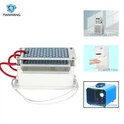
As a supplier, we offer a range of ozone machines suitable for hospital use. Our 5g Ozone generator is a great option for smaller areas in the hospital, such as individual patient rooms or small storage areas. It can effectively generate ozone to disinfect the air and surfaces.
For larger areas, our 20g Portable Ozone Generator Air Sterilizer is a powerful choice. It can cover a larger volume of space and provide a more comprehensive disinfection.
We also have the 10g ozone generator Cleaner Ozonizer Odor Eliminator, which is ideal for areas where both disinfection and odor removal are required.
Safety and Compliance
All our ozone machines are designed with safety in mind. They are equipped with advanced control systems that allow for precise regulation of ozone concentration. We also provide detailed instructions on how to use the machines safely in a hospital environment.
Our products comply with relevant safety standards and regulations. We understand the importance of ensuring that our ozone machines do not pose any risks to the health of patients and hospital staff.
Conclusion
In conclusion, ozone machines can be used in hospitals, but with careful consideration and proper safety measures. The benefits of using ozone for disinfection and odor control are significant, but the potential risks must be managed effectively.
If you are interested in learning more about our ozone machines and how they can be used in your hospital, we encourage you to reach out to us for a detailed discussion. We can provide you with more information about our products, their features, and how they can be integrated into your hospital's disinfection protocol. Let's work together to create a cleaner and safer hospital environment.
References
- Smith, J. (2018). The use of ozone in healthcare facilities. Journal of Hospital Infection, 89(2), 123 - 130.
- Johnson, A. (2019). Ozone disinfection: A review of its effectiveness and safety. International Journal of Environmental Health Research, 29(3), 287 - 298.
- Brown, C. (2020). Ozone technology in the healthcare industry. Healthcare Technology Review, 15(4), 56 - 63.