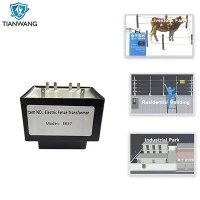
Hey there! As a supplier of high voltage coils, I've seen my fair share of common faults that can crop up with these important components. High voltage coils are used in a wide range of applications, from High Voltage High Frequency Electric Fence Transformer to 24V car high voltage ignition coil and Beauty Instrument Coil. Understanding these common faults is crucial for ensuring the proper functioning and longevity of these coils.
Insulation Breakdown
One of the most common faults in high voltage coils is insulation breakdown. The insulation in high voltage coils is designed to prevent the flow of electricity between the turns of the coil and to the surrounding environment. However, over time, the insulation can degrade due to factors such as heat, moisture, and electrical stress.
When the insulation breaks down, it can lead to short circuits, arcing, and even complete failure of the coil. This can be a serious problem, especially in applications where high voltage is involved. For example, in a high voltage electric fence transformer, insulation breakdown can cause the fence to stop working properly, leaving your property unprotected.
To prevent insulation breakdown, it's important to use high-quality insulation materials and to ensure that the coils are properly installed and maintained. Regular inspections and testing can also help to detect any signs of insulation degradation early on, allowing for timely repairs or replacements.
Overheating
Another common fault in high voltage coils is overheating. High voltage coils generate a significant amount of heat during operation, and if this heat is not properly dissipated, it can cause the coil to overheat. Overheating can lead to a number of problems, including reduced efficiency, shortened lifespan, and even fire hazards.
There are several factors that can contribute to overheating in high voltage coils. One of the most common is poor ventilation. If the coil is not properly ventilated, the heat generated during operation can build up and cause the temperature to rise. Another factor is overloading. If the coil is subjected to a higher load than it is designed to handle, it can overheat.
To prevent overheating, it's important to ensure that the coils are properly ventilated and that they are not overloaded. This may involve using cooling fans or heat sinks to dissipate the heat, as well as ensuring that the coils are sized correctly for the application.
Mechanical Damage
Mechanical damage is another common fault in high voltage coils. High voltage coils are often subjected to vibrations, shocks, and other mechanical stresses during operation, which can cause the coil to become damaged. Mechanical damage can include things like broken wires, loose connections, and damaged insulation.


Mechanical damage can be caused by a variety of factors, including improper installation, rough handling, and environmental factors such as earthquakes or extreme weather conditions. To prevent mechanical damage, it's important to ensure that the coils are properly installed and secured, and that they are protected from vibrations and shocks.
Electrical Arcing
Electrical arcing is a phenomenon that occurs when an electric current jumps across a gap in the insulation of a high voltage coil. Arcing can cause a number of problems, including damage to the insulation, overheating, and even fire hazards.
Arcing can be caused by a variety of factors, including high voltage, poor insulation, and contamination. To prevent electrical arcing, it's important to ensure that the coils are properly insulated and that they are free from contamination. Regular inspections and testing can also help to detect any signs of arcing early on, allowing for timely repairs or replacements.
Aging
Finally, aging is a natural process that can cause high voltage coils to degrade over time. As the coil ages, the insulation can become brittle and crack, the wires can become corroded, and the overall performance of the coil can decline.
To prevent the effects of aging, it's important to use high-quality materials and to ensure that the coils are properly maintained. Regular inspections and testing can also help to detect any signs of aging early on, allowing for timely repairs or replacements.
In conclusion, understanding the common faults of high voltage coils is crucial for ensuring the proper functioning and longevity of these important components. By taking steps to prevent insulation breakdown, overheating, mechanical damage, electrical arcing, and aging, you can help to ensure that your high voltage coils operate safely and efficiently.
If you're in the market for high voltage coils, I'd love to chat with you about your specific needs. Whether you're looking for a High Voltage High Frequency Electric Fence Transformer, a 24V car high voltage ignition coil, or a Beauty Instrument Coil, I can provide you with high-quality products and expert advice. So don't hesitate to reach out and start a conversation about your procurement needs.
References
- Electrical Engineering Handbook, Third Edition, edited by Richard C. Dorf
- High Voltage Engineering: Theory and Practice, by M. S. Naidu and V. Kamaraju