Can an ozone purifier be used in a greenhouse?
As a supplier of ozone purifiers, I've been frequently asked whether ozone purifiers can be used in greenhouses. The answer is yes, but with careful consideration of several factors. In this blog, I'll delve into the science behind using ozone purifiers in greenhouses, their benefits, potential drawbacks, and how to use them effectively.


The Science of Ozone in Greenhouses
Ozone (O₃) is a highly reactive gas composed of three oxygen atoms. It's a powerful oxidizing agent, which means it can break down and neutralize a wide range of organic and inorganic compounds. In a greenhouse environment, ozone can be used to control pests, diseases, and odors, as well as improve air quality.
When ozone is introduced into a greenhouse, it reacts with various substances in the air and on plant surfaces. For example, it can oxidize and destroy the cell membranes of bacteria, fungi, and viruses, effectively killing them. This makes ozone an effective tool for preventing and controlling plant diseases such as powdery mildew, botrytis, and downy mildew.
Ozone can also react with volatile organic compounds (VOCs) and other odorous substances, breaking them down into less harmful compounds. This helps to reduce unpleasant odors in the greenhouse, which can be a problem in some growing operations.
Benefits of Using Ozone Purifiers in Greenhouses
- Pest and Disease Control: As mentioned earlier, ozone can effectively kill bacteria, fungi, and viruses, reducing the incidence of plant diseases. It can also repel some pests, such as aphids and spider mites, by altering the chemical composition of the air and plant surfaces.
- Improved Air Quality: Ozone can remove harmful pollutants and odors from the air, creating a healthier environment for both plants and workers. This can lead to better plant growth and productivity, as well as improved worker comfort and safety.
- Reduced Chemical Use: By using ozone to control pests and diseases, growers can reduce their reliance on chemical pesticides and fungicides. This not only reduces the environmental impact of greenhouse operations but also helps to prevent the development of pesticide-resistant pests and diseases.
- Enhanced Plant Growth: Some studies have shown that exposure to low levels of ozone can stimulate plant growth and development. Ozone can increase the availability of nutrients in the soil, improve photosynthesis, and enhance the plant's immune system.
Potential Drawbacks of Using Ozone Purifiers in Greenhouses
- Plant Damage: While ozone can be beneficial for plants at low levels, high concentrations can cause damage to plant tissues. Symptoms of ozone damage include leaf discoloration, necrosis, and reduced growth. It's important to use ozone purifiers at the appropriate concentration and duration to avoid plant damage.
- Health Risks: Ozone is a toxic gas that can cause respiratory problems, eye irritation, and other health issues in humans and animals. It's important to follow safety guidelines when using ozone purifiers in greenhouses, such as wearing protective equipment and ensuring proper ventilation.
- Cost: Ozone purifiers can be expensive to purchase and operate, especially for large greenhouses. Growers need to consider the cost-benefit ratio before investing in an ozone purification system.
How to Use Ozone Purifiers in Greenhouses
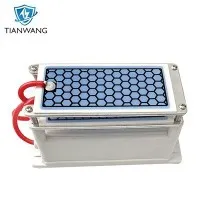
- Choose the Right Ozone Purifier: There are several types of ozone purifiers available on the market, each with its own features and capabilities. When choosing an ozone purifier for a greenhouse, it's important to consider the size of the greenhouse, the type of plants being grown, and the specific pest and disease problems you're trying to address. Some of our popular ozone purifiers for greenhouses include the 10g ozone generator Cleaner Ozonizer Odor Eliminator, the 5g Ozone generator, and the 20g Portable Ozone Generator Air Sterilizer.
- Determine the Appropriate Ozone Concentration: The optimal ozone concentration for a greenhouse depends on several factors, such as the type of plants being grown, the size of the greenhouse, and the specific pest and disease problems you're trying to address. It's important to follow the manufacturer's instructions and conduct regular ozone level monitoring to ensure that the ozone concentration is within the safe and effective range.
- Use Ozone Purifiers at the Right Time: Ozone purifiers should be used when the greenhouse is unoccupied, such as at night or during periods of low plant activity. This helps to minimize the risk of plant damage and health problems for workers. It's also important to allow sufficient time for the ozone to dissipate before re-entering the greenhouse.
- Ensure Proper Ventilation: Adequate ventilation is essential when using ozone purifiers in greenhouses. This helps to prevent the buildup of ozone to harmful levels and ensures that fresh air is circulated throughout the greenhouse. It's important to follow the manufacturer's instructions and install the ozone purifier in a well-ventilated area.
Conclusion
In conclusion, ozone purifiers can be a valuable tool for greenhouse growers, offering several benefits such as pest and disease control, improved air quality, reduced chemical use, and enhanced plant growth. However, it's important to use ozone purifiers carefully and follow safety guidelines to avoid plant damage and health risks. If you're considering using an ozone purifier in your greenhouse, I encourage you to contact us to learn more about our products and how they can help you achieve your growing goals. We're always happy to answer your questions and provide you with the information you need to make an informed decision.
References
- Krüger, A. P., & Kottenstette, R. J. (1977). Ozone: its generation, properties, and uses. Journal of the Air Pollution Control Association, 27(7), 623-636.
- Lefsrud, M., & Masson, L. (2008). Ozone applications in the food industry. Comprehensive reviews in food science and food safety, 7(3), 157-172.
- Zhang, Y., & Jiang, Y. (2016). Ozone treatment for postharvest disease control of fruits and vegetables: A review. Postharvest Biology and Technology, 117, 1-10.