Can an ozonizer machine be used in a theater? This is a question that many theater owners, managers, and enthusiasts often ask. As a supplier of ozonizer machines, I am well - versed in the capabilities and limitations of these devices, and I'd like to delve into this topic in detail.
Understanding Ozonizer Machines
Before we discuss the use of ozonizer machines in theaters, it's essential to understand what an ozonizer machine is and how it works. An ozonizer machine is a device that generates ozone (O₃), a highly reactive gas composed of three oxygen atoms. Ozone is a powerful oxidizing agent, which means it can break down and eliminate various pollutants, odors, and microorganisms in the air.
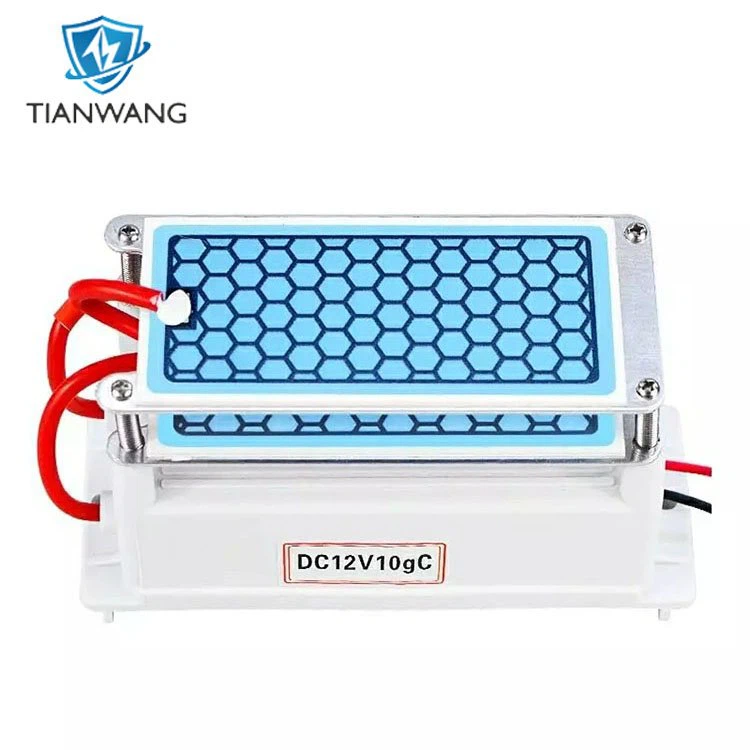
There are different types and models of ozonizer machines available in the market. For example, the 20g Ozone Air Purifier Generator Ozone Machine is a high - capacity device that can produce 20 grams of ozone per hour. This type of machine is suitable for larger spaces. On the other hand, the Ceramic Ozone Plate for Air Purifier Parts 5g is a component that can be used in smaller air purifying setups, capable of generating 5 grams of ozone per hour. And the 10g Car Ozone Generator is specifically designed for use in vehicles but can also be adapted for small - scale indoor applications.
Advantages of Using Ozonizer Machines in Theaters
Air Purification
Theaters are often crowded places where a large number of people gather. This can lead to the accumulation of various pollutants in the air, such as dust, pollen, and smoke. Ozone can effectively oxidize and break down these pollutants, improving the overall air quality in the theater. For example, it can react with volatile organic compounds (VOCs) emitted by people, cleaning products, and building materials, reducing their concentration in the air.
Odor Elimination
Theaters may have unpleasant odors from food, body odor, and other sources. Ozone is a powerful deodorizer. It can react with the odor - causing molecules, neutralizing them and leaving the air smelling fresh. This is particularly important in theaters where a pleasant atmosphere is crucial for the audience's experience.
Microorganism Control
The close proximity of people in a theater creates an environment where bacteria, viruses, and fungi can spread easily. Ozone has strong antimicrobial properties. It can destroy these microorganisms by oxidizing their cell membranes, reducing the risk of infections and diseases among the audience and staff.
Challenges and Considerations
Ozone Safety
While ozone has many benefits, it is also a toxic gas at high concentrations. Exposure to high levels of ozone can cause respiratory problems, such as coughing, shortness of breath, and irritation of the lungs. Therefore, when using an ozonizer machine in a theater, it is crucial to ensure that the ozone concentration is within the safe limits. The World Health Organization (WHO) recommends an ozone concentration of no more than 0.1 ppm (parts per million) for continuous exposure.
Occupancy
The theater should be unoccupied during the operation of the ozonizer machine. This is because the high - level ozone required for effective purification can be harmful to humans. After the ozonizer machine has completed its cycle, the theater should be well - ventilated to reduce the ozone concentration to a safe level before people enter.
Equipment Selection
Selecting the right ozonizer machine for a theater is crucial. The size of the theater, the number of seats, and the ventilation system all need to be considered. A machine with too low a capacity may not be effective in purifying the air, while a machine with too high a capacity may produce excessive ozone, posing a safety risk.
Best Practices for Using Ozonizer Machines in Theaters
Pre - operation Planning
Before using an ozonizer machine in a theater, a detailed plan should be developed. This includes determining the appropriate ozone concentration and the duration of operation based on the size and characteristics of the theater. The plan should also specify the time when the theater will be unoccupied for the ozone treatment and the ventilation process.
Monitoring
During the operation of the ozonizer machine, the ozone concentration should be continuously monitored using an ozone detector. This ensures that the ozone concentration remains within the safe limits. If the ozone concentration exceeds the safe level, the machine should be immediately turned off, and the theater should be ventilated.
Ventilation
Proper ventilation is essential after the ozonizer machine has completed its operation. The theater should be opened to the outside air, and fans can be used to speed up the ventilation process. This helps to reduce the ozone concentration to a safe level as quickly as possible.

Conclusion
In conclusion, an ozonizer machine can be used in a theater, but it requires careful consideration and proper management. The benefits of air purification, odor elimination, and microorganism control are significant, but the safety of the audience and staff must be the top priority. By selecting the right ozonizer machine, following the best practices, and ensuring proper ventilation, theaters can enjoy the advantages of ozone technology while maintaining a safe environment.
If you are a theater owner or manager interested in using an ozonizer machine to improve the air quality in your theater, I encourage you to contact us for more information and to discuss your specific needs. We can provide you with the right ozonizer machine and offer professional advice on its use and maintenance.
References
- World Health Organization. (2006). Air quality guidelines for Europe (2nd ed.). Copenhagen: WHO Regional Office for Europe.
- National Institute for Occupational Safety and Health (NIOSH). (2016). Criteria for a recommended standard: occupational exposure to ozone. Cincinnati, OH: NIOSH.