As a supplier of ozone equipment, I often receive inquiries from customers about the suitability of using ozone equipment in humid environments. This is a crucial question, as humidity can significantly impact the performance and lifespan of ozone generators. In this blog post, I will delve into the science behind ozone generation, explore how humidity affects ozone equipment, and provide practical advice on using ozone equipment in humid conditions.
Understanding Ozone Generation
Ozone (O₃) is a highly reactive gas composed of three oxygen atoms. It is a powerful oxidizing agent that can effectively eliminate odors, kill bacteria, viruses, and mold, and purify the air. Ozone generators produce ozone through a process called corona discharge or ultraviolet (UV) radiation.
In corona discharge ozone generators, high-voltage electricity is passed through a dielectric material, creating a corona discharge that splits oxygen molecules (O₂) into individual oxygen atoms. These atoms then combine with other oxygen molecules to form ozone. UV ozone generators use ultraviolet light to break apart oxygen molecules and create ozone.
The Impact of Humidity on Ozone Equipment
Humidity refers to the amount of water vapor present in the air. High humidity levels can have several effects on ozone equipment:
Reduced Ozone Production
Water vapor in the air can react with ozone, converting it back into oxygen. This reaction reduces the amount of ozone available for purification and odor elimination. As a result, ozone generators may produce less ozone in humid environments, leading to decreased effectiveness.
Corrosion and Damage
Humidity can also cause corrosion and damage to ozone equipment. Water vapor can condense on the internal components of the ozone generator, such as electrodes and wiring, leading to rust and electrical shorts. This can reduce the lifespan of the equipment and increase the risk of malfunctions.
Increased Energy Consumption
In humid environments, ozone generators may need to work harder to produce the same amount of ozone. This increased workload can lead to higher energy consumption, resulting in increased operating costs.
Using Ozone Equipment in Humid Environments
Despite the challenges posed by humidity, ozone equipment can still be used effectively in humid environments with proper precautions. Here are some tips to help you use ozone equipment in humid conditions:
Choose the Right Ozone Generator
When selecting an ozone generator for use in a humid environment, it is important to choose a model that is designed to handle high humidity levels. Look for ozone generators that are made with corrosion-resistant materials and have a built-in dehumidification function.
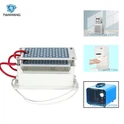
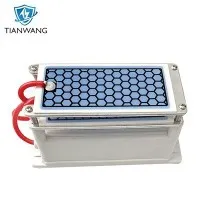
For example, our 10g ozone generator Cleaner Ozonizer Odor Eliminator is designed to operate in a wide range of humidity levels, making it suitable for use in humid environments. It features a corrosion-resistant stainless steel housing and a built-in dehumidification function to help reduce the impact of humidity on ozone production.
Monitor Humidity Levels
Regularly monitor the humidity levels in the area where the ozone generator is being used. Use a hygrometer to measure the relative humidity and adjust the settings of the ozone generator accordingly. If the humidity levels are too high, consider using a dehumidifier to reduce the moisture in the air.


Proper Ventilation
Ensure that the area where the ozone generator is being used is well-ventilated. Proper ventilation helps to remove excess moisture from the air and prevent the buildup of ozone. Open windows and doors or use fans to circulate the air.
Regular Maintenance
Perform regular maintenance on the ozone generator to ensure its optimal performance. Clean the internal components of the ozone generator regularly to remove any dirt, dust, or moisture. Check the electrodes and wiring for signs of corrosion or damage and replace them if necessary.
Case Studies
To illustrate the effectiveness of using ozone equipment in humid environments, let's look at a few case studies:
Case Study 1: A Basement in a Humid Climate
A homeowner in a humid climate was experiencing musty odors and mold growth in their basement. They installed a 5g Ozone generator in the basement and set it to run for a few hours each day. After a few weeks, the musty odors were eliminated, and the mold growth was significantly reduced. The homeowner also noticed that the air in the basement felt fresher and cleaner.
Case Study 2: A Commercial Kitchen
A commercial kitchen was experiencing strong odors and bacteria growth due to the high humidity levels. The kitchen manager installed a 20g Portable Ozone Generator Air Sterilizer in the kitchen and set it to run continuously. Within a few days, the odors were eliminated, and the bacteria levels were significantly reduced. The kitchen staff also reported that the air in the kitchen felt fresher and cleaner.
Conclusion
In conclusion, ozone equipment can be used in humid environments with proper precautions. By choosing the right ozone generator, monitoring humidity levels, ensuring proper ventilation, and performing regular maintenance, you can effectively use ozone equipment to eliminate odors, kill bacteria, and purify the air in humid conditions.
If you are interested in learning more about our ozone equipment or have any questions about using ozone equipment in humid environments, please contact us. We would be happy to discuss your specific needs and provide you with a customized solution.
References
- "Ozone Generation and Applications." Air Quality Engineering.
- "The Effects of Humidity on Ozone Production." Journal of Environmental Science and Technology.
- "Using Ozone to Control Odors and Improve Air Quality in Humid Environments." Indoor Air Quality Association.