Alright folks, today we're diving deep into a question that's been on a lot of people's minds: Do home air purifiers remove bacteria? As a supplier of home air purifiers, I've heard this question countless times, and it's high time we got to the bottom of it.
First things first, let's talk about what bacteria are and why they're a concern in our homes. Bacteria are tiny living organisms that can be found everywhere, including in the air we breathe. Some bacteria are harmless, but others can cause all sorts of problems, from minor respiratory issues to more serious illnesses. When we're cooped up inside our homes, especially during the colder months or when we're dealing with a pandemic, the concentration of bacteria in the air can increase, and that's where air purifiers come in.
So, do home air purifiers actually remove bacteria? The short answer is yes, but it depends on the type of air purifier you're using. There are several different types of air purifiers on the market, each with its own way of cleaning the air.
HEPA Filters
One of the most common types of air purifiers uses HEPA (High-Efficiency Particulate Air) filters. These filters are designed to trap tiny particles, including bacteria, as the air passes through them. HEPA filters are really good at what they do. They can capture particles as small as 0.3 microns with an efficiency of 99.97%. Most bacteria range in size from about 0.5 to 5 microns, so a HEPA filter should be able to trap a significant amount of them.
However, it's important to note that HEPA filters don't actually kill the bacteria. They just trap them. So, if the filter isn't changed regularly, the bacteria could potentially grow and spread again. That's why it's crucial to follow the manufacturer's recommendations for filter replacement.
UV-C Lights
Another type of air purifier that claims to remove bacteria uses UV-C lights. UV-C light is a type of ultraviolet light that has been shown to kill bacteria and other microorganisms by damaging their DNA. When the air passes through the purifier, the UV-C light shines on the bacteria, effectively neutralizing them.
The effectiveness of UV-C lights depends on a few factors, such as the intensity of the light, the exposure time, and the type of bacteria. Some studies have shown that UV-C light can be very effective at killing bacteria, but it's not a one-size-fits-all solution. And just like with HEPA filters, proper maintenance is key to ensure that the UV-C light is working properly.


Ozone Generators
Now, let's talk about ozone generators. Ozone is a gas that can be very effective at killing bacteria and other pollutants in the air. When ozone comes into contact with bacteria, it reacts with them and breaks down their cell walls, effectively killing them.
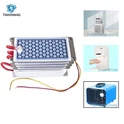
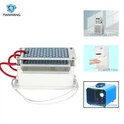
I've got some great ozone generators in my product lineup. For example, the 5g Ozone generator is a great choice for small to medium-sized rooms. It produces just the right amount of ozone to sterilize the air without creating an unhealthy environment.
If you've got a larger space, like a living room or a small office, the 20g Portable Ozone Generator Air Sterilizer might be more up your alley. It's more powerful and can cover a larger area.
And for those who are always on the go or need a portable solution, the 10g ozone generator Cleaner Ozonizer Odor Eliminator is perfect. You can take it with you wherever you need to purify the air.
But here's the catch with ozone generators: ozone can be harmful to humans if the concentration is too high. That's why it's important to use them properly and follow the manufacturer's instructions. Usually, you'll need to leave the room while the ozone generator is running and wait for the ozone to dissipate before going back in.
Ionizers
Ionizers are another type of air purifier that can help remove bacteria. Ionizers work by releasing negatively charged ions into the air. These ions attach themselves to the bacteria and other particles in the air, causing them to become heavier and fall to the ground or stick to surfaces.
While ionizers can be effective at removing bacteria from the air, they also have some drawbacks. For one, they don't actually kill the bacteria. And if the particles that are removed from the air aren't cleaned up properly, they can just become airborne again.
So, What's the Best Option?
The best option for removing bacteria from your home really depends on your specific needs and circumstances. If you're looking for a simple and reliable solution, a HEPA filter air purifier is a great choice. It's easy to use and maintain, and it can effectively trap a lot of bacteria.
If you're dealing with a particularly stubborn bacteria problem or you want to take an extra step in disinfecting your air, a UV-C light or an ozone generator might be worth considering. Just make sure you use them safely and follow the instructions.
Ionizers can be a good addition to your air purification system, but they shouldn't be your only line of defense against bacteria.
Conclusion
In conclusion, home air purifiers can definitely remove bacteria, but the effectiveness depends on the type of purifier you're using. As a home air purifier supplier, I've seen firsthand the benefits that these devices can bring to people's lives. They can help improve indoor air quality, reduce the risk of illness, and make your home a more comfortable and healthy place to live.
If you're interested in learning more about our air purifiers or you want to discuss which one might be right for you, don't hesitate to reach out. We're here to help you make the best decision for your home and your health. Whether you're dealing with a small bedroom or a large commercial space, we've got the solution for you. Let's start a conversation about how we can help you get the clean, fresh air you deserve.
References
- "Air Purifiers and Cleaners." U.S. Environmental Protection Agency.
- "The Effectiveness of Air Purifiers in Removing Indoor Air Pollutants." Journal of Indoor Air Quality Research.
- "UV-C Light for Disinfection: A Review." Applied and Environmental Microbiology.