Volatile organic compounds (VOCs) are a group of chemicals that can have harmful effects on human health. They are emitted from a wide range of sources, including paints, cleaning products, furniture, and building materials. In recent years, there has been a growing concern about the presence of VOCs in indoor air, and many people are turning to home air purifiers as a solution. As a home air purifier supplier, I often get asked whether our products can effectively remove VOCs. In this blog post, I will explore this question in detail and provide you with the information you need to make an informed decision.
What are Volatile Organic Compounds (VOCs)?
VOCs are organic chemicals that have a high vapor pressure at room temperature. This means that they can easily evaporate into the air and be inhaled. Some common examples of VOCs include benzene, toluene, ethylbenzene, and xylene (collectively known as BTEX), formaldehyde, and acetone. These chemicals can be found in many household products, such as paints, varnishes, adhesives, and cleaning agents.
Exposure to VOCs can cause a variety of health problems, including headaches, dizziness, nausea, eye, nose, and throat irritation, and in some cases, more serious health issues such as damage to the liver, kidneys, and central nervous system. Long-term exposure to high levels of VOCs has also been linked to an increased risk of cancer.
How Do Home Air Purifiers Work?
Home air purifiers work by removing pollutants from the air. There are several different types of air purifiers available on the market, each using a different technology to clean the air. The most common types of air purifiers include:
- Mechanical Filters: These air purifiers use a physical filter to trap particles such as dust, pollen, and pet dander. The most common type of mechanical filter is a HEPA (High-Efficiency Particulate Air) filter, which can remove up to 99.97% of particles as small as 0.3 microns.
- Activated Carbon Filters: Activated carbon filters are designed to adsorb (not absorb) gases and odors, including VOCs. The activated carbon has a large surface area with many tiny pores that can trap and hold onto VOC molecules.
- Ionizers: Ionizers work by releasing negatively charged ions into the air. These ions attach to positively charged particles such as dust, pollen, and smoke, causing them to clump together and fall out of the air.
- Ozone Generators: Ozone generators produce ozone, a highly reactive gas that can oxidize and break down VOCs and other pollutants. However, ozone can also be harmful to human health, especially at high concentrations.
Can Home Air Purifiers Remove VOCs Effectively?
The effectiveness of a home air purifier in removing VOCs depends on several factors, including the type of air purifier, the concentration of VOCs in the air, and the size of the room.
- Activated Carbon Filters: Activated carbon filters are generally considered to be the most effective type of air purifier for removing VOCs. The activated carbon has a high affinity for many VOCs, and it can adsorb them onto its surface. However, the effectiveness of an activated carbon filter depends on the amount of carbon used, the quality of the carbon, and the contact time between the air and the carbon. A high-quality activated carbon filter with a large amount of carbon and a long contact time is more likely to be effective in removing VOCs.
- Mechanical Filters: Mechanical filters, such as HEPA filters, are not effective in removing VOCs because VOCs are in gaseous form and can pass through the filter. However, some air purifiers combine a HEPA filter with an activated carbon filter to provide both particle and gas filtration.
- Ionizers: Ionizers are not effective in removing VOCs because they only work on particles, not gases.
- Ozone Generators: Ozone generators can be effective in removing VOCs by oxidizing them. However, ozone is a toxic gas that can cause respiratory problems, especially for people with asthma or other respiratory conditions. The Environmental Protection Agency (EPA) does not recommend using ozone generators in occupied spaces.
Our Home Air Purifiers and VOC Removal
As a home air purifier supplier, we offer a range of air purifiers that are designed to remove VOCs effectively. Our air purifiers use a combination of activated carbon filters and HEPA filters to provide both particle and gas filtration.
- High-Quality Activated Carbon Filters: Our air purifiers are equipped with high-quality activated carbon filters that have a large amount of carbon and a long contact time. This allows them to adsorb a wide range of VOCs, including benzene, toluene, ethylbenzene, and xylene (BTEX), formaldehyde, and acetone.
- HEPA Filters: Our air purifiers also include HEPA filters that can remove up to 99.97% of particles as small as 0.3 microns. This helps to remove dust, pollen, pet dander, and other particles from the air, improving the overall air quality.
- Multiple Filtration Stages: Some of our air purifiers have multiple filtration stages, including pre-filters, activated carbon filters, and HEPA filters. This provides a more comprehensive approach to air purification, ensuring that both particles and gases are removed from the air.
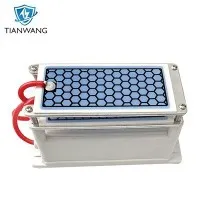
In addition to our standard air purifiers, we also offer ozone generators for specific applications. Our 5g Ozone generator, 20g Portable Ozone Generator Air Sterilizer, and 10g ozone generator Cleaner Ozonizer Odor Eliminator are designed to be used in unoccupied spaces to oxidize and break down VOCs and other pollutants. However, we always recommend following the manufacturer's instructions and taking appropriate safety precautions when using ozone generators.


Choosing the Right Air Purifier for VOC Removal
When choosing an air purifier for VOC removal, there are several factors to consider:
- Room Size: The size of the room where you will be using the air purifier is an important factor to consider. You need to choose an air purifier that is rated for the size of the room. A larger room will require a more powerful air purifier.
- VOC Concentration: If you have a high concentration of VOCs in your home, you may need a more powerful air purifier with a larger amount of activated carbon.
- Filter Replacement: The cost and frequency of filter replacement are also important factors to consider. Some air purifiers have filters that need to be replaced more frequently than others, which can add to the overall cost of using the air purifier.
- Noise Level: If you plan to use the air purifier in a bedroom or other quiet area, you may want to choose an air purifier that operates quietly.
Conclusion
In conclusion, home air purifiers can be effective in removing VOCs, especially those equipped with activated carbon filters. Our home air purifiers are designed to provide both particle and gas filtration, using a combination of high-quality activated carbon filters and HEPA filters. However, it's important to choose the right air purifier for your needs, considering factors such as room size, VOC concentration, filter replacement, and noise level.
If you are interested in learning more about our home air purifiers or have any questions about VOC removal, please feel free to contact us for a detailed discussion on your specific requirements and how our products can meet them. We are here to help you create a healthier and cleaner indoor environment.
References
- U.S. Environmental Protection Agency (EPA). "Volatile Organic Compounds' Impact on Indoor Air Quality."
- American Lung Association. "Indoor Air Pollution: Volatile Organic Compounds (VOCs)."
- World Health Organization (WHO). "Guidelines for Indoor Air Quality: Selected Pollutants."