As a supplier of ozone equipment, I am often asked whether ozone equipment requires special installation. This is a crucial question for both consumers and businesses looking to utilize ozone technology for various applications, such as air purification, water treatment, and odor elimination. In this blog post, I will delve into the factors that determine whether special installation is needed for ozone equipment and provide insights to help you make an informed decision.
Understanding Ozone Equipment
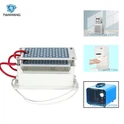
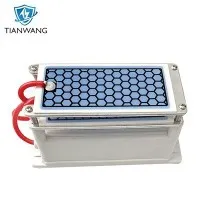
Before discussing installation requirements, it's important to understand what ozone equipment is and how it works. Ozone generators are devices that produce ozone (O₃), a highly reactive gas with powerful oxidizing properties. Ozone can break down organic compounds, neutralize odors, and kill bacteria, viruses, and other microorganisms. There are different types of ozone generators available on the market, including 5g Ozone generator, 10g ozone generator Cleaner Ozonizer Odor Eliminator, and 20g Portable Ozone Generator Air Sterilizer, each with varying ozone output capacities to suit different needs.
Factors Influencing Installation Requirements
1. Type of Ozone Generator
- Portable Ozone Generators: These are typically designed for small - scale applications, such as home use or small offices. Portable ozone generators are usually plug - and - play devices that do not require special installation. They can be simply placed in the desired location and plugged into a standard electrical outlet. For example, our 5g Ozone generator is a portable unit that can be easily moved from one room to another for targeted odor elimination and air purification.
- Industrial Ozone Generators: Industrial ozone generators are much larger and more powerful, designed for large - scale applications such as water treatment plants, industrial facilities, and commercial buildings. These generators often require special installation due to their size, power requirements, and the need for proper ventilation and safety measures. They may need to be installed by trained technicians and connected to dedicated electrical systems and plumbing.
2. Application and Location
- Indoor Use: When using ozone equipment indoors, proper ventilation is essential to prevent the accumulation of ozone to dangerous levels. For small - scale indoor applications, portable ozone generators can be used with the windows or doors slightly open to allow fresh air circulation. However, in larger indoor spaces or areas with poor ventilation, additional ventilation systems may need to be installed. For instance, in a closed - off storage room, a 10g ozone generator Cleaner Ozonizer Odor Eliminator may require the use of an exhaust fan to ensure safe ozone levels.
- Outdoor Use: Outdoor ozone equipment generally has fewer installation requirements. However, it still needs to be protected from the elements and installed on a stable surface. For example, an ozone generator used for water treatment in a pond or a swimming pool may need to be placed in a weather - proof enclosure and connected to the appropriate water intake and output pipes.
3. Safety Considerations
- Ozone Concentration: Ozone is a toxic gas at high concentrations. Therefore, it is crucial to ensure that the ozone equipment is installed in a way that allows for proper dispersion and dilution of ozone. This may involve installing the generator at a certain height or using ductwork to direct the ozone to the desired area.
- Electrical Safety: All ozone generators require a power source. For larger generators, proper electrical wiring and grounding are necessary to prevent electrical hazards. In some cases, a dedicated electrical circuit may be required to ensure stable power supply.
Special Installation Requirements
1. Ventilation Systems
As mentioned earlier, ventilation is a key factor in ozone equipment installation. For industrial or large - scale indoor applications, a professional ventilation system may need to be installed. This can include exhaust fans, air ducts, and air handling units. The ventilation system should be designed to remove excess ozone from the area and maintain safe ozone levels.
2. Plumbing and Water Connections
If the ozone equipment is used for water treatment, proper plumbing connections are required. This may involve installing pipes, valves, and fittings to connect the ozone generator to the water source and the treatment system. The plumbing should be leak - proof and able to handle the flow rate and pressure requirements of the ozone generator.
3. Mounting and Support
Larger ozone generators may need to be mounted on a sturdy frame or platform. This ensures stability and prevents vibration - related issues. The mounting location should be easily accessible for maintenance and inspection.
Installation Process
The installation process for ozone equipment can vary depending on the type and complexity of the equipment. For portable ozone generators, the installation is usually straightforward:
- Choose a suitable location with proper ventilation.
- Plug the generator into a standard electrical outlet.
- Turn on the generator and set the desired ozone output level.
For industrial ozone generators, the installation process is more involved:
- Site Preparation: The installation site needs to be prepared, including ensuring a level surface, proper electrical supply, and ventilation.
- Equipment Assembly: The ozone generator components are assembled according to the manufacturer's instructions.
- Plumbing and Electrical Connections: The generator is connected to the water and electrical systems.
- Testing and Commissioning: After installation, the ozone generator is tested to ensure proper operation and safe ozone levels.
Conclusion
In conclusion, whether ozone equipment requires special installation depends on several factors, including the type of generator, the application, and the location. Portable ozone generators generally do not require special installation and can be easily used in a variety of settings. However, industrial ozone generators often require professional installation to ensure safety and proper operation.


If you are considering purchasing ozone equipment for your home, office, or industrial facility, it is important to consult with a professional to determine the appropriate installation requirements. Our company offers a wide range of ozone equipment, including 5g Ozone generator, 10g ozone generator Cleaner Ozonizer Odor Eliminator, and 20g Portable Ozone Generator Air Sterilizer. We are here to help you choose the right equipment and provide guidance on installation. If you have any questions or would like to discuss your specific needs, please feel free to reach out to us for a procurement consultation.
References
- Ozone Generators in the Indoor Environment: Assessment of Effectiveness and Health Consequences. U.S. Environmental Protection Agency.
- Ozone Technology Handbook. Springer.