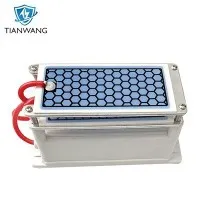
Installing a home ozone generator can be a relatively straightforward process if you follow the right steps. As a supplier of home ozone generators, I'm here to guide you through the installation process, ensuring that you can enjoy the benefits of cleaner air and a fresher living environment.
Why Install a Home Ozone Generator?
Before we dive into the installation process, let's briefly discuss why you might want to install a home ozone generator. Ozone generators are designed to produce ozone, a powerful oxidizing agent that can help eliminate odors, kill bacteria and viruses, and purify the air in your home. They can be particularly useful in areas prone to unpleasant smells, such as kitchens, bathrooms, and basements, or in homes with smokers or pets.
Choosing the Right Ozone Generator
The first step in installing a home ozone generator is choosing the right one for your needs. There are several factors to consider when selecting an ozone generator, including the size of the area you want to treat, the level of ozone output you need, and any additional features or functions you may require.
- Size of the Area: The size of the area you want to treat will determine the size and capacity of the ozone generator you need. As a general rule, you'll need about 1-2 grams of ozone per 1000 cubic feet of space for light odor removal, and 3-5 grams per 1000 cubic feet for more severe odor problems.
- Ozone Output: The ozone output of a generator is measured in grams per hour (g/h). Higher ozone output means faster odor removal and air purification, but it also means a higher risk of ozone overexposure. Make sure to choose a generator with an ozone output that is appropriate for the size of the area you want to treat.
- Additional Features: Some ozone generators come with additional features and functions, such as timers, adjustable ozone output, and remote control. These features can make the generator more convenient and easier to use, but they may also increase the cost.
As a supplier, I recommend our 20g Portable Ozone Generator Air Sterilizer for larger areas or more severe odor problems, and our 10g ozone generator Cleaner Ozonizer Odor Eliminator or 5g Ozone generator for smaller areas or lighter odor removal.
Installation Steps
Once you've chosen the right ozone generator for your needs, it's time to install it in your home. Here are the general steps to follow:
Step 1: Choose the Right Location
The first step in installing your ozone generator is choosing the right location. The generator should be placed in a well-ventilated area, away from direct sunlight, heat sources, and moisture. It should also be placed on a stable surface, at least 2-3 feet above the ground, to prevent it from getting wet or damaged.


Step 2: Read the User Manual
Before you start installing your ozone generator, it's important to read the user manual carefully. The user manual will provide you with specific instructions on how to install, operate, and maintain your generator, as well as important safety information.
Step 3: Connect the Power Cord
Once you've chosen the right location and read the user manual, it's time to connect the power cord to your ozone generator. Make sure to use a grounded electrical outlet that is rated for the voltage and amperage of your generator. If you're using an extension cord, make sure it is also grounded and rated for the appropriate voltage and amperage.
Step 4: Set the Timer (if applicable)
Many ozone generators come with a timer function that allows you to set the duration of the ozone treatment. This can be useful if you want to run the generator for a specific period of time, or if you want to avoid overexposure to ozone. To set the timer, simply follow the instructions in the user manual.
Step 5: Turn on the Generator
Once you've connected the power cord and set the timer (if applicable), it's time to turn on the generator. Simply press the power button on the generator to start the ozone production. You may notice a slight ozone smell in the air, which is normal and indicates that the generator is working properly.
Step 6: Monitor the Ozone Levels
It's important to monitor the ozone levels in your home while the generator is running to ensure that you're not overexposing yourself or your family to ozone. Ozone can be harmful to humans and animals if inhaled in high concentrations for an extended period of time. Most ozone generators come with a built-in ozone sensor that will automatically shut off the generator if the ozone levels exceed a safe limit. If your generator does not have a built-in ozone sensor, you can use an ozone meter to monitor the ozone levels in your home.
Step 7: Ventilate the Area
After the ozone treatment is complete, it's important to ventilate the area to remove any remaining ozone. Open the windows and doors to allow fresh air to circulate in the room, and run a fan to help speed up the ventilation process. It's recommended to wait at least 30 minutes to an hour after the ozone treatment is complete before re-entering the room.
Safety Precautions
While ozone generators can be a useful tool for air purification and odor removal, it's important to use them safely to avoid any potential health risks. Here are some safety precautions to keep in mind:
- Read the User Manual: Before using your ozone generator, make sure to read the user manual carefully and follow all the instructions and safety warnings.
- Keep Children and Pets Away: Ozone can be harmful to humans and animals if inhaled in high concentrations for an extended period of time. Make sure to keep children and pets away from the area while the generator is running, and do not allow them to enter the room until the ozone levels have returned to a safe level.
- Use in Well-Ventilated Areas: Ozone generators should only be used in well-ventilated areas to prevent the accumulation of ozone. Make sure to open the windows and doors to allow fresh air to circulate in the room, and run a fan to help speed up the ventilation process.
- Do Not Overuse: Overusing an ozone generator can lead to ozone overexposure, which can cause respiratory problems, headaches, and other health issues. Make sure to follow the manufacturer's instructions on how often to use the generator, and do not run it for longer than recommended.
- Monitor the Ozone Levels: It's important to monitor the ozone levels in your home while the generator is running to ensure that you're not overexposing yourself or your family to ozone. Most ozone generators come with a built-in ozone sensor that will automatically shut off the generator if the ozone levels exceed a safe limit. If your generator does not have a built-in ozone sensor, you can use an ozone meter to monitor the ozone levels in your home.
How to Contact Us for Purchase and Negotiation
If you're interested in purchasing a home ozone generator or have any questions about our products, please feel free to get in touch with us. Our team of experts is always ready to help you find the right solution for your needs and provide you with the best possible service. We look forward to discussing your requirements and assisting you in making the right choice for your home.
References
- "Ozone Generators That Are Sold As Air Cleaners." U.S. Environmental Protection Agency.
- "Ozone Exposure and Health Effects." National Institute of Environmental Health Sciences.